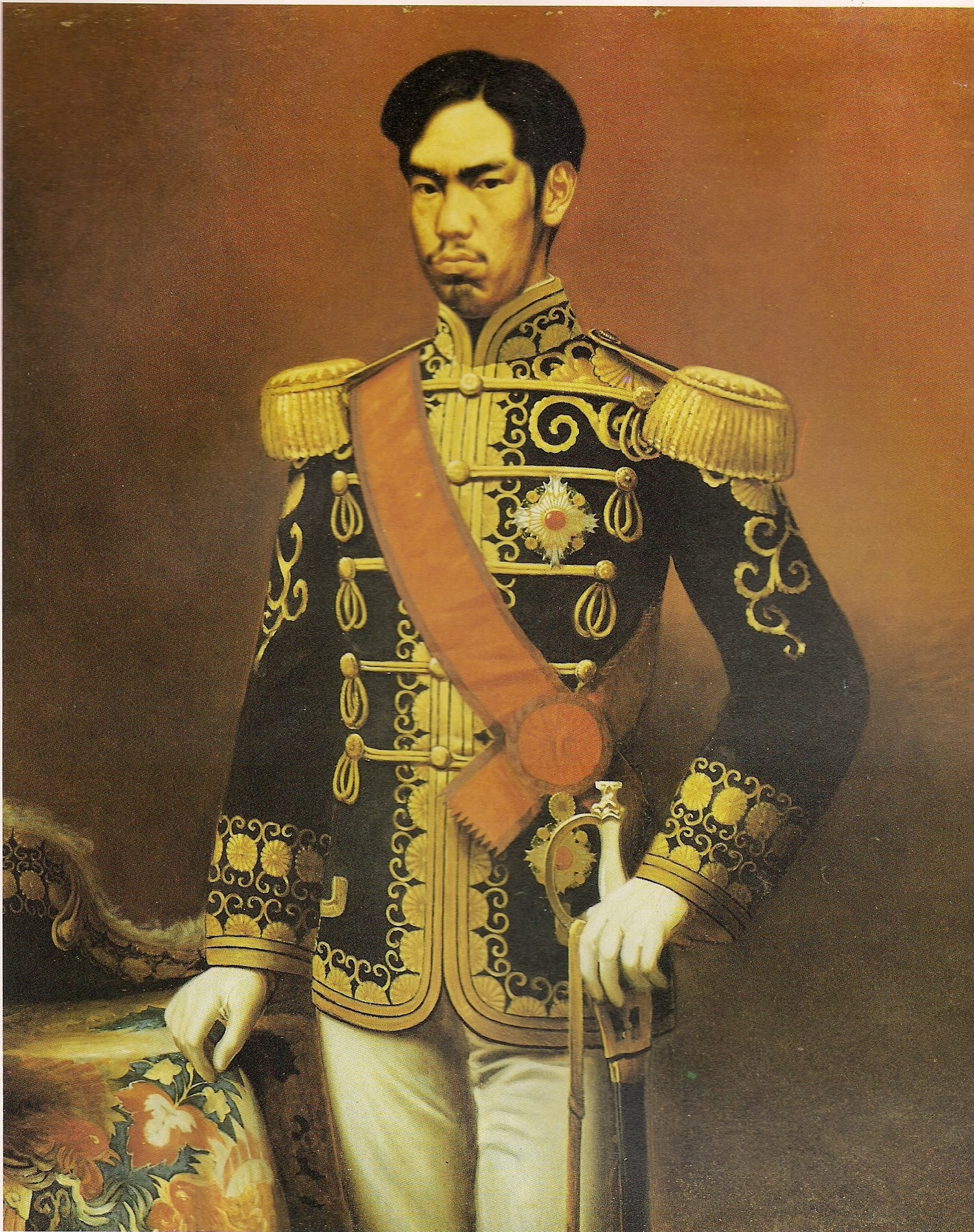
The Meiji Restoration was a sweeping political, social, and economic revolution that began on January 3, 1868, when power was formally restored to Emperor Meiji after 265 years of Tokugawa shogunate rule. Within a single generation, Japan abolished feudalism, built a modern military, industrialised its economy, and rewrote its constitution — transforming from an isolated agrarian society into a recognised world power by 1905. It remains the fastest and most successful modernisation programme in recorded history, accomplished without losing national sovereignty.
What Was Japan Like Before the Meiji Restoration?
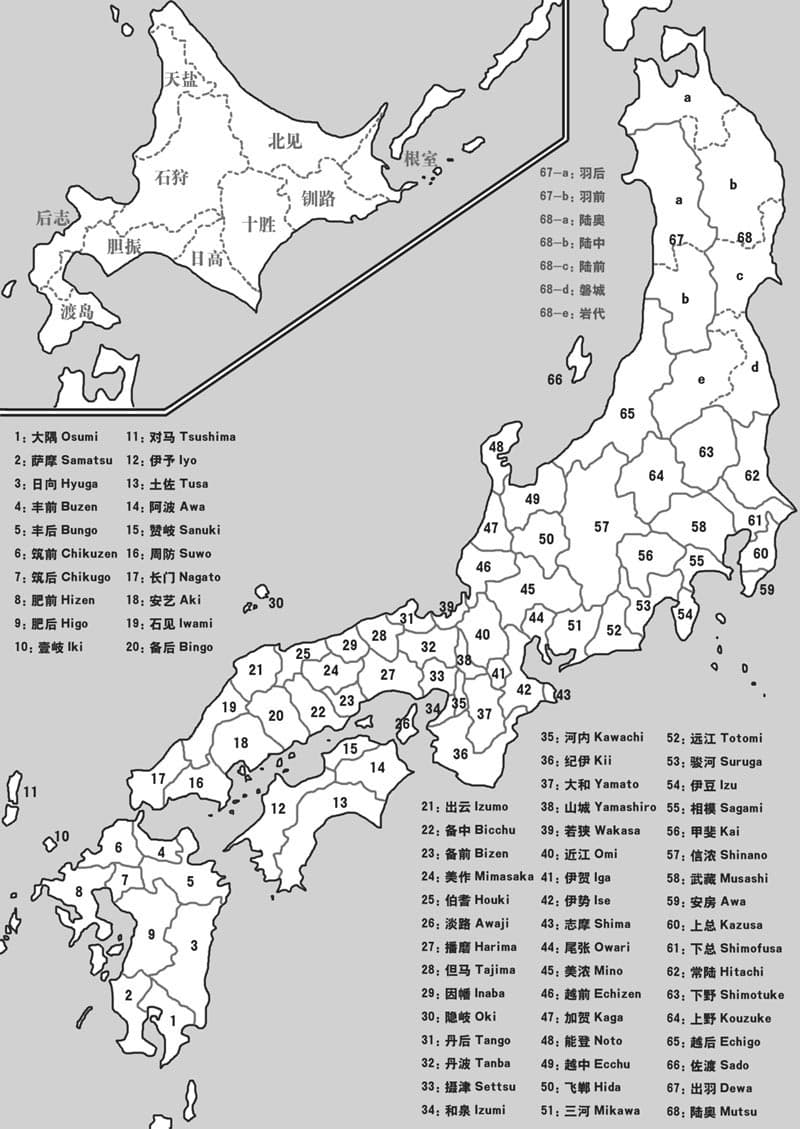
For over two and a half centuries, Japan was governed by the Tokugawa shogunate under a policy of strict isolation called sakoku, enforced from 1639 onward. Society was rigidly stratified into four hereditary classes: samurai (warriors), farmers, artisans, and merchants. Roughly 260 semi-autonomous domains (han) were controlled by feudal lords (daimyo), each with their own armies, currencies, and laws. The emperor in Kyoto held symbolic authority but no real power. While Europe industrialised and expanded empires globally, Japan remained deliberately sealed off — no foreign trade except through a single Dutch outpost on Dejima island in Nagasaki, and no Japanese citizen was legally permitted to travel abroad. This isolation, once a source of stability, became a dangerous vulnerability by the mid-nineteenth century.
What Triggered the Meiji Restoration? The Crisis of 1853
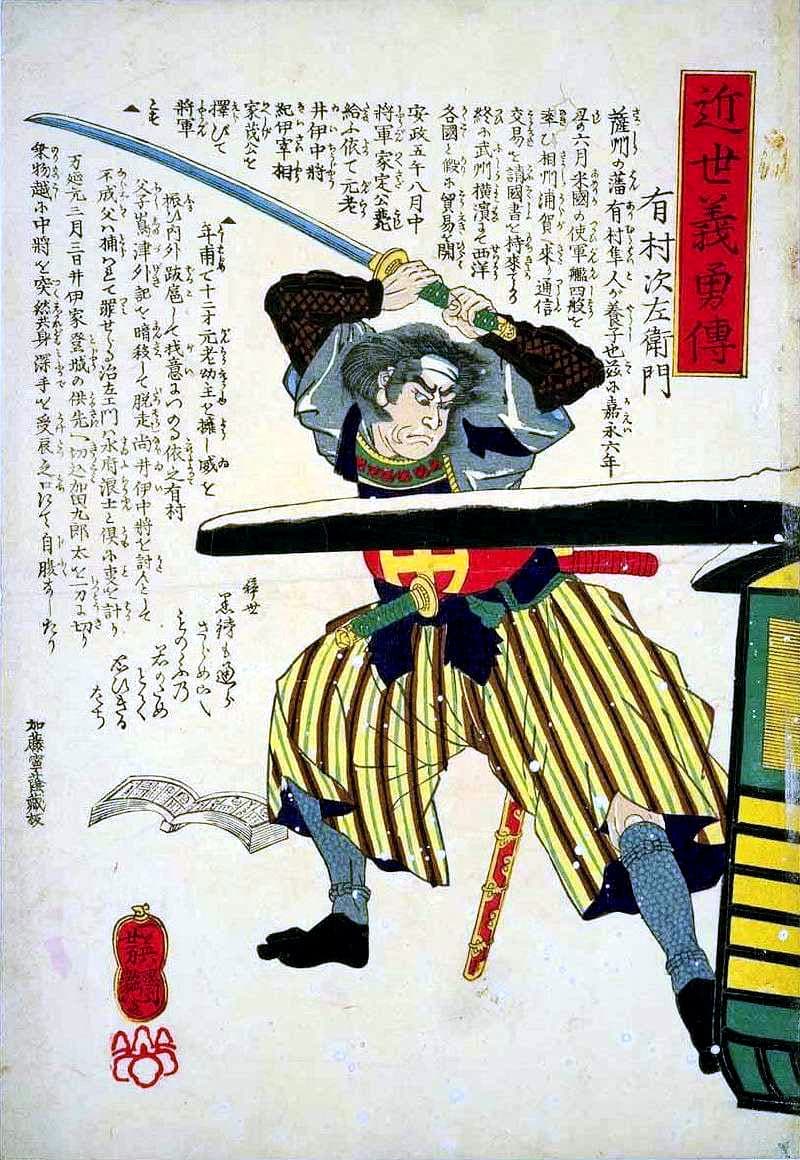
The immediate catalyst arrived on July 8, 1853, when Commodore Matthew Perry of the United States Navy sailed four steam-powered warships — the so-called 'Black Ships' — into Edo Bay (modern Tokyo Bay). Perry delivered a letter from US President Millard Fillmore demanding Japan open its ports to trade, and backed the demand with unmistakable military force. The shogunate's inability to resist left it humiliated: Japan signed the Convention of Kanagawa in March 1854, granting the US access to the ports of Shimoda and Hakodate. Similar 'unequal treaties' quickly followed with Britain, Russia, France, and the Netherlands. These agreements imposed extraterritoriality and fixed low tariffs, stripping Japan of economic sovereignty. The crisis split the ruling class: conservatives (sonnō jōi, 'revere the emperor, expel the barbarians') argued for violent expulsion of foreigners, while pragmatic reformers concluded Japan had no choice but to modernise or be colonised like China or India. A decade of civil conflict, political assassination, and domain rebellions followed, culminating in the Boshin War (1868–1869), in which pro-imperial forces defeated shogunate loyalists and restored the Meiji Emperor to power.
How Did Emperor Meiji Come to Power in 1868?
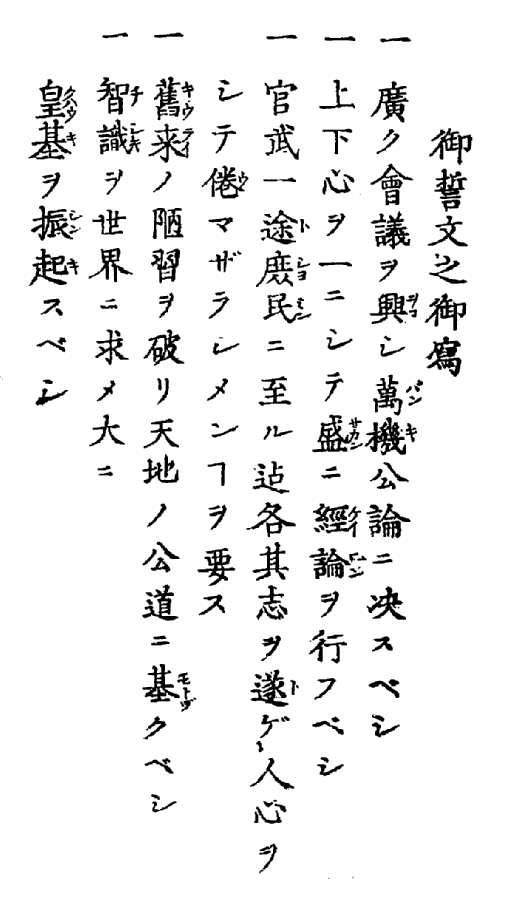
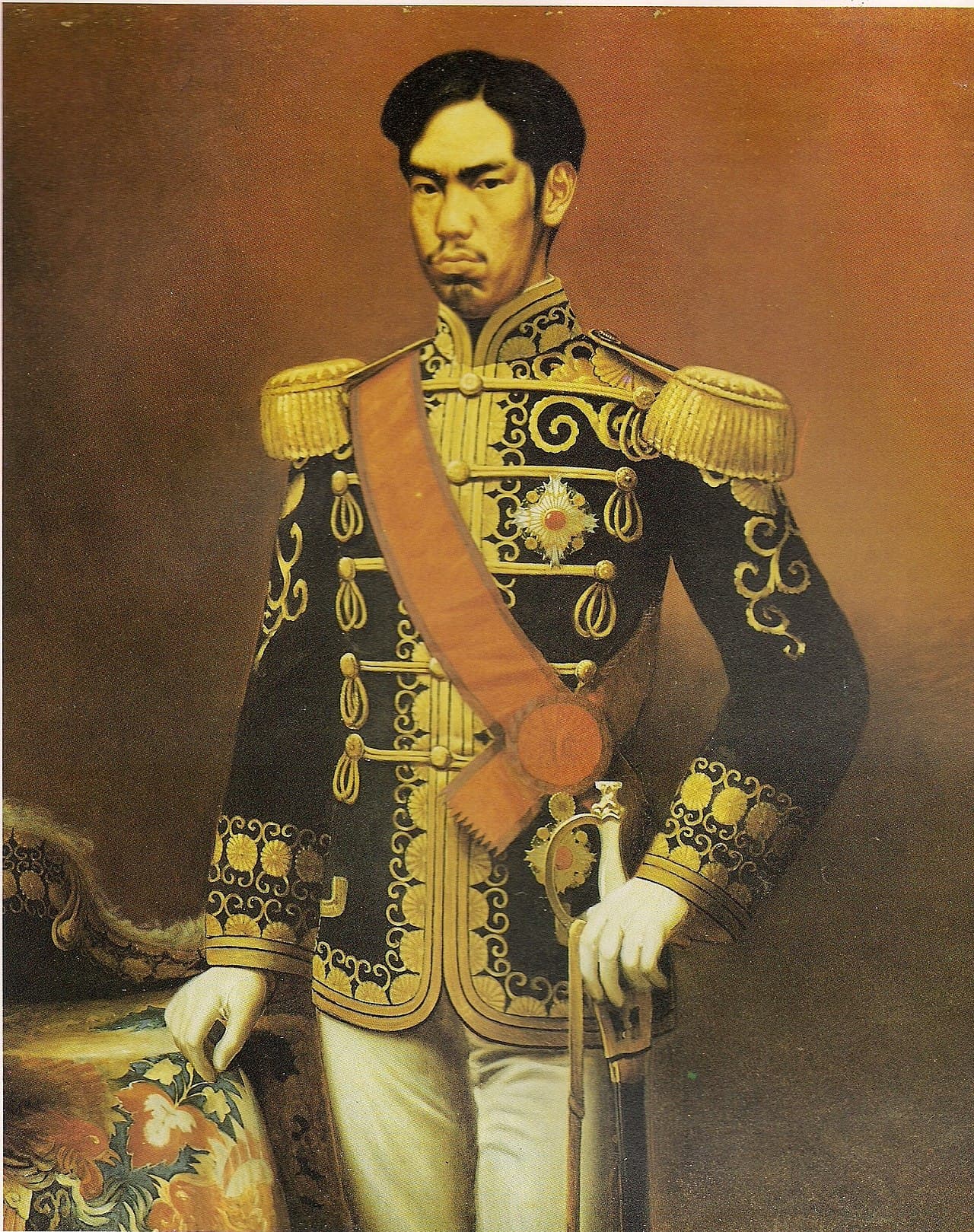
Emperor Mutsuhito — posthumously known as Emperor Meiji, meaning 'enlightened rule' — was born November 3, 1852, and ascended the Chrysanthemum Throne at age 14 in February 1867 following the death of his father, Emperor Kōmei. Real authority behind the restoration lay with a coalition of young, lower-ranking samurai from the powerful southwestern domains of Satsuma, Chōshū, Tosa, and Hizen. Key architects included Itō Hirobumi (later Japan's first prime minister), Ōkubo Toshimichi, Saigō Takamori, and Kido Takayoshi. On January 3, 1868, these leaders staged a coup at the Kyoto Imperial Palace, issuing the Imperial Restoration Decree that abolished the shogunate and declared direct imperial rule. The Boshin War that followed saw imperial forces defeat the last shogunate stronghold at Hakodate in May 1869. The capital was moved from Kyoto to Edo, which was renamed Tokyo ('Eastern Capital'), and the new government issued the Five Charter Oath in April 1868 — a foundational document pledging deliberative assemblies, openness to world knowledge, and the abandonment of 'evil customs of the past.'
What Reforms Did the Meiji Government Introduce?
The pace and scope of Meiji-era reform was extraordinary. In 1869, the daimyo were persuaded to 'return' their domains to the emperor; by 1871, the domains were abolished entirely and replaced with 72 prefectures under central government control. The four-class caste system was legally dissolved in 1871, and samurai were stripped of their exclusive right to bear arms — a privilege they had held for centuries. Mandatory military conscription was introduced in 1873 by Yamagata Aritomo, creating a national army modelled on the French and later the Prussian military. Universal compulsory primary education was mandated in 1872, driving literacy rates from roughly 40% to over 90% by 1912. A national railway network expanded from just 18 miles of track in 1872 to more than 4,800 miles by 1900. The Bank of Japan was established in 1882 to stabilise currency and finance industrialisation. Japan's first modern constitution, drafted largely by Itō Hirobumi after his 1882 study tour of European constitutions (particularly Germany's), was promulgated on February 11, 1889 — establishing a bicameral Imperial Diet while concentrating executive power in the emperor and his cabinet.
How Did Japan Industrialise So Quickly During the Meiji Era?
Japan's industrialisation strategy was deliberate and state-directed. The government established pilot factories and model plants, then sold them to private entrepreneurs — seeding the powerful industrial conglomerates called zaibatsu (including Mitsubishi, Mitsui, Sumitomo, and Yasuda). Thousands of Western technical experts (oyatoi gaikokujin, or 'hired foreigners') were recruited at great expense: by the 1870s, some 3,000 foreign specialists worked in Japan, teaching engineering, medicine, law, and agriculture. Simultaneously, the government sent hundreds of Japanese students to study in Europe and America — the Iwakura Mission of 1871–1873 dispatched 107 officials and students, including future leaders, on an 18-month tour of 12 countries to study Western institutions firsthand. Silk and cotton textiles became Japan's industrial foundation: the Tomioka Silk Mill, established in 1872 with French machinery and expertise, was a landmark state enterprise. By 1900, Japan's industrial output had grown more than tenfold since 1868. The Yawata Steel Works opened in 1901, marking Japan's entry into heavy industry. The country's GDP per capita roughly doubled between 1870 and 1913, while Britain's grew by approximately 50% in the same period.
| Indicator | Japan 1868 | Japan 1912 | Change |
|---|---|---|---|
| Railway network | 0 miles | 4,800+ miles | +4,800 miles |
| Literacy rate | ~40% | >90% | +50 percentage points |
| Primary schools | ~15,000 (han schools) | 25,000+ (public) | Systemised & expanded |
| Military personnel | Domain-based samurai | 500,000+ conscript army | National standing army |
| Steel production | Negligible | 150,000+ tonnes/year | Modern heavy industry |
| Telegraph lines | None | 6,500+ miles | National network built |
| Foreign trade volume | ~$30M/year | ~$700M/year | 23x increase |
What Was the Social and Cultural Impact of the Meiji Restoration?
The Meiji Restoration upended Japanese society from top to bottom. Samurai, roughly 6% of the population (approximately 1.9 million people), lost their stipends, their right to wear swords (Sword Abolition Edict, 1876), and their privileged status. Many struggled to adapt; the Satsuma Rebellion of 1877 — led by Saigō Takamori, the iconic 'last samurai' — was the final and largest armed samurai uprising against the new order, crushed by the conscript army in eight months at a cost of 12,000 government soldiers killed. Western dress, architecture, food, and customs were eagerly adopted in urban areas: beef eating, previously taboo in Buddhist-influenced Japan, became fashionable after Emperor Meiji publicly ate beef in 1872. The Gregorian calendar replaced the traditional lunisolar calendar on January 1, 1873. Yet the government balanced Westernisation with a cultivated nationalism: State Shinto was promoted, the emperor was presented as a living deity, and 1890's Imperial Rescript on Education emphasised Confucian loyalty and patriotism as counterweights to Western individualism. Women's roles remained highly constrained — the Meiji Civil Code of 1898 formally placed women under paternal or spousal authority — though compulsory education applied to girls as well as boys.
How Did the Meiji Restoration Lead to Japanese Military Power?
Military modernisation was the Meiji government's most urgent priority, driven by the existential fear of colonisation. The Imperial Japanese Army was reorganised along Prussian lines after 1878, and the Imperial Japanese Navy modelled itself on the Royal Navy. The results were dramatically demonstrated in two wars. In the First Sino-Japanese War (1894–1895), Japan defeated Qing China — then the nominal regional hegemon — in just eight months, seizing Taiwan and the Liaodong Peninsula and earning an indemnity of 200 million taels of silver. Far more shocking to the world was the Russo-Japanese War (1904–1905), in which Japan defeated the Russian Empire — a European great power — on both land and sea. Admiral Tōgō Heihachirō annihilated the Russian Baltic Fleet at the Battle of Tsushima on May 27–28, 1905, destroying 21 of 28 Russian warships in under 24 hours. The Treaty of Portsmouth (September 1905), mediated by US President Theodore Roosevelt, recognised Japanese dominance over Korea and gave Japan the Liaodong lease and half of Sakhalin Island. Japan was now universally recognised as a great power — the first Asian nation to defeat a European empire in a modern war.
Why Was the Meiji Restoration Historically Significant?
The Meiji Restoration's legacy extends far beyond Japan. It demonstrated that non-Western nations could selectively adopt Western technology and institutions without surrendering their cultural identity or becoming colonies — a model that inspired nationalists across Asia, from Sun Yat-sen in China to reformers in the Ottoman Empire. It established Japan as the dominant Asian power, a position that would shape the entire twentieth century through colonialism in Korea and Taiwan, imperial expansion across Asia, and ultimately the Pacific War (1941–1945). Domestically, the Meiji period created modern Japan's bureaucratic, educational, legal, and economic infrastructure, much of which persists today. Emperor Meiji died on July 30, 1912, after 44 years of reign. His era had taken Japan from a feudal backwater to a nation with the world's eighth-largest economy, a formidable navy, and full membership in the community of great powers. Harvard historian Marius Jansen called it 'the most important transformation of any society in the modern era.' No comparable nation-state reinvention has been achieved in so short a time, making the Meiji Restoration one of history's most consequential political events.
What Were the Contradictions and Costs of the Meiji Transformation?
The Meiji miracle had its shadows. Rapid industrialisation produced harsh working conditions: women and children in textile mills worked 14-hour days for minimal wages, and labour movements were brutally suppressed under the 1900 Public Peace Police Law. Rural peasants, burdened by new land taxes (the Land Tax Reform of 1873 required cash payment rather than rice, forcing many into debt), frequently lost their farms. Political dissent was constrained — the Freedom and People's Rights Movement of the 1870s–1880s agitated for parliamentary democracy but was co-opted and partially suppressed. The constitution of 1889, while granting a legislature, preserved enormous imperial prerogative and gave the military independent access to the throne, a structural flaw that would contribute to militarism in the 1930s. Japan's own imperial expansion — annexing the Ryukyu Islands in 1879, Korea in 1910 — replicated the very colonial dynamics its leaders had feared and resisted. The Meiji Restoration thus planted the seeds of both Japan's extraordinary achievements and its twentieth-century catastrophes in a single, turbulent generation.