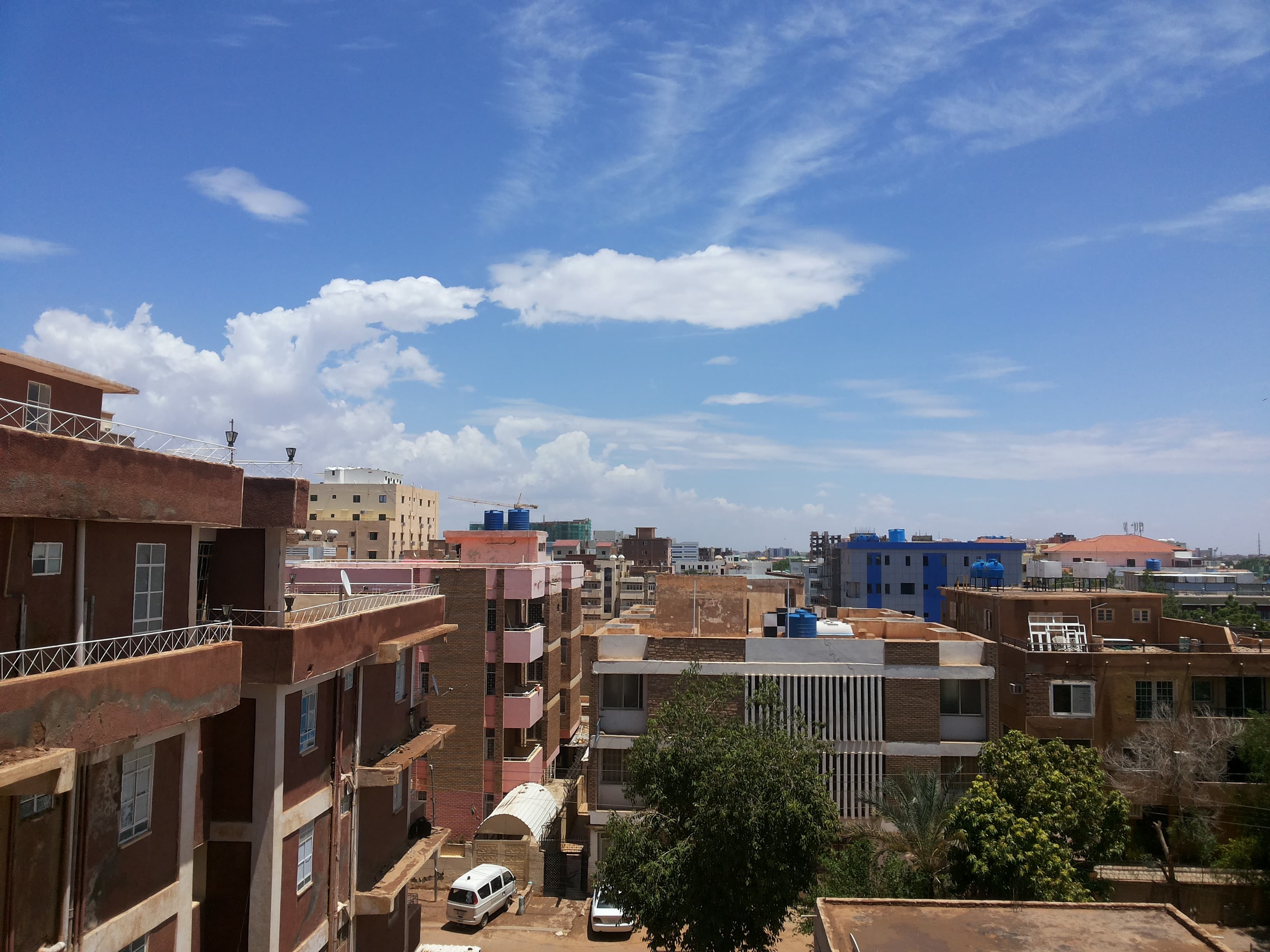
The Khartoum massacre refers to the widespread killing, rape, and destruction carried out against civilians in Sudan's capital and its twin city Omdurman beginning on 15 April 2023, when the Rapid Support Forces (RSF) under General Mohamed Hamdan Dagalo — known as Hemedti — launched a coordinated military coup against the Sudanese Armed Forces (SAF) led by General Abdel Fattah al-Burhan. Within days, Khartoum became an active war zone; UN investigators and human rights organisations documented summary executions, sexual violence, and the systematic looting of hospitals, homes, and aid warehouses. The violence represents one of the worst humanitarian catastrophes of the 21st century, displacing more than ten million people by 2024.
What Caused the Khartoum Massacre?
The roots of the conflict lie in Sudan's 2019 revolution, which ousted long-time dictator Omar al-Bashir after thirty years in power. The transitional government that followed gave both al-Burhan and Hemedti enormous institutional power, but a planned integration of the RSF — a 100,000-strong paramilitary force descended from the Janjaweed militias of the Darfur genocide — into the regular army became the trigger for war. Hemedti refused to accept a two-year timeline for full integration that would have effectively ended his independent command. Tensions exploded on 15 April 2023 when RSF units seized Khartoum's international airport, the presidential palace, and military bases simultaneously, signalling a deliberate bid for total state control. The SAF responded with airstrikes on RSF positions inside residential neighbourhoods, and civilians were trapped between two heavily armed factions with no regard for international humanitarian law.
How Did the Violence Unfold in Khartoum?
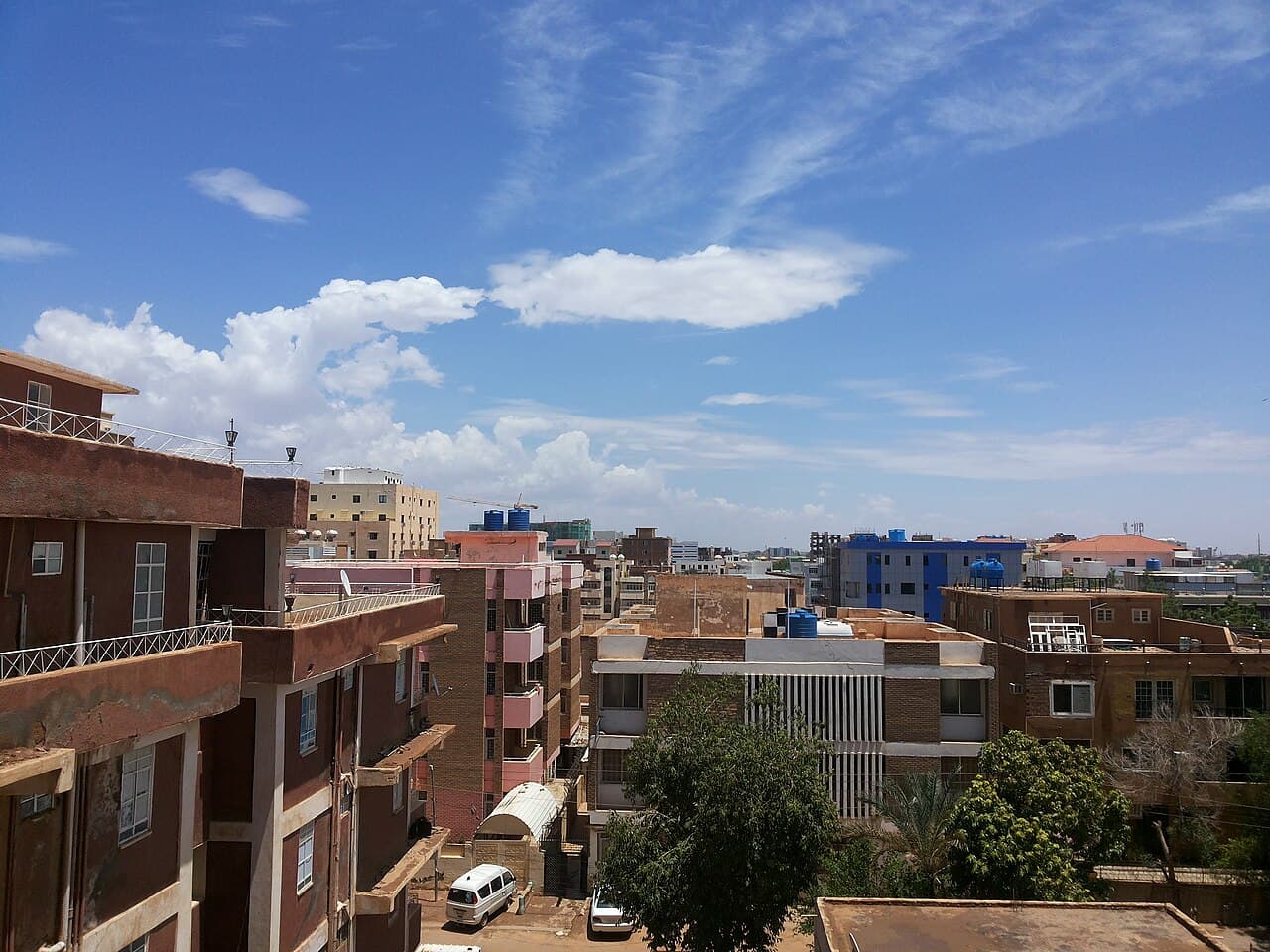
RSF fighters moved house to house in Khartoum and Omdurman, looting property and executing men suspected of SAF sympathies. Khartoum Teaching Hospital and several other medical facilities were occupied and stripped of equipment; doctors reported patients being killed in their beds. In the Gezira state south of Khartoum, mass rape was documented as a deliberate weapon of war. By January 2024, the UN Office for the Coordination of Humanitarian Affairs (OCHA) reported that at least 12,000 people had been killed — though experts widely consider this a significant undercount given restricted access. The SAF's retaliatory airstrikes killed additional civilians, with entire city blocks in Omdurman reduced to rubble. Khartoum, a city of six million, was effectively emptied as families fled to Port Sudan, Egypt, Chad, and South Sudan.
| Indicator | Figure (as of early 2024) |
|---|---|
| Confirmed deaths (UN minimum estimate) | 12,000+ |
| People displaced internally | 7.1 million |
| Refugees who fled Sudan | 1.6 million+ |
| People facing acute food insecurity | 18 million |
| Medical facilities attacked or looted | 100+ |
| Humanitarian access rating (OCHA) | Severely restricted |
What Is the International Response and Legacy?
Multiple ceasefire agreements brokered in Jeddah by Saudi Arabia and the United States collapsed within hours of being signed. The African Union, UN Security Council, and Arab League all issued condemnations but failed to enforce a durable halt to the fighting. The International Criminal Court, which had already issued arrest warrants against Janjaweed leaders for the Darfur genocide, opened preliminary inquiries into RSF atrocities. Humanitarian organisations described Sudan as the world's largest displacement crisis by mid-2024, surpassing Ukraine and Syria in the number of people forced from their homes. The massacre shattered a capital city that had stood for over a century and exposed the catastrophic consequences of allowing unaccountable armed factions to accumulate state-level military power in fragile post-authoritarian transitions.