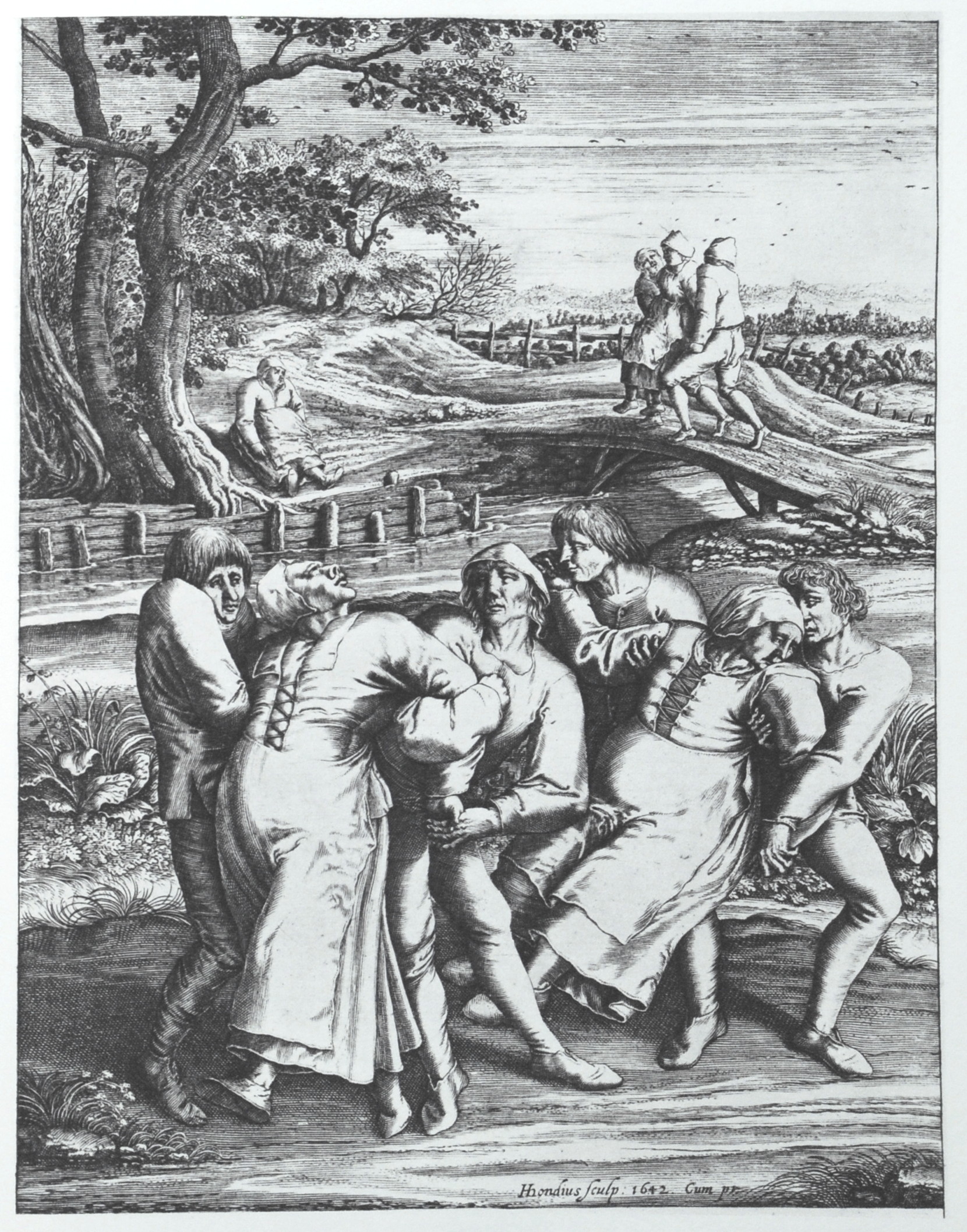
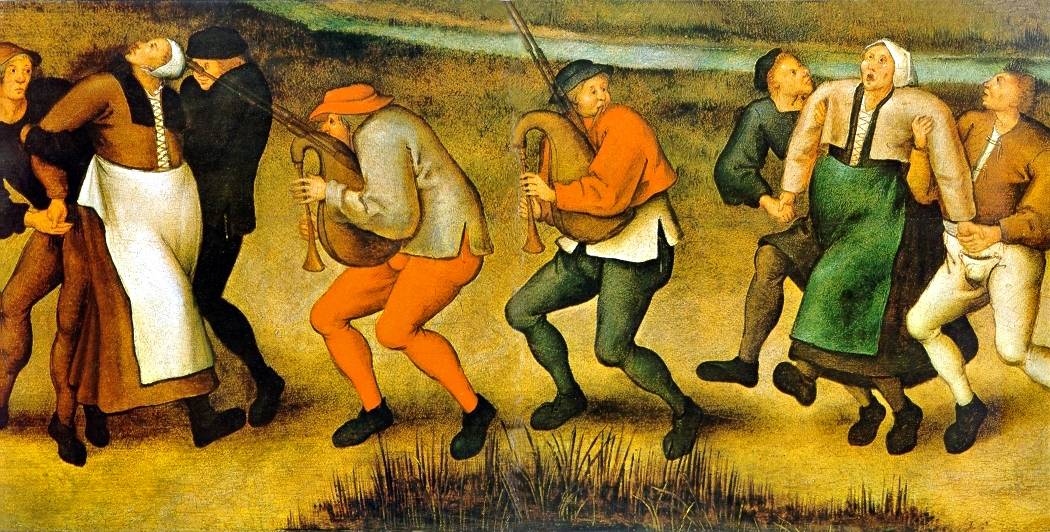
The Dancing Plague of 1518 was a episode of mass hysteria in Strasbourg, Alsace (modern-day France), in which roughly 400 people danced uncontrollably for days or weeks on end, with dozens reportedly dying from exhaustion, stroke, or heart failure. It began in mid-July 1518 when a woman named Frau Troffea stepped into the street and began dancing without music, without pause, and without apparent reason. Within a month, the episode had engulfed the city and baffled physicians, clergy, and civic authorities alike — leaving it one of the strangest and most debated medical mysteries in European history.
How Did the Dancing Plague of 1518 Begin?
The outbreak started around July 14, 1518, when Frau Troffea began dancing feverishly in a narrow Strasbourg street. She danced for four to six days straight, and within a week, around 34 others had joined her. By August, the number had swelled to an estimated 400 dancers. Strasbourg's city council, acting on advice from local physicians, made a fateful decision: they concluded the afflicted needed to dance the fever out of their system. They cleared two guild halls, hired musicians, and even brought in professional dancers to keep the sufferers company — inadvertently amplifying the crisis. Contemporary records, including a chronicle by physician Hieronymus Bock and city council notes preserved in Strasbourg's archives, confirm the epidemic was real and not allegorical.
What Were the Leading Theories Behind the Cause?
Historians and scientists have proposed several competing explanations. The most widely accepted modern theory, advanced by historian John Waller in his 2008 book 'A Time to Dance, A Time to Die,' is mass psychogenic illness (MPI) — a form of collective hysteria triggered by extreme psychological stress. Strasbourg in 1518 was ravaged by famine, syphilis, smallpox, and harsh winters; the population was desperate and deeply superstitious. A second theory implicates ergotism: poisoning from the ergot fungus (Claviceps purpurea) that grows on damp rye and contains compounds chemically related to LSD, which can cause convulsions and involuntary muscle movements. However, ergot poisoning typically also produces hallucinations and gangrene, which are not prominently documented in 1518. A third, now largely discredited, view held that the dancers were performing a religious ritual invoking St. Vitus, a Christian martyr associated with convulsive disorders — hence the episode's alternate name, 'St. Vitus's Dance.'
| Theory | Key Evidence For | Key Evidence Against |
|---|---|---|
| Mass Psychogenic Illness | Extreme social stress; spreads person-to-person; historical MPI precedents | Hard to explain purely physical endurance over weeks |
| Ergot Poisoning | Ergot common in wet rye harvests; causes muscle spasms | No documented gangrene or hallucinations in 1518 records |
| Religious Ritual / St. Vitus Cult | St. Vitus shrines nearby; religious framing in some accounts | Participants showed genuine distress, not voluntary worship |
How Did It End and What Is Its Legacy?
By September 1518, the city council reversed course entirely. Abandoning the 'dance it out' strategy, authorities banned music and public gatherings, and the afflicted were taken by wagon to the mountaintop shrine of St. Vitus near Saverne, where they were given red shoes blessed by priests. The dancing subsided within days and did not return. The 1518 episode was not unique in European history — similar outbreaks occurred in Aachen (1374) and along the Rhine Valley — but it remains the best-documented. Today it is studied by epidemiologists and psychologists as a landmark case of mass psychogenic illness, illustrating how collective trauma, religious belief, and social contagion can produce dramatic physical symptoms in large groups of people. John Waller's research re-ignited public interest in the 21st century, and the event has since inspired novels, documentary films, and academic papers on the psychology of crowd behaviour.
