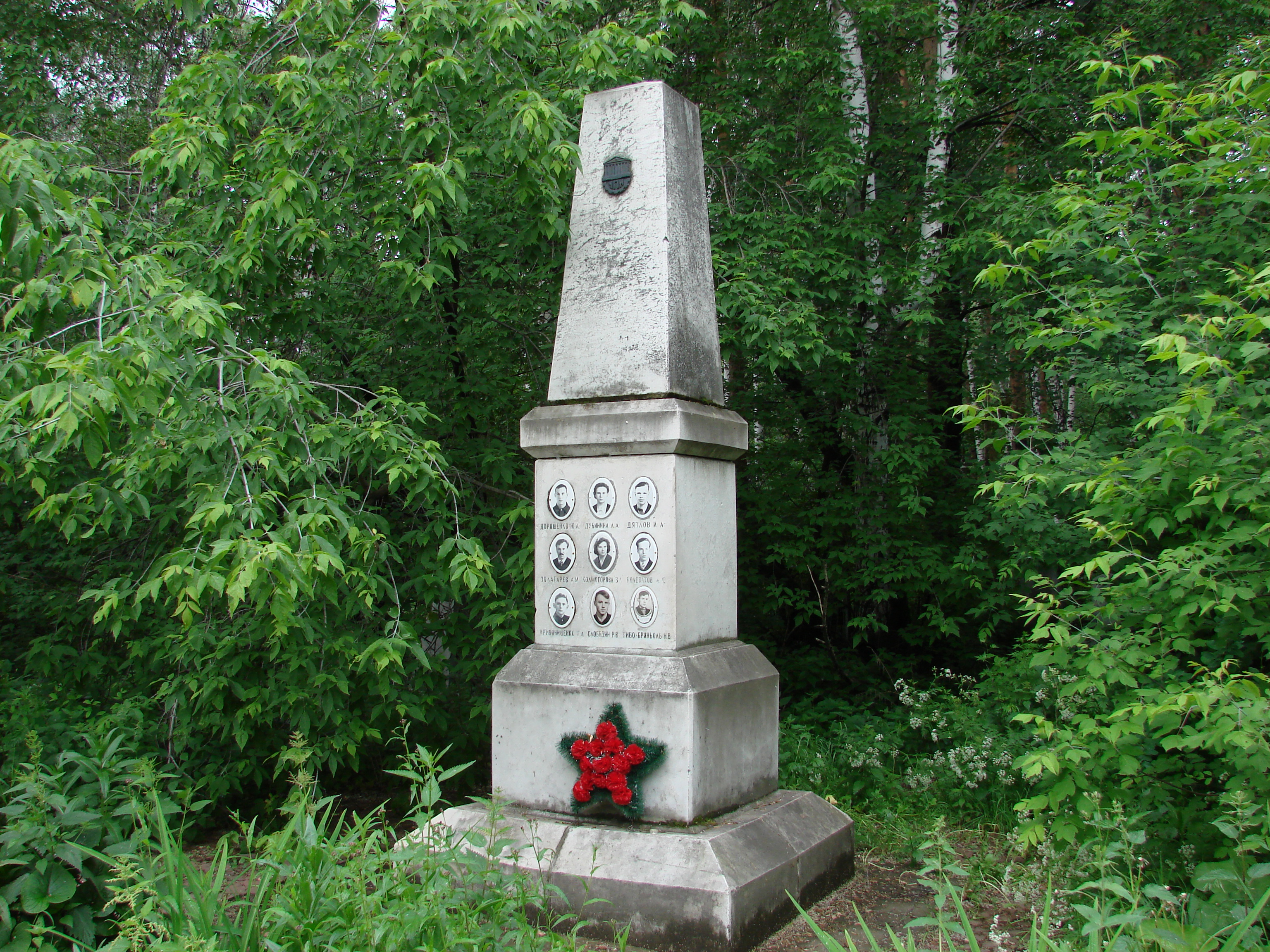
The Dyatlov Pass incident occurred in February 1959, when nine experienced Soviet ski hikers died on the slopes of Kholat Syakhl in the northern Ural Mountains of Russia. The group, led by 23-year-old Igor Dyatlov, fled their tent in the middle of the night—cutting it open from the inside—and perished in extreme cold, some showing unexplained internal injuries and traces of radiation. Decades of speculation and a 2021 Russian investigation have pointed to a rare natural phenomenon: a slab avalanche triggered by wind-redistributed snow.
What Happened the Night the Hikers Died?
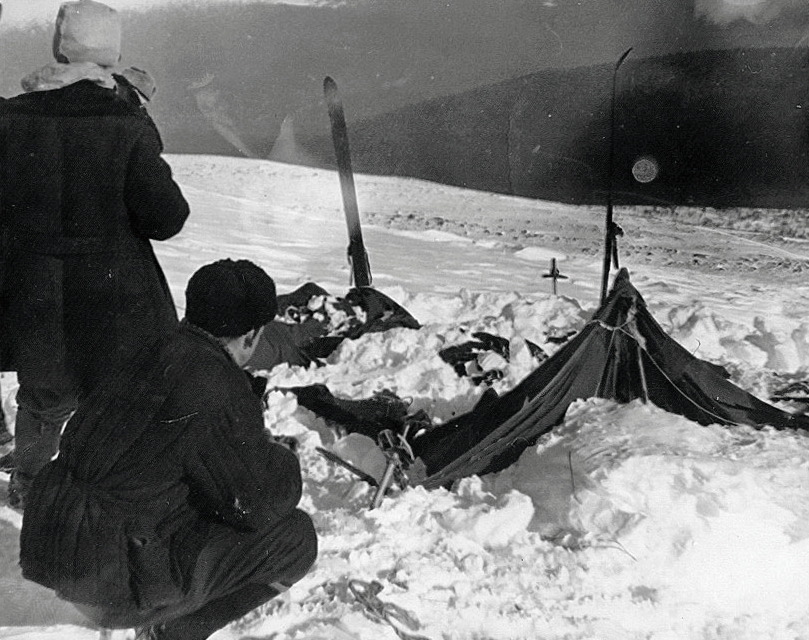
On the night of 1–2 February 1959, something forced all nine hikers to abandon their tent on the exposed eastern slope of Kholat Syakhl (a Mansi name meaning 'Dead Mountain'). Rescuers found the tent on 26 February, partially buried under snow and sliced open from within. The group had fled in socks or bare feet into temperatures as low as −30 °C (−22 °F). Five bodies were found near the tree line roughly 1.5 km away, apparently having died of hypothermia. The remaining four were discovered in May under 4 metres of snow in a ravine: they bore severe internal trauma—fractured ribs and a crushed skull—but had little external bruising, suggesting the injuries came from a powerful compressive force, not human violence. One victim, Lyudmila Dubinina, was missing her tongue and eyes, likely due to post-mortem decomposition in the stream where she lay.
Key Figures and the Group's Background
All nine victims were students or graduates of the Ural Polytechnic Institute in Sverdlovsk (now Yekaterinburg). Igor Dyatlov was a skilled and experienced route leader. Fellow hiker Zinaida Kolmogorova, 22, was found frozen mid-crawl back toward the tent, suggesting she died trying to rescue others. The group carried a working camera; photographs recovered from their film showed routine camp life up to the evening of 1 February. A tenth member, Yuri Yudin, had turned back earlier due to illness—making him the sole survivor and the last person to see his friends alive. He spent the rest of his life seeking answers, dying in 2013 without a definitive resolution.
| Victim | Age | Cause of Death |
|---|---|---|
| Igor Dyatlov | 23 | Hypothermia |
| Zinaida Kolmogorova | 22 | Hypothermia |
| Rustem Slobodin | 23 | Hypothermia (skull fracture) |
| Yuri Doroshenko | 21 | Hypothermia |
| Yuri Krivonischenko | 23 | Hypothermia |
| Aleksandr Zolotaryov | 38 | Fatal chest compression |
| Lyudmila Dubinina | 20 | Fatal chest compression |
| Nikolai Thibeaux-Brignolles | 23 | Fatal skull fracture |
| Aleksandr Kolevatov | 24 | Hypothermia/trauma |
What Does the 2021 Investigation Conclude?
Russia reopened the investigation in 2019 and published findings in 2021, concluding that a small slab avalanche was the most probable cause. Researchers at the Swiss Federal Institute for Snow and Avalanche Research produced a simulation showing how a delayed snow slab—possibly dislodged hours after the hikers cut into the slope to pitch their tent—could have slid silently in the dark, trapping and injuring those inside. The compressive force of even a small slab moving at speed explains the blunt internal trauma with minimal external bruising. Traces of radioactivity on clothing were attributed to lantern thorium mantles the hikers carried, while the 'orange skin' discoloration of bodies was a known effect of prolonged exposure and post-mortem decomposition. Soviet-era secrecy around the case fuelled conspiracy theories involving military weapons, UFOs, and the indigenous Mansi people—all of which have been methodically dismissed by investigators.
