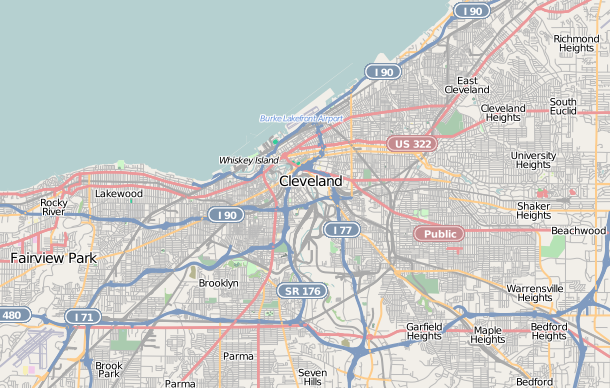
On September 27, 1986, Cleveland's United Way launched approximately 1.5 million helium balloons into the sky over downtown in a fundraising spectacle called Balloonfest '86 — and within hours, the world-record stunt had turned into a tragedy. The balloon cloud drifted over Lake Erie, disrupted a Coast Guard search-and-rescue mission for two drowning men, and blanketed the region with latex debris, injuring horses and entangling wildlife. The event resulted in a multimillion-dollar lawsuit and became one of the most cautionary tales in American event-planning history.
What Was the Goal of Cleveland Balloonfest 1986?
United Way of Cleveland organized Balloonfest '86 primarily as a publicity stunt to break the Guinness World Record for the most balloons released simultaneously and to generate enthusiasm and donations for the charity. Volunteers, including local students, spent the day inflating balloons inside a giant net on Public Square. The previous record stood at around 1 million balloons, set in Disneyland in 1985. Cleveland's organizers aimed to crush it. Sponsors paid for the event, and local television broadcast the 1:50 p.m. release live. At first, the spectacle was breathtaking — a massive, colorful cloud rising above the city skyline. The record was broken, and the crowd cheered. What no one had fully planned for was weather: an approaching weather front pushed the balloons back down to ground level instead of carrying them harmlessly into the upper atmosphere.
How Did the Balloon Release Turn Deadly?
The consequences unfolded rapidly. Two fishermen, Raymond Broderick and Bernard Sulzer, had gone missing in Lake Erie the day before. When the Coast Guard launched a search by boat and helicopter, the millions of descending balloons made it nearly impossible to spot the men's bright orange survival suits amid the floating latex — the very color used to flag emergencies. Both men's bodies were recovered days later. Sulzer's family sued United Way, arguing the balloons directly hampered the rescue and contributed to the deaths. Separately, a nearby horse farm reported that two Arabian horses were spooked by the balloon cloud, injured themselves while panicking, and had to be put down. Owner Ballenget settled with United Way out of court. The city's streets, Lake Erie shoreline, and surrounding farmland were blanketed in deflated latex and ribbon, prompting an environmental outcry that foreshadowed modern anti-balloon-release legislation.

What Was the Legal and Cultural Legacy of Balloonfest?
The Sulzer family's lawsuit against United Way was settled for an undisclosed amount in the early 1990s. The event catalyzed lasting policy changes: numerous U.S. states and municipalities have since banned or restricted mass balloon releases on environmental and safety grounds. Latex balloons are now classified as a significant hazard to marine life, with sea turtles and seabirds frequently ingesting deflated fragments. Cleveland Balloonfest became a fixture in risk-management and public-relations courses as a textbook example of an event where organizers failed to conduct basic contingency planning for weather or emergency services coordination. A 2020 documentary short rekindled public interest in the story, and Cleveland locals still refer to it as a defining moment of civic embarrassment — a record that nobody in the city wanted to keep.
| Factor | Detail |
|---|---|
| Date | September 27, 1986 |
| Location | Public Square, Cleveland, Ohio |
| Balloons Released | ~1.5 million helium balloons |
| Organizer | United Way of Cleveland |
| Deaths Linked | 2 (Raymond Broderick & Bernard Sulzer) |
| Lawsuit Outcome | Settled out of court, early 1990s |
| Record Broken | Guinness World Record for balloon release |