The Royal Bafokeng is the ethnic homeland of the Bafokeng people, a Setswana-speaking traditional community. The monarchy covers 1,000 square kilometers (390 sq mi) in the North West Province of South Africa. The capital is Phokeng, near Rustenburg. "Bafokeng" is used to refer to both the tribal grouping as well as the land its members inhabit. The kingdom's current ruler is Kgosi (King) Leruo Molotlegi, who has reigned since 2000.
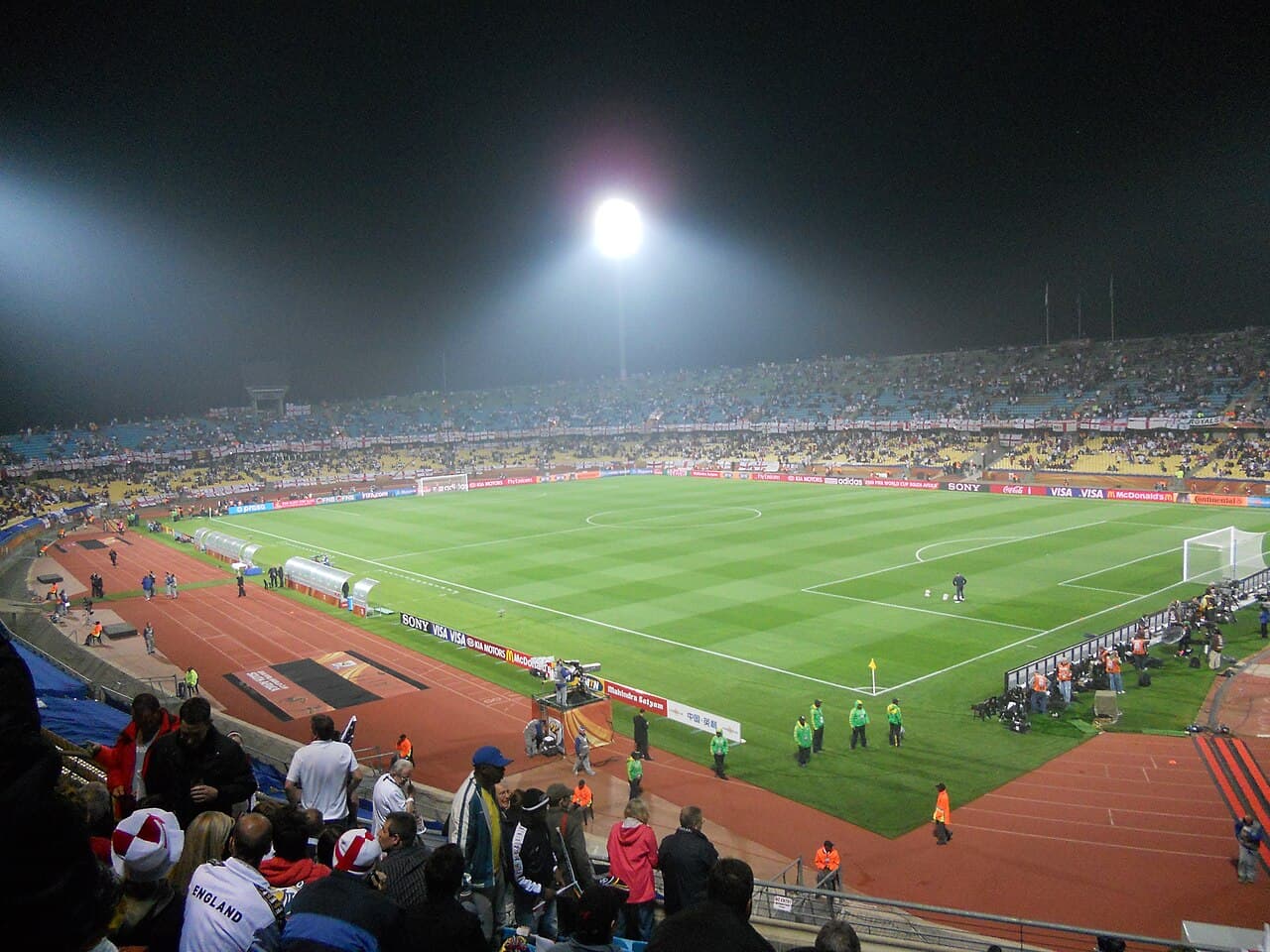
Bafokeng gained greater international attention in 2010, owing to its Royal Bafokeng Stadium, where six of the FIFA 2010 World Cup games were played, and the Bafokeng Sports Campus, which hosted the England football team during the World Cup.
Background
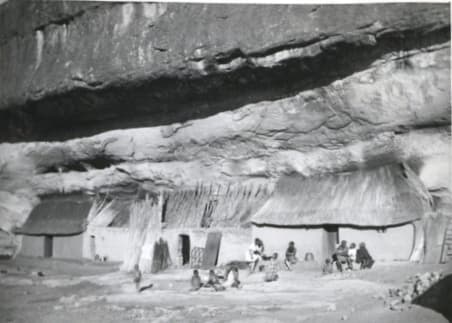
The Bafokeng tribe (Bafokeng meaning 'People of the dew', or 'People of the grass') own a piece of land in South Africa's bushveld on which 150,000 people, not all ethnic Bafokeng, live. Oral tradition suggests that when they settled in the Rustenburg valley, it captured heavy overnight dew, holding the promise that the land would be fertile and hence that the community would prosper. The Bafokeng struggled to buy the land, repelling invaders and imperialists as they did so. It was Robert Moffat in 1829 who first recorded what is now Phokeng when he was on his way to visit Mzilikazi.

About 100–150,000 ethnic Bafokeng live in an area 150 km north-west of Johannesburg, South Africa, with the balance scattered primarily throughout South Africa. The Bafokeng have retained their unique cultural identity and traditional leadership structures and are led by a hereditary kgosi (king), currently Leruo Molotlegi.
Geography
Much of the terrain is rolling grassland. Farming was the primary occupation until the discovery of the Merensky Reef in 1925, which led to mining. The Merensky Reef, a foot-thick layer of platinum-rich rock in the Bushveld Igneous Complex, is part of the richest platinum deposit in the world.
History
The Bafokeng people trace their history back to the year 1140. Kgosi (King) Sekete III, who ruled in the early 1700s, was the first in the line of kings, of which the current Kgosi Leruo Molotlegi is the 15th direct descendant. Sekete III was followed by kings Diale, Ramorwa, Sekete IV, and Thethe. Then came arguably the most influential king in Bafokeng history: Kgosi August Mokgatle, who reigned from 1834 to 1891. Pooling community resources, he started buying back the land the Bafokeng had occupied for centuries from white colonialists. Thirty-three years after Mokgatle's death, a part of the reef containing the world's largest deposit of platinum group metals were discovered under Bafokeng land. Owing to Mokgatle's purchasing of the land, the Bafokeng were able to eventually (post apartheid) claim royalties from platinum mining industry mines within the nation.