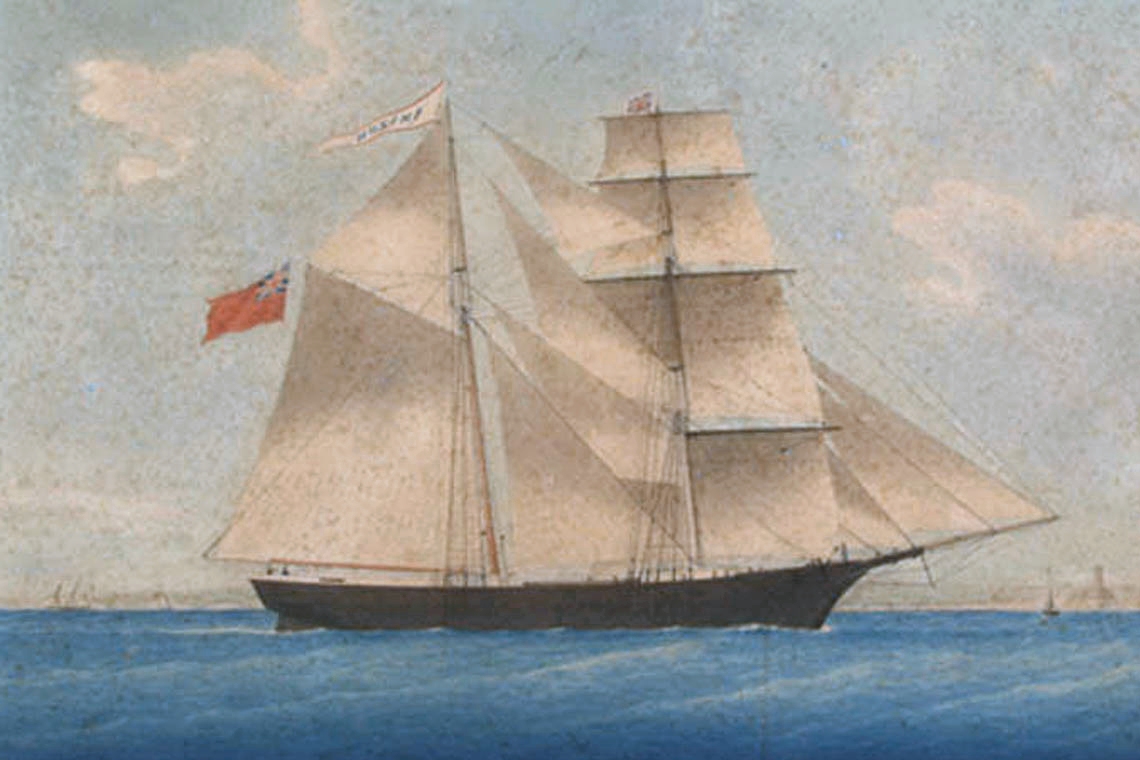
The Mary Celeste was an American merchant brigantine discovered adrift and deserted in the Atlantic Ocean on December 4, 1872, by the British brig Dei Gratia. The ship was seaworthy, her cargo intact, and no sign of struggle or catastrophe was found — yet all ten people aboard, including Captain Benjamin Spooner Briggs, his wife, young daughter, and seven crew members, had vanished without a trace. No conclusive explanation has ever been established, making the Mary Celeste the most enduring maritime mystery in history.
What Was the Mary Celeste and Who Was On Board?
Built in 1861 in Spencer's Island, Nova Scotia, the Mary Celeste was a 282-ton brigantine originally named Amazon. After a series of misfortunes and ownership changes, she was purchased in 1872 by James H. Winchester and refitted in New York. Captain Benjamin Briggs, an experienced and respected mariner, was given command. On November 7, 1872, the ship departed New York Harbor bound for Genoa, Italy, carrying 1,701 barrels of denatured alcohol. Briggs brought his wife Sarah and their two-year-old daughter Sophia aboard. The crew of seven included first mate Albert Richardson. The Dei Gratia, captained by David Morehouse — an acquaintance of Briggs — departed New York just eight days later and would be the one to find the abandoned vessel.
What Did Investigators Find When the Ship Was Boarded?
When Dei Gratia crew member Oliver Deveau boarded the Mary Celeste on December 4, roughly 400 miles east of the Azores, he found a deeply unsettling scene. The ship was in reasonable sailing condition, with sails partially set and six months' worth of food and water undisturbed in the hold. The crew's personal belongings — clothing, pipes, and a sewing machine belonging to Sarah Briggs — were all present. The cargo of alcohol was largely intact, though nine barrels were later found empty. Crucially, the ship's only lifeboat was missing, as was the chronometer and sextant. The last log entry was dated November 25, placing the ship near the Azores island of Santa Maria. There was no sign of violence, fire, or catastrophic flooding, yet every soul had gone.
What Are the Leading Theories Behind the Abandonment?
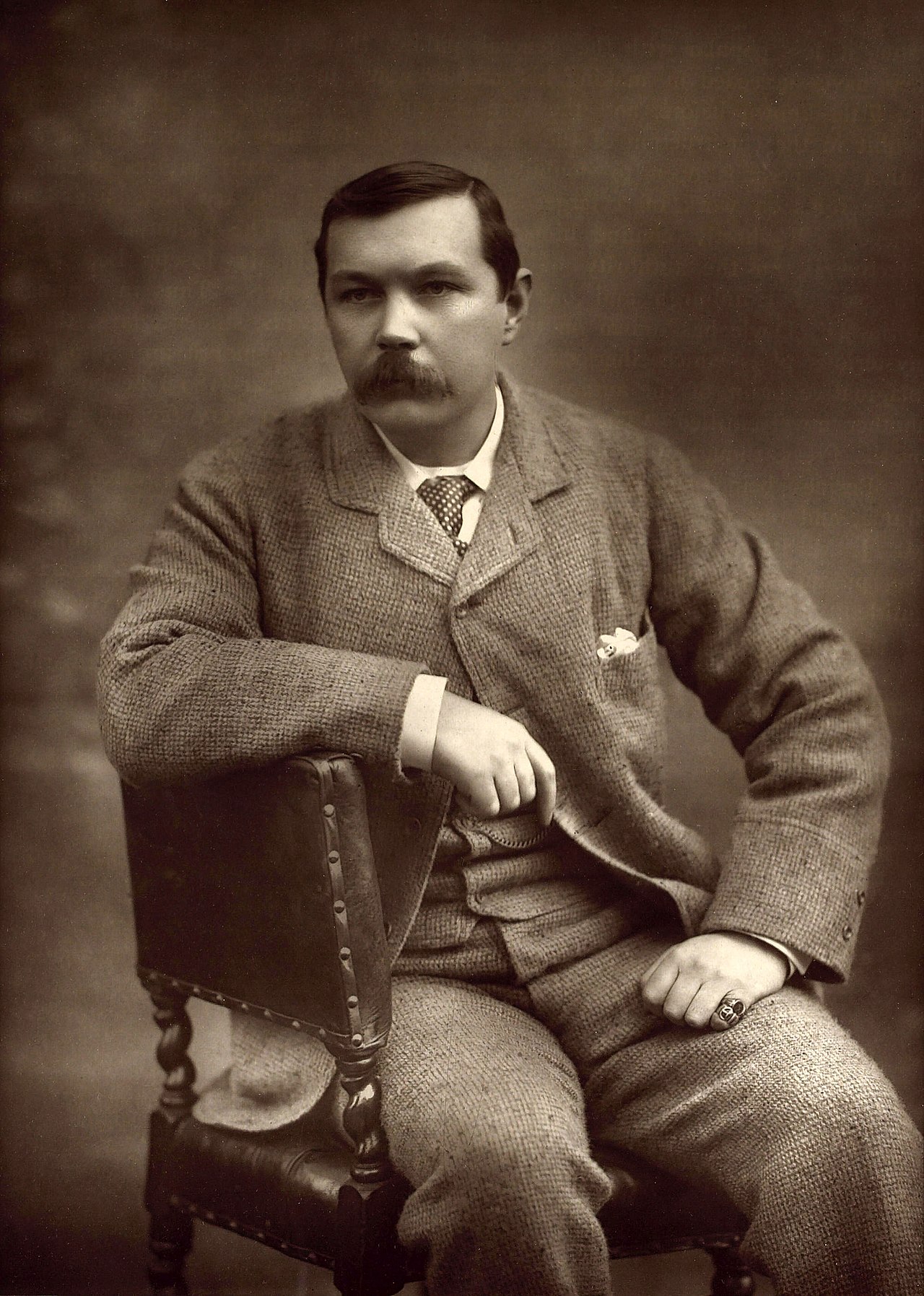
Investigators and historians have proposed numerous explanations. The most widely accepted theory today involves seismic activity or waterspouts creating a sudden, alarming but temporary situation — possibly a violent lurch or apparent flooding — that caused Briggs to order everyone into the lifeboat, intending to stay close to the ship. If the tow line connecting the lifeboat to the Mary Celeste snapped, the drifting brigantine would have sailed away, leaving the occupants stranded to perish at sea. The leaking alcohol fumes theory is also credible: fumes from the nine empty barrels could have caused a non-destructive but terrifying vapor explosion, prompting evacuation. An 2006 experiment by marine chemist Dr. Andrea Sella at University College London demonstrated that denatured alcohol can produce a 'cold flame' explosion with no visible scorching — consistent with the undamaged interior. Piracy and mutiny were investigated but ruled out; the Gibraltar salvage court found no evidence of foul play. Arthur Conan Doyle's 1884 short story 'J. Habakuk Jephson's Statement' introduced deliberate embellishments — including a false detail about a half-eaten meal on the table — that have muddied public understanding ever since.
Key Facts at a Glance
| Detail | Information |
|---|---|
| Ship type | Brigantine (two-masted) |
| Built | 1861, Spencer's Island, Nova Scotia |
| Departed New York | November 7, 1872 |
| Discovered adrift | December 4, 1872 |
| Discovered by | British brig Dei Gratia, Capt. David Morehouse |
| Location found | ~400 miles east of the Azores |
| Souls lost | 10 (Briggs family + 7 crew) |
| Cargo | 1,701 barrels of denatured alcohol |
