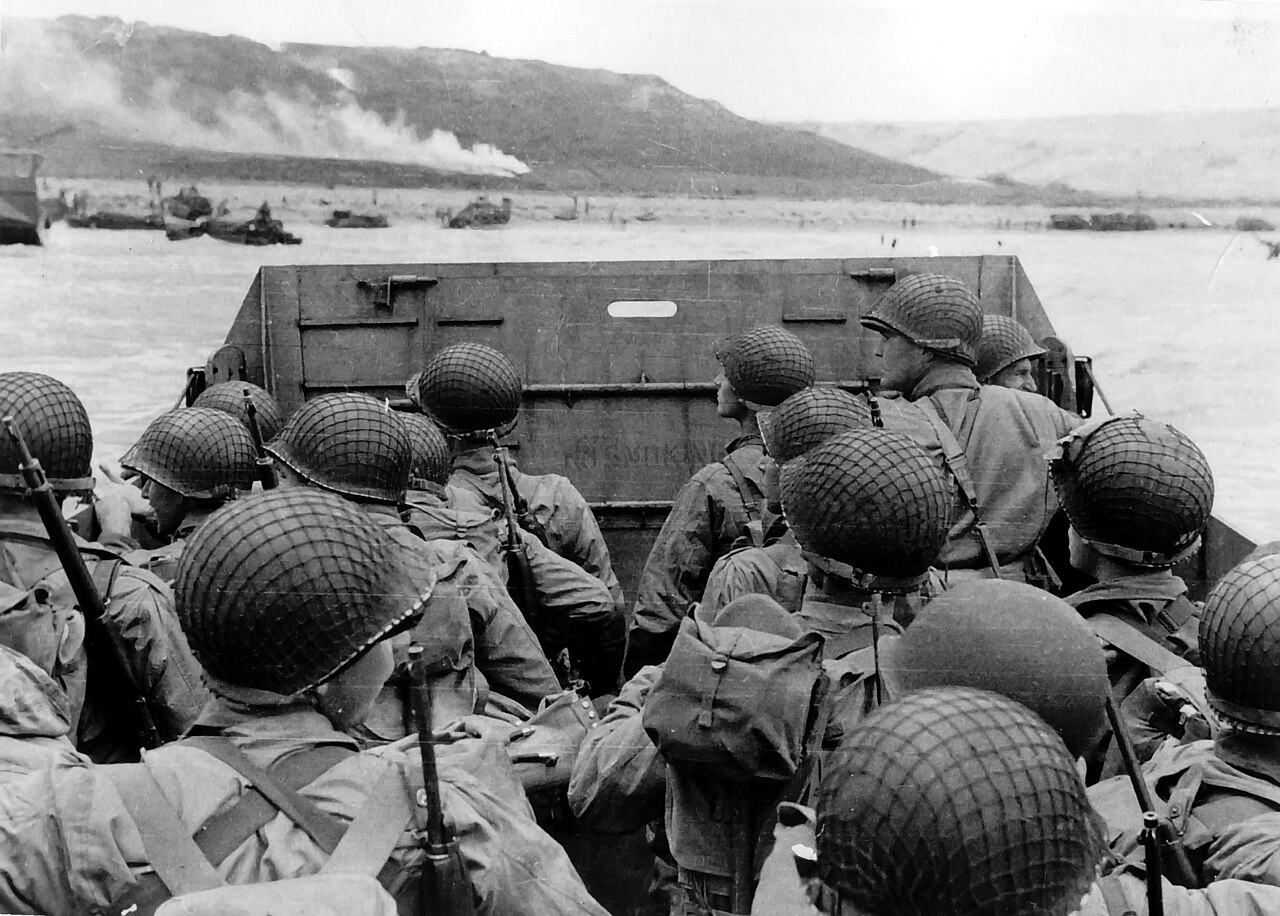
June 6 is best known as D-Day — June 6, 1944 — when Allied forces launched the largest amphibious invasion in history on the beaches of Normandy, France, turning the tide of World War II. More than 156,000 troops from the United States, Britain, and Canada stormed five beaches in a single day, suffering roughly 10,000 casualties while cracking open Hitler's Atlantic Wall. Beyond D-Day, June 6 has repeatedly been a hinge point in history, from political assassinations to scientific milestones.
What Happened on D-Day, June 6, 1944?
Operation Overlord — the Allied invasion of Nazi-occupied France — began at 00:15 on June 6, 1944, when paratroopers of the U.S. 82nd and 101st Airborne Divisions dropped behind enemy lines. At 06:30, infantry hit five beaches code-named Utah, Omaha, Gold, Juno, and Sword. Omaha Beach was the bloodiest: the U.S. 1st and 29th Infantry Divisions faced devastating fire from the German 352nd Infantry Division, suffering over 2,000 casualties on that stretch alone. Supreme Allied Commander General Dwight D. Eisenhower had gambled on a narrow weather window identified by meteorologist Group Captain James Stagg. By nightfall, the Allies held a 50-mile (80 km) beachhead. The liberation of Paris followed just 11 weeks later, on August 25, 1944, and Germany surrendered on May 8, 1945 — a chain of events set in motion on this single day.
| Beach | Assaulting Force | Estimated D-Day Casualties |
|---|---|---|
| Utah | U.S. 4th Infantry Division | ~200 |
| Omaha | U.S. 1st & 29th Infantry Divisions | ~2,000 |
| Gold | British 50th Infantry Division | ~400 |
| Juno | Canadian 3rd Infantry Division | ~1,200 |
| Sword | British 3rd Infantry Division | ~630 |
Other Major Events on June 6 Throughout History
June 6 has been marked by consequential events across centuries. On June 6, 1968, Senator Robert F. Kennedy died at Good Samaritan Hospital in Los Angeles, having been shot the previous night at the Ambassador Hotel by Sirhan Sirhan — an assassination that derailed the Democratic primary and reshaped American politics. On June 6, 1982, Israel launched Operation Peace for Galilee, invading Lebanon with 60,000 troops and triggering a conflict that would last years and redraw Middle Eastern alliances. In science, June 6, 1944 is also the birth date of Björn Borg's era-defining 1976 Wimbledon run — and more significantly, June 6, 1985 saw the first confirmed case data published by the CDC that would define the global AIDS epidemic's trajectory. Each June 6 adds another layer to a date already saturated with history.

Why Is June 6 Considered One of History's Most Significant Dates?
The concentration of world-altering events on June 6 is striking. D-Day alone justifies the date's place in history: without the Normandy landings' success, the Nazi occupation of Western Europe could have extended years longer, with incalculable human cost. The assassination of RFK in 1968 removed a candidate many historians believe would have won the presidency, potentially ending the Vietnam War earlier and altering the social fabric of the United States. Israel's 1982 Lebanon invasion reshaped the geopolitics of the Middle East for decades. Cumulatively, June 6 represents a date on which democratic nations — and the forces opposing them — made decisions whose consequences are still felt today.