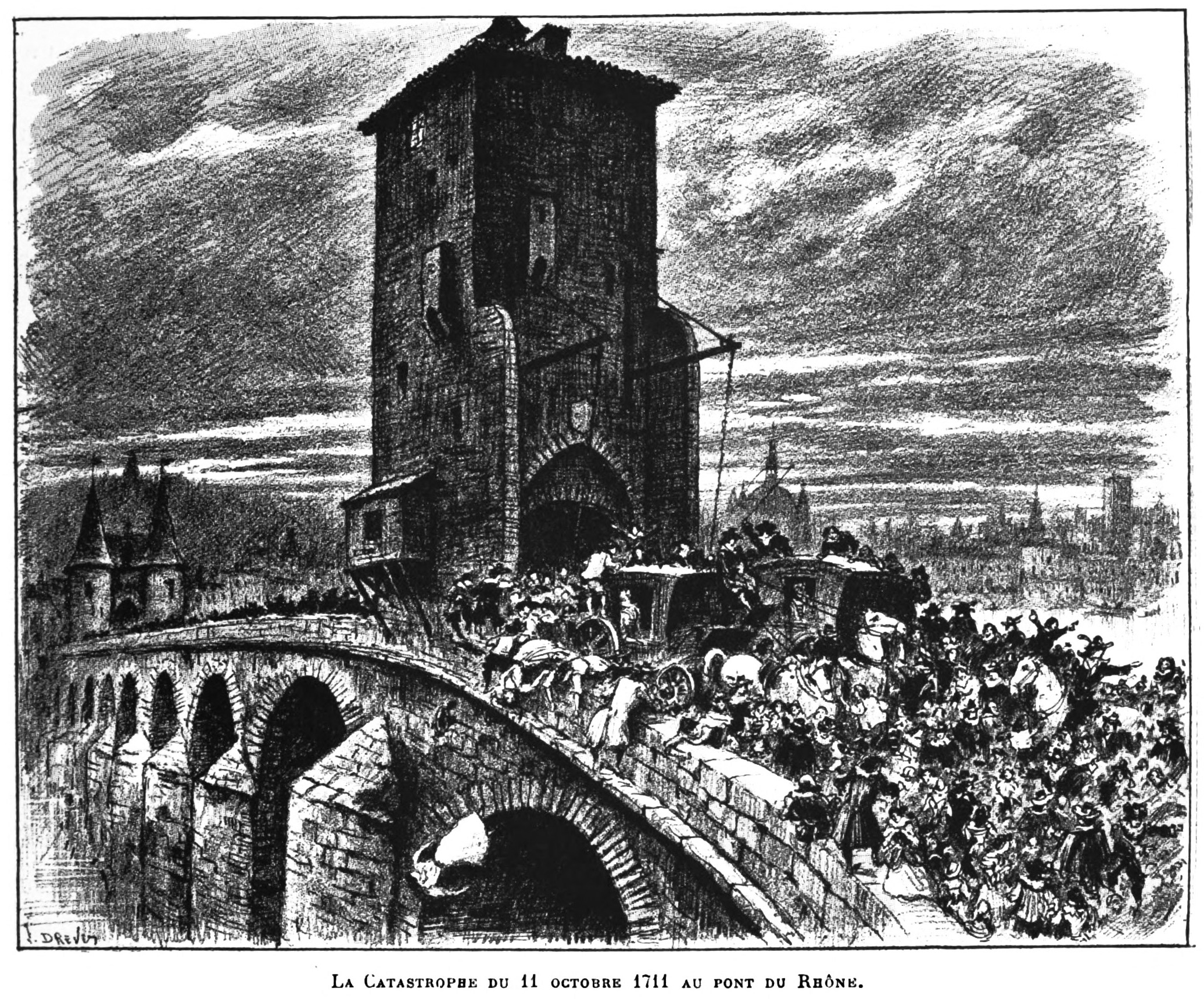
A crowd crush occurs when crowd density becomes so extreme — typically exceeding six to seven people per square metre — that compressive asphyxia kills people who never fall and never panic. The deadliest examples include the 2021 Astroworld Festival (10 deaths, Houston), the 1990 Mecca tunnel disaster (1,426 deaths), and the 2022 Halloween crush in Itaewon, Seoul (159 deaths). Despite widespread use of the word 'stampede', victims rarely trample one another; they are slowly compressed to death while standing upright.
What Actually Causes a Crowd Crush?
Crowd crushes are fundamentally an engineering and physics problem, not a panic problem. When crowd density surpasses five people per square metre, individuals lose autonomous movement. At seven per square metre, crowd-force waves — sometimes called 'crowd turbulence' — propagate through the mass like shockwaves, generating lateral forces exceeding 4,500 newtons (roughly the weight of 450 kg). These forces compress the thorax, preventing inhalation. Key triggers include funnel-shaped venues that narrow crowd flow, counter-flows of people moving in opposite directions, sudden stop-and-surge dynamics near stage barriers or bottlenecks, and poor communication between event staff and crowd-safety monitors. Critically, individuals at the centre cannot see or respond to conditions at the edges, so the crowd behaves as a single fluid rather than thousands of rational actors.
Deadliest Crowd Crush Disasters in History
| Event | Location | Year | Deaths |
|---|---|---|---|
| Hajj tunnel disaster | Mecca, Saudi Arabia | 1990 | 1,426 |
| Minä tent city crush | Mecca, Saudi Arabia | 2015 | 769+ |
| Spassky Gate stampede | Moscow, USSR | 1982 | 66 |
| Hillsborough disaster | Sheffield, UK | 1989 | 97 |
| Love Parade disaster | Duisburg, Germany | 2010 | 21 |
| Itaewon Halloween crush | Seoul, South Korea | 2022 | 159 |
| Astroworld Festival | Houston, USA | 2021 | 10 |
How Can Crowd Crushes Be Prevented?
Crowd-safety science, pioneered by researchers like Professor G. Keith Still of Manchester Metropolitan University, offers concrete solutions. Real-time crowd density monitoring using CCTV analytics and LiDAR sensors can alert security before density reaches dangerous thresholds. Venue design must eliminate bottlenecks, favour wide exits evenly spaced around a perimeter, and avoid concave layouts that funnel people inward. Event organisers should implement timed entry, clear one-way pedestrian corridors, and visible crowd-safety officers empowered to halt entry. The Hillsborough disaster (1989, 97 deaths at an FA Cup semi-final in Sheffield) directly resulted in revised UK safety legislation — the Guide to Safety at Sports Grounds ('Green Guide') — which became an international model. Despite this, enforcement remains inconsistent globally, particularly at festivals and religious gatherings.

