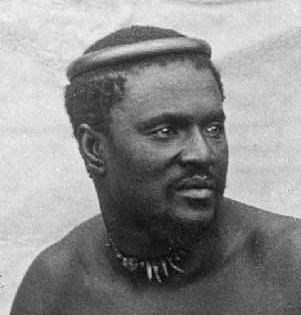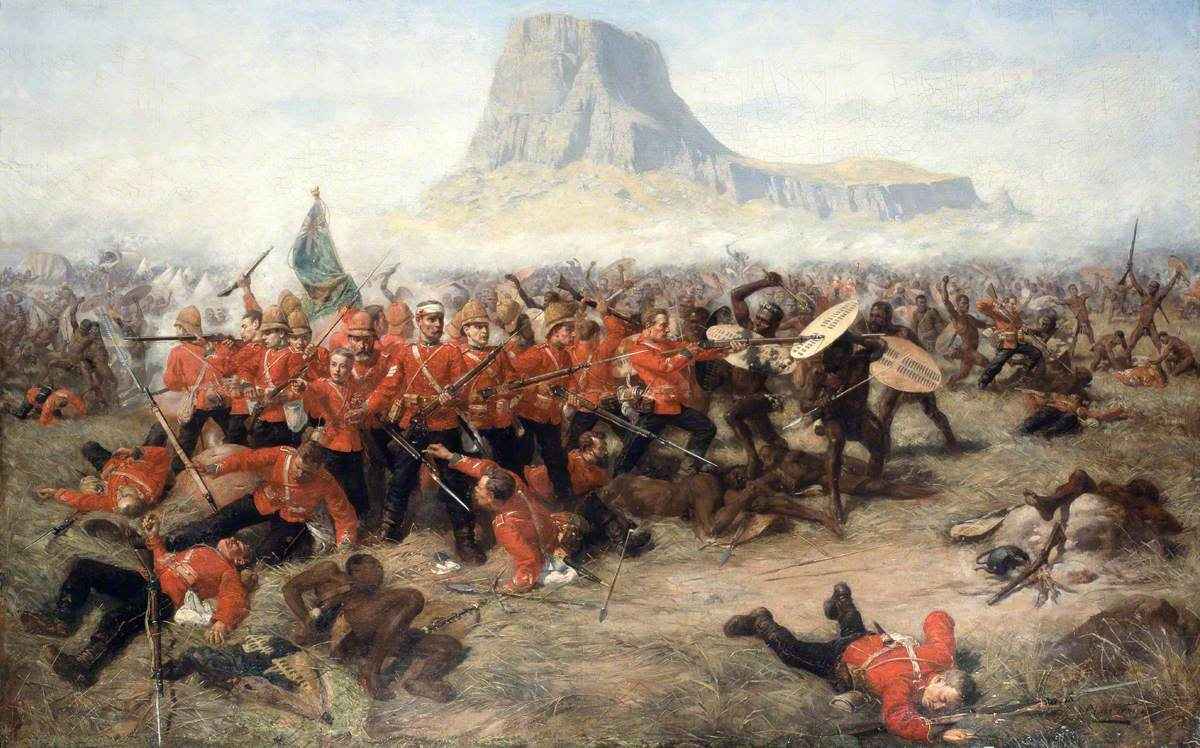
The Battle of Isandlwana, fought on 22 January 1879 in what is now KwaZulu-Natal, South Africa, was the most catastrophic defeat inflicted on the British Army during the entire Victorian era. A Zulu force of roughly 20,000 warriors, commanded under the overall strategy of King Cetshwayo kaMpande, encircled and destroyed a column of approximately 1,800 British and allied troops, killing around 1,300 of them in just a few hours. The disaster stunned Britain, upended the invasion of Zululand, and forced a fundamental rethink of how European powers underestimated African military capability.
What Caused the Anglo-Zulu War and the March to Isandlwana?
The battle was the direct consequence of a war engineered by Sir Bartle Frere, British High Commissioner for Southern Africa, who issued an impossible ultimatum to King Cetshwayo on 11 December 1878. Frere demanded the Zulu kingdom disband its standing army and accept a British resident — demands he knew Cetshwayo could not accept. His goal was to confederate South Africa under British rule. On 11 January 1879, Lord Chelmsford's British forces crossed the Buffalo River into Zululand in three columns. The Centre Column, which Chelmsford personally accompanied, camped at the foot of the rocky outcrop called Isandlwana on 20 January, fatally failing to fortify the camp with wagons as regulations required.
How Did the Zulu Army Defeat the British at Isandlwana?
The Zulu impi of roughly 20,000 men, assembled for a pre-war ceremony at oNdini, had been marching to intercept Chelmsford's column. On the morning of 22 January, British cavalry scouts stumbled upon the main army hidden in a ravine. The warriors immediately charged, deploying their classic 'bull horn' formation: a central 'chest' to pin the enemy while two 'horns' swept around both flanks. Chelmsford, deceived by a feint, had ridden out with half the force that morning, leaving Lieutenant Colonel Henry Pulleine in command of an under-strength camp. The British line briefly held with volley fire, but a disputed ammunition supply problem — likely caused by confusion rather than locked boxes — slowed the rate of fire. The left horn enveloped the camp by midday; by 3:00 p.m. resistance had collapsed. Of the 1,800 men in camp, approximately 1,300 were killed, including 52 officers. Zulu casualties were also severe, estimated at 1,000–2,000 dead.

| Factor | British (Centre Column) | Zulu Impi |
|---|---|---|
| Strength | ~1,800 troops | ~20,000 warriors |
| Commander on field | Lt. Col. Henry Pulleine | Ntshingwayo kaMahole |
| Key advantage | Martini-Henry rifles | 'Bull horn' encirclement tactic |
| Casualties | ~1,300 killed | ~1,000–2,000 killed |
| Outcome | Total defeat | Decisive victory |
What Was the Legacy and Historical Significance of Isandlwana?
Isandlwana sent shockwaves through the British Empire. Parliament debated it furiously; Frere was censured; Chelmsford was eventually replaced by General Garnet Wolseley. The British poured reinforcements into Zululand and defeated the Zulu kingdom at the Battle of Ulundi on 4 July 1879, after which Cetshwayo was captured. Yet the victory at Isandlwana endured as a symbol of Zulu military genius and African resistance. The battlefield is today a protected heritage site in South Africa, and 22 January is commemorated annually. Isandlwana permanently eroded the myth of European military invincibility and remains one of the most studied engagements in colonial military history.