
Many countries have a national sport stadium, which typically serves as the primary or exclusive home for one or more of a country's national representative sports teams. The term is most often used in reference to an association football stadium. Usually, a national stadium will be in or very near a country's capital city or largest city. It is generally (but not always) the country's largest and most lavish sports venue with a rich history of hosting a major moment in sports (e.g. FIFA World Cup, Olympics, etc.). In many, but not all cases, it is also used by a local team. Many countries, including Spain and the United States, do not have a national stadium designated as such; instead matches are rotated throughout the country. The lack of a national stadium can be seen as advantageous as designating a single stadium would limit the fan base capable of realistically attending matches as well as the concern of the cost of transportation, especially in the case of the United States due to its geographical size and high population.
A list of national stadiums follows:
Afghanistan
Ghazi Amanullah International Cricket Stadium (cricket)

National Stadium (football)
Albania
Arena Kombëtare
Algeria
Stade 5 Juillet 1962 (football)

American Samoa
Veterans Memorial Stadium (football)
Andorra
Estadi de la FAF (football)
Poliesportiu d'Andorra (basketball and roller hockey)
Angola
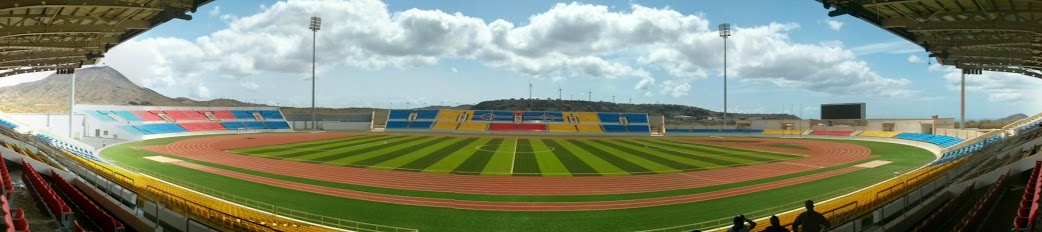
Estádio 11 de Novembro (football)
Antigua and Barbuda
Antigua Recreation Ground (cricket and football)
Argentina
Estadio Único (football) – since 2025
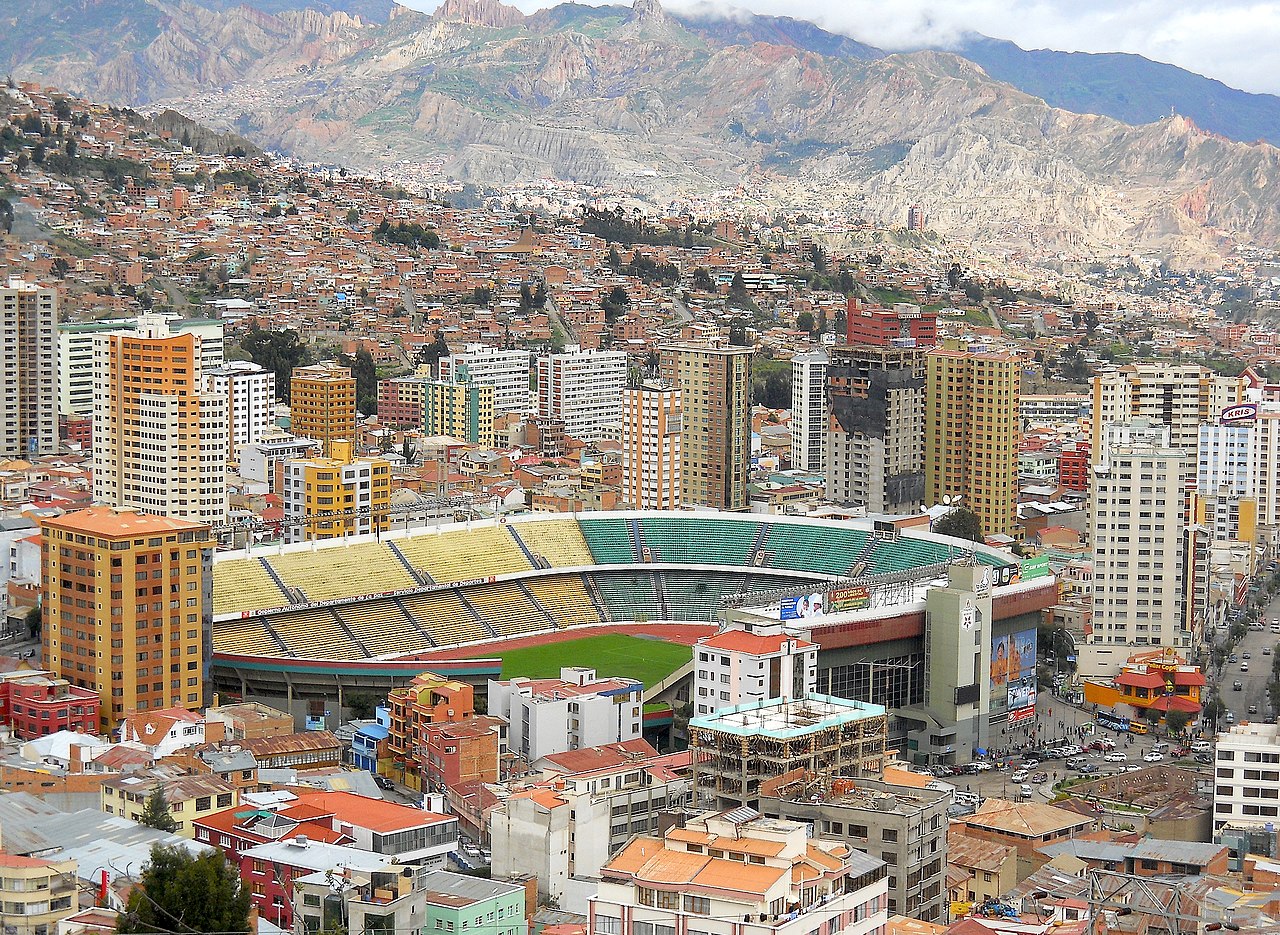
Estadio Multipropósito Parque Roca (basketball and tennis)
Estadio Nacional de Hockey (field hockey)
Campo Argentino de Polo (polo)

CeNARD (athletics)
Estadio José Amalfitani, also known as Vélez Sársfield (rugby union)—Although the national team plays Tests at several venues around the country, most of their home Tests against teams in the Six Nations and Tri Nations are held here.
Armenia
Hrazdan Stadium (football)
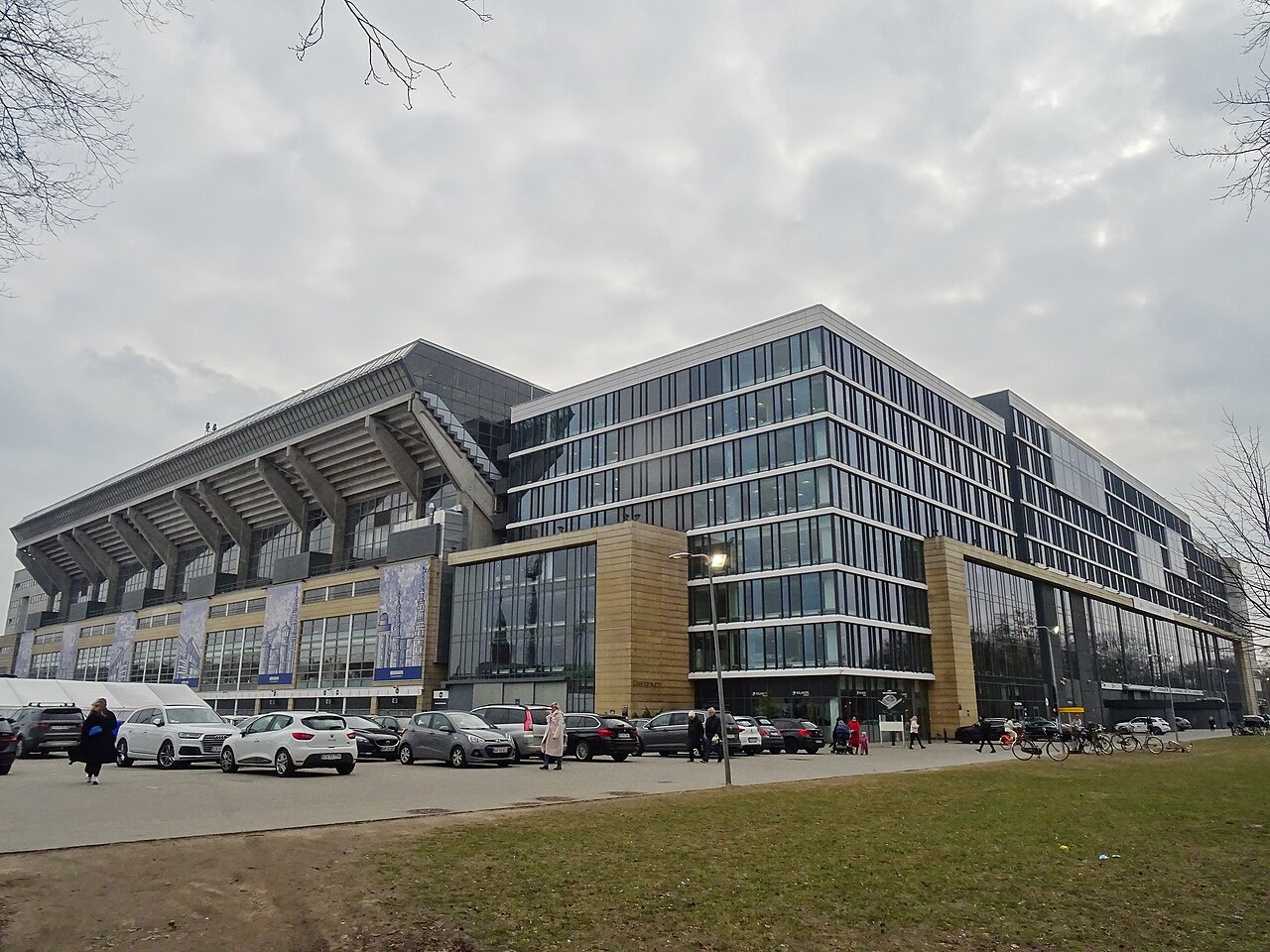
Vazgen Sargsyan Republican Stadium (football)
Aruba
Trinidad Stadium (football and athletics)
Australia
Australia does not have an official national stadium. The country's two largest stadiums, which host major domestic and international events, are:
Melbourne Cricket Ground (Melbourne) – primarily used for cricket and Australian rules football, the MCG has notably hosted the 1956 Summer Olympics (opening and closing ceremonies), the 1992 and 2015 Cricket World Cup finals, and the 2006 Commonwealth Games (opening and closing ceremonies).
Stadium Australia (Sydney) – primarily used for rugby league, rugby union, and association football, Stadium Australia has notably hosted the 2000 Summer Olympics (opening and closing ceremonies), the 2003 Rugby World Cup final, and the 2023 FIFA Women's World Cup final.
Austria
Ernst Happel Stadion (football)
Azerbaijan
Baku National Stadium (football)
Bahamas
Thomas Robinson Stadium (football and athletics)
Bahrain
Bahrain National Stadium (football)
Bangladesh
National Stadium, Dhaka (football and athletics)
Sher-e-Bangla National Cricket Stadium (cricket)
Barbados
Aquatic Centre (artistic swimming, swimming, and water polo)
Barbados National Stadium (football, outdoor track and field)
Belarus
Dinamo Stadium (football and athletics)
National Football Stadium (football)
Belgium
King Baudouin Stadium (football and athletics)
Belize
FFB Stadium (football)
Benin
Stade de l'Amitié (football)
Bermuda
Bermuda National Stadium (football, rugby union, athletics and cricket)
Bhutan
Changlimithang Stadium (football and archery)