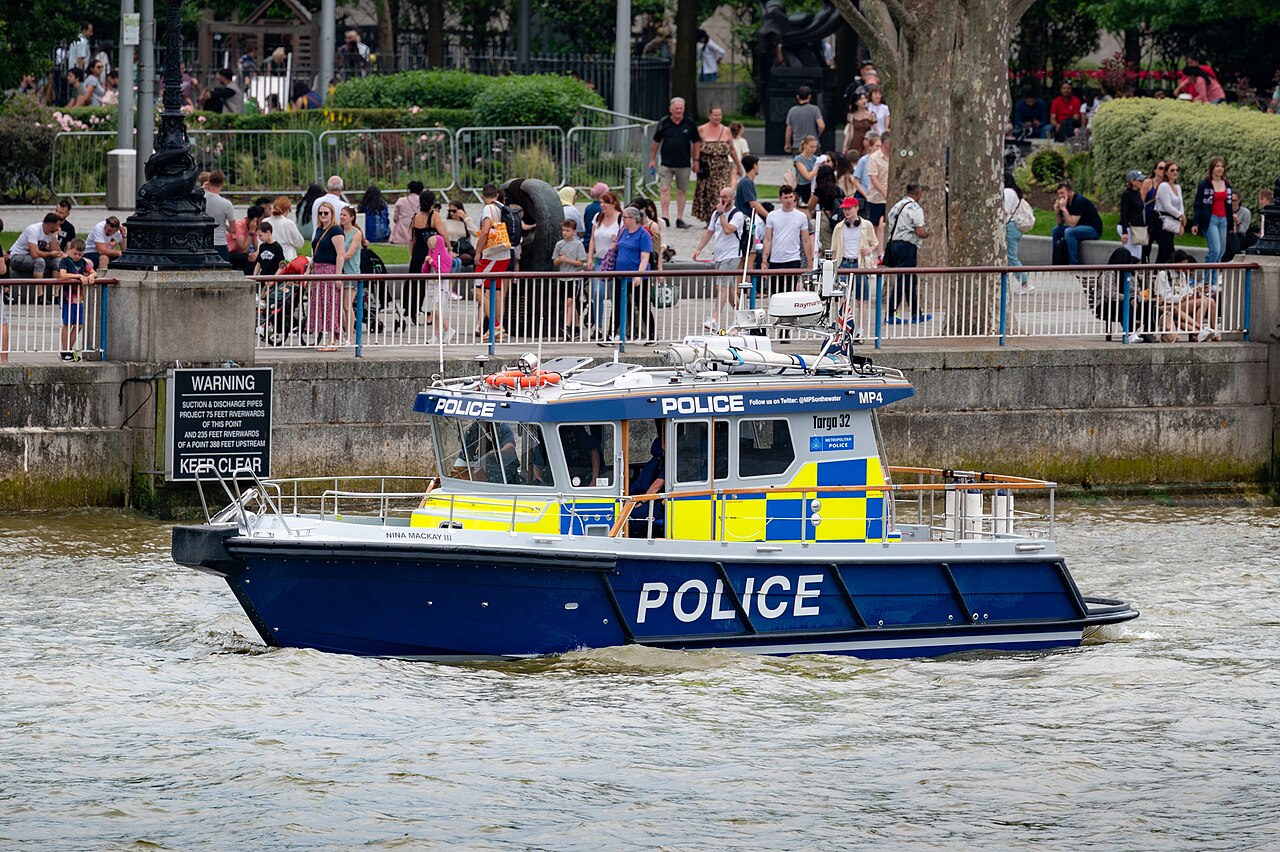
The River Thames is a 215-mile (346 km) river flowing eastward through southern England, rising at Thames Head in the Cotswolds and emptying into the North Sea at the Thames Estuary. It is the longest river entirely within England and the second-longest in the United Kingdom after the River Severn. For more than two millennia it has served as the commercial, political, and cultural spine of the nation — carrying Roman legions, Tudor monarchs, Victorian trade, and today over 400 million litres of drinking water to London every day.
What Are the Key Facts and Geography of the River Thames?
The Thames rises at a spring called Thames Head near Kemble, Gloucestershire, at an elevation of roughly 110 metres (361 ft). It passes through Oxford, Reading, Windsor, and Richmond before cutting through central London and broadening into a tidal estuary east of Teddington Lock — the point where tidal influence begins. The river drains a catchment area of approximately 9,948 square miles (25,760 sq km). At its widest, near Gravesend in Kent, it stretches to about 5 miles (8 km) across. More than 200 bridges cross its course, including the iconic Tower Bridge (opened 1894) and the historic London Bridge, which has occupied roughly the same spot since Roman times. The Thames is home to over 115 species of fish, including salmon that returned after the river was declared 'biologically dead' in the 1950s — a remarkable ecological recovery achieved through strict pollution controls introduced from the 1960s onward.
How Did the Thames Shape London's History?
The Romans founded Londinium around AD 43 on the north bank of the Thames, exploiting its position as the lowest practical crossing point while remaining accessible to ocean-going vessels. The river became the artery of medieval and early modern trade: by the 17th century, the Pool of London — the stretch between London Bridge and Limehouse — was the busiest port in the world, with over 1,700 ships docking annually by 1700. The Thames also shaped political history. Magna Carta was signed at Runnymede on its banks in June 1215. The Palace of Westminster, seat of Parliament, stands directly on its north bank. During the Great Frost of 1683–84, the river froze so solidly that a 'Frost Fair' was held on the ice, complete with ox-roasting and printing presses. The Victorian era brought the 'Great Stink' of 1858, when raw sewage in the river became so overpowering that Parliament was forced to fund Joseph Bazalgette's revolutionary sewer system — an engineering feat that saved countless lives and transformed urban sanitation worldwide.

Key Landmarks and Milestones Along the Thames
| Landmark / Feature | Location | Significance |
|---|---|---|
| Thames Head (source) | Kemble, Gloucestershire | Origin of the river, elevation ~110 m |
| Oxford | Oxfordshire | Historic university city; Isis name used here |
| Runnymede | Surrey | Magna Carta signed, June 1215 |
| Windsor Castle | Berkshire | Royal residence since William the Conqueror |
| Teddington Lock | London Borough of Richmond | Tidal limit of the Thames |
| Tower Bridge | Central London | Iconic bascule bridge, opened 1894 |
| The Thames Barrier | Woolwich, London | Flood defence, operational since 1982 |
| Thames Estuary | Essex/Kent coast | Widens to 5 miles; meets the North Sea |