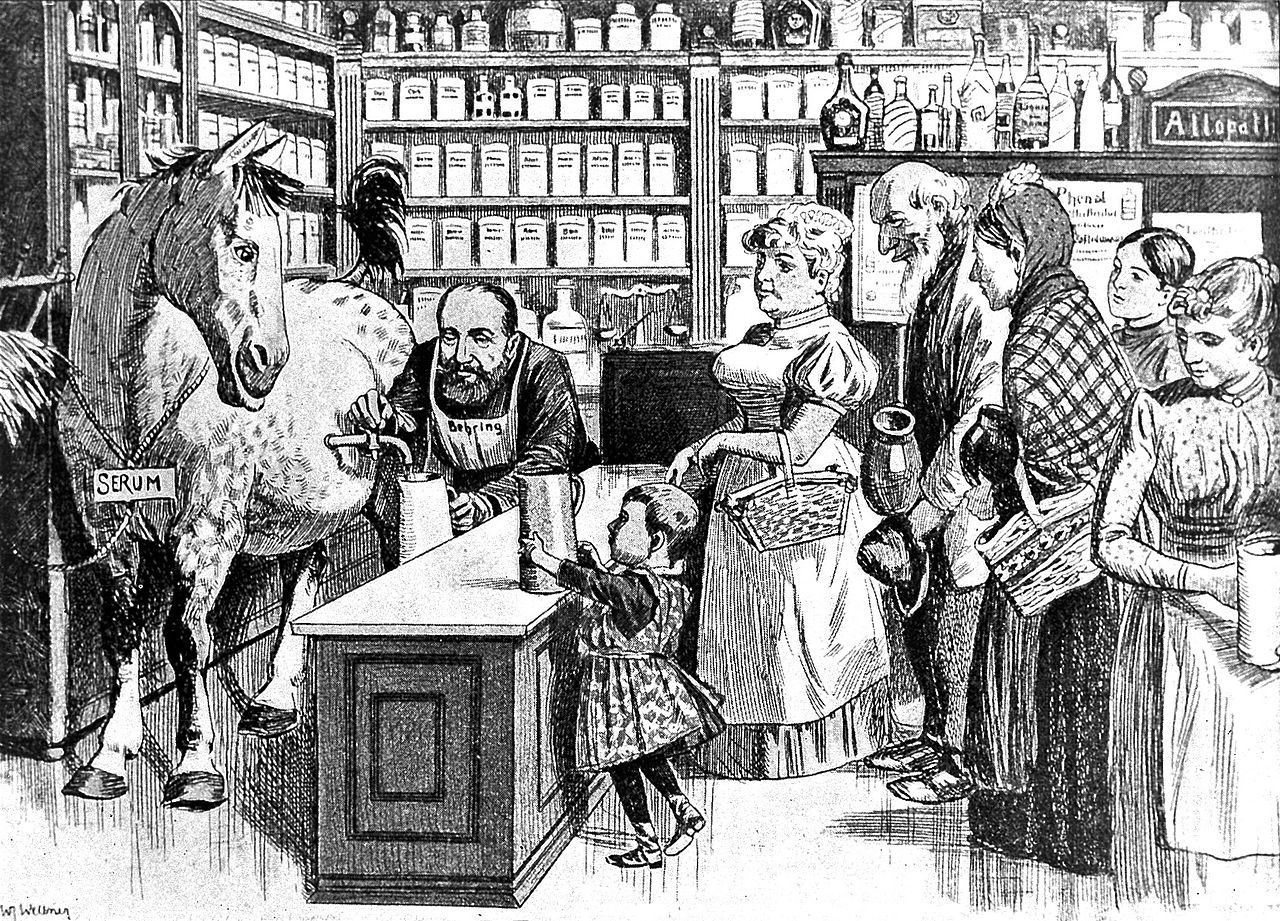
Vaccination is the process of introducing a harmless form of a pathogen — or its components — into the body to stimulate immunity without causing disease. Pioneered by English physician Edward Jenner in 1796, vaccines have since eradicated smallpox, nearly eliminated polio, and are estimated to save 4–5 million lives every year, making them the single most effective public health intervention in history.
How Did Vaccination Begin? Edward Jenner and the Smallpox Breakthrough
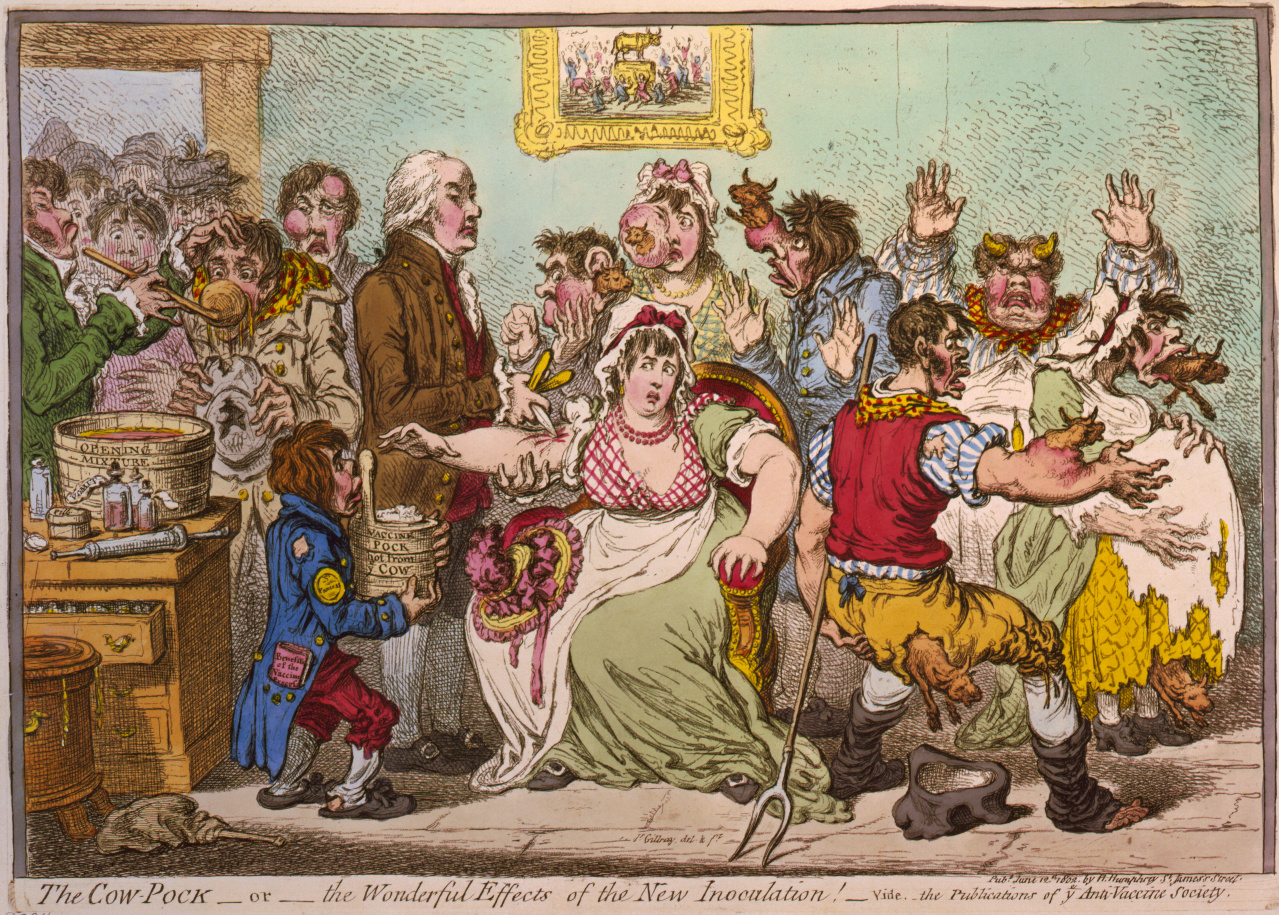
Long before germ theory was understood, people in China and the Ottoman Empire practised 'variolation' — deliberately exposing individuals to material from mild smallpox cases to confer protection. Lady Mary Wortley Montagu brought the technique to Britain in 1721. However, the true scientific foundation of vaccination was laid on 14 May 1796, when Edward Jenner injected eight-year-old James Phipps with cowpox (Vaccinia) and later proved the boy was immune to smallpox. Jenner published his findings in 1798, and within decades vaccination programmes had spread across Europe and North America. The word 'vaccine' itself derives from the Latin 'vacca' (cow), honouring Jenner's bovine breakthrough.
Key Milestones: How Vaccines Evolved from Jenner to mRNA
| Year | Vaccine / Milestone | Key Figure |
|---|---|---|
| 1796 | First smallpox vaccine | Edward Jenner |
| 1885 | Rabies vaccine developed | Louis Pasteur |
| 1921 | BCG tuberculosis vaccine introduced | Calmette & Guérin |
| 1955 | Inactivated polio vaccine licensed | Jonas Salk |
| 1963 | Measles vaccine licensed in the US | John Enders |
| 1980 | WHO declares smallpox eradicated | Global health community |
| 1998 | First rotavirus vaccine approved | FDA / Merck |
| 2021 | mRNA COVID-19 vaccines deployed globally | BioNTech/Pfizer, Moderna |
How Do Vaccines Work? The Science of Immunity Explained
Vaccines work by training the immune system to recognise and fight specific pathogens. Traditional vaccines use weakened (attenuated) or killed pathogens, or isolated proteins from their surface. When injected, these trigger B-cells to produce antibodies and create memory cells that persist for years or decades. Modern mRNA vaccines — like those developed against COVID-19 by BioNTech/Pfizer and Moderna — take a different approach: they deliver genetic instructions that cause the body's own cells to produce a harmless viral protein (the spike protein), provoking an immune response without any viral material entering the body. Contrary to popular myth, mRNA does not enter the cell nucleus and cannot alter DNA.
Why Is Vaccination So Important? The Impact on Global Disease
The numbers speak for themselves. Smallpox killed an estimated 300 million people in the 20th century alone before eradication in 1980. Polio once paralysed hundreds of thousands of children annually; today it persists in fewer than a handful of countries. The measles vaccine has prevented over 21 million deaths since 2000, according to the WHO. Herd immunity — achieved when roughly 70–95% of a population is immune — protects even those who cannot be vaccinated, such as newborns and immunocompromised individuals. Vaccine hesitancy, declared a top global health threat by the WHO in 2019, remains the principal barrier to achieving these thresholds worldwide.