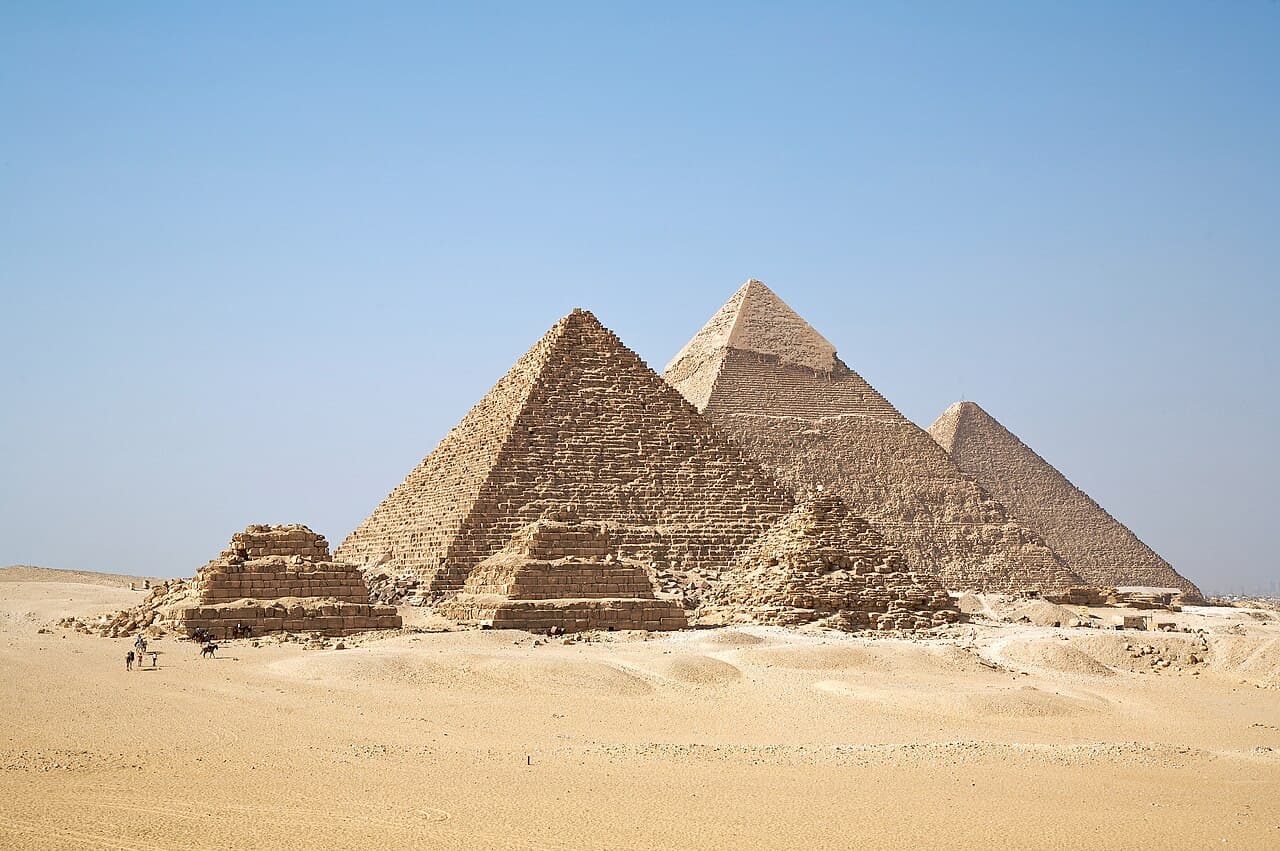
No civilization in human history has captured the collective imagination quite like Ancient Egypt. From the shadow of the Great Pyramid at Giza to the gilded mask of Tutankhamun, from the cryptic hieroglyphs carved into temple walls to the legend of Cleopatra, Egypt's ancient world pulses with a vitality that refuses to be buried. It was a civilization that lasted longer than the gap between the fall of Rome and the present day — a culture so durable, so innovative, and so profoundly human that its fingerprints are embedded in modern medicine, architecture, mathematics, and religion.
The Gift of the Nile
The Greek historian Herodotus famously called Egypt 'the gift of the Nile,' and the phrase has never lost its truth. The Nile River — the world's longest, stretching over 6,650 kilometers — was the lifeblood of an otherwise unforgiving desert landscape. Each year, between June and September, the river flooded its banks, depositing a rich layer of dark silt across the floodplain. Ancient Egyptians called this fertile black earth 'Kemet' — the Black Land — in contrast to 'Deshret,' the Red Land of the barren desert beyond. This annual renewal made Egypt one of the most agriculturally productive regions of the ancient world, capable of feeding millions of people and generating the surplus wealth that built pyramids, temples, and empires.
The civilization that emerged along the Nile's banks did so with startling speed. By around 3100 BC, the legendary Pharaoh Narmer — sometimes identified with Menes — unified Upper and Lower Egypt into a single kingdom, an act commemorated on the famous Narmer Palette, one of the earliest historical documents ever discovered. From that moment, a continuous royal tradition endured through thirty-one dynasties across three major periods: the Old Kingdom, the Middle Kingdom, and the New Kingdom.
Monuments to Eternity: The Age of the Pyramids
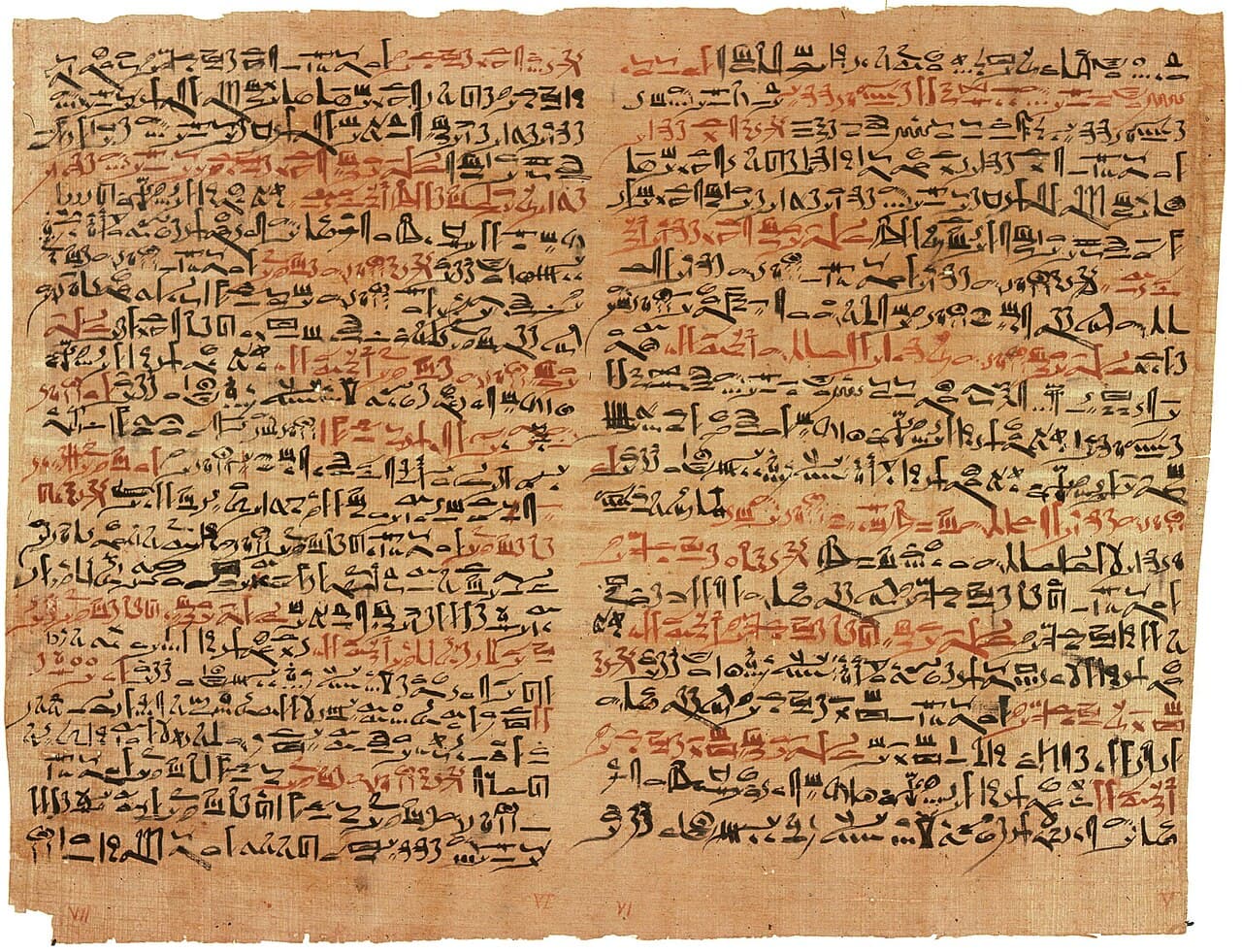
The Old Kingdom (c. 2686–2181 BC) is the era most people picture when they think of ancient Egypt — a world of pharaohs who were living gods, of massive construction projects, and of a society utterly organized around the concept of eternal life. It was during this period that the great pyramid complexes of Giza were built under pharaohs Khufu, Khafre, and Menkaure. The Great Pyramid of Khufu, completed around 2560 BC, stood 146.6 meters tall and remained the tallest man-made structure on Earth for nearly 3,800 years. It was built by tens of thousands of skilled workers — not slaves, as popular myth suggests, but organized laborers who received wages, medical care, and honored burial grounds near the pyramid itself.
The pyramids were not merely tombs — they were theological statements. Egyptians believed that the pharaoh's ka, or life force, needed a durable physical home to survive death and ultimately unite with the gods. Every aspect of pyramid construction, from its precise cardinal alignment to the internal burial chambers stocked with food, clothing, and treasures, reflected a sophisticated theology of resurrection and cosmic order known as Ma'at — the principle of truth, justice, and harmony that underpinned all Egyptian society.
Science, Medicine, and the Written Word
Ancient Egypt's contributions to human knowledge are staggering. Egyptian physicians were among the earliest to practice medicine empirically, documenting symptoms, diagnoses, and treatments in papyri that survive to this day. The Edwin Smith Papyrus, dating to around 1600 BC but likely copied from a text a thousand years older, describes 48 surgical cases including brain injuries, fractures, and dislocations — with a rational, observational approach that foreshadows modern clinical medicine. Egyptian doctors understood that the heart was central to the circulatory system, recognized the brain's role in bodily function, and developed surgical instruments recognizable to modern eyes.
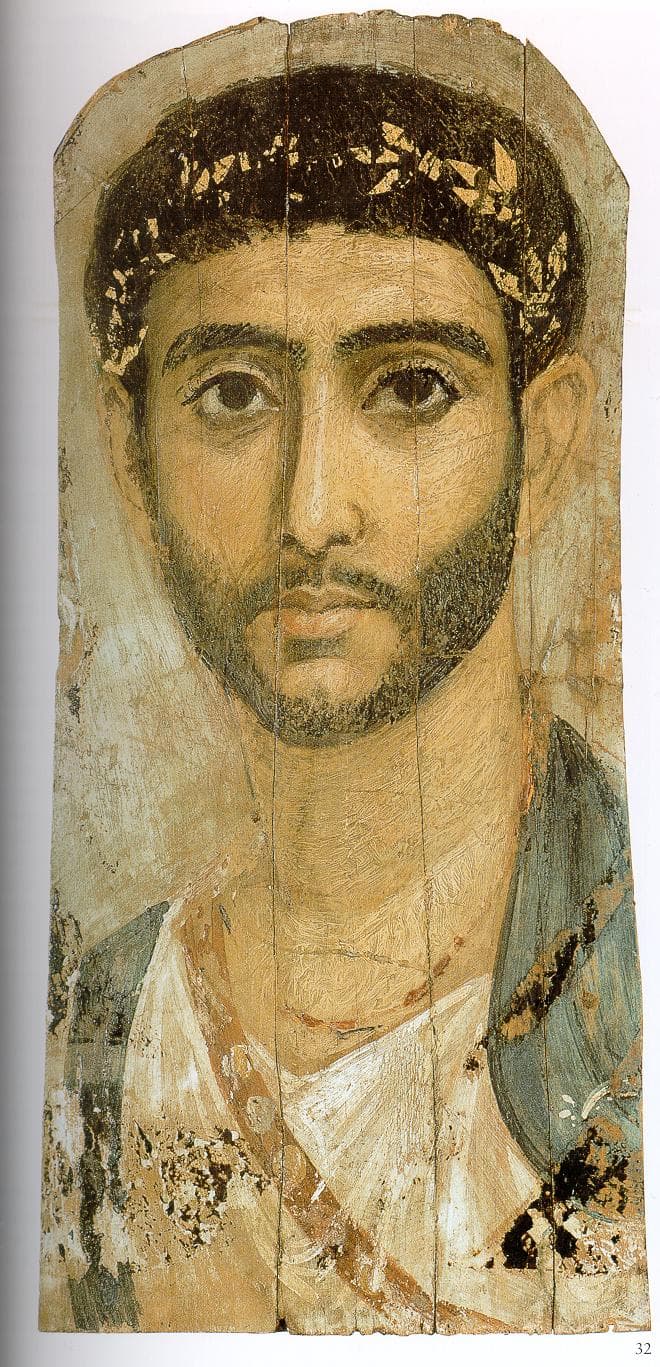
Hieroglyphic writing, developed around 3200 BC, was one of humanity's earliest writing systems, and it served not only administrative and religious functions but also literary ones. The Egyptians produced love poetry, wisdom literature, adventure stories, and elaborate religious texts. The Book of the Dead — more accurately titled 'The Book of Coming Forth by Day' — was a collection of spells and instructions designed to guide the deceased through the afterlife, a spiritual GPS for eternity. Egyptian mathematics, meanwhile, was sophisticated enough to calculate the volumes of pyramids and cylinders, laying groundwork that would eventually feed into Greek geometry and, through it, modern science.
Empire, War, and Diplomacy: The New Kingdom
The New Kingdom (c. 1550–1070 BC) represents ancient Egypt at the height of its imperial power. Following the humiliation of Hyksos occupation — foreign rulers from the Levant who controlled Lower Egypt for over a century — the pharaohs of the 18th dynasty launched a military renaissance. Ahmose I expelled the Hyksos, Thutmose III carved out an empire stretching from modern Sudan to Syria, and Ramesses II — the 'Great Ancestor' who ruled for 66 years — fought the Hittites to a standstill at the Battle of Kadesh in 1274 BC, an engagement that produced the world's oldest surviving peace treaty.
The New Kingdom also produced the most famous religious upheaval in Egyptian history. The so-called 'heretic pharaoh' Akhenaten abandoned Egypt's polytheistic tradition, dismantled the powerful priesthood of Amun, and declared the sun disk Aten the sole god. His experiment lasted barely seventeen years before his successors — including the young Tutankhamun — restored the old order. Tutankhamun, who died around age eighteen, would have been a historical footnote had British archaeologist Howard Carter not discovered his virtually intact tomb in November 1922, triggering a global wave of Egyptomania that endures to this day.
The Long Twilight and the Legacy That Never Died
Ancient Egypt did not die so much as transform. After the New Kingdom's decline, successive waves of Libyan, Nubian, Assyrian, Persian, and finally Greek rulers absorbed and adapted Egyptian culture rather than erasing it. When Alexander the Great conquered Egypt in 332 BC, he did so as a liberator from Persian rule, and he was crowned pharaoh at Memphis. The Ptolemaic dynasty he established blended Greek and Egyptian traditions for three centuries, producing the legendary Library of Alexandria — the ancient world's greatest repository of knowledge — before Rome absorbed the kingdom following the deaths of Antony and Cleopatra in 30 BC.
Yet even Roman Egypt kept the temples burning and the hieroglyphs flowing. The last known hieroglyphic inscription was carved at the temple of Philae in AD 394 — over 3,700 years after the script was first invented. Egypt's gods, architectural forms, and mathematical knowledge filtered into Greek, Roman, Islamic, and ultimately Western civilization. The calendar we use today descends, through Roman reforms, from the Egyptian solar calendar of 365 days. The obelisks that once flanked pharaonic temples now stand in Rome, Paris, London, and New York. Ancient Egypt is not history in the past tense — it is the present, carved in stone.
Key Pharaohs at a Glance
| Pharaoh | Dynasty / Period | Notable Achievement |
|---|---|---|
| Narmer | 1st Dynasty, c. 3100 BC | Unified Upper and Lower Egypt |
| Khufu (Cheops) | 4th Dynasty, c. 2589–2566 BC | Built the Great Pyramid of Giza |
| Hatshepsut | 18th Dynasty, c. 1473–1458 BC | Egypt's most successful female pharaoh; expanded trade |
| Thutmose III | 18th Dynasty, c. 1458–1425 BC | Extended empire to greatest territorial extent |
| Akhenaten | 18th Dynasty, c. 1353–1336 BC | Introduced monotheistic worship of Aten |
| Ramesses II | 19th Dynasty, c. 1279–1213 BC | Signed world's first peace treaty; prolific builder |
| Tutankhamun | 18th Dynasty, c. 1332–1323 BC | Restored old religion; tomb discovered intact in 1922 |
| Cleopatra VII | Ptolemaic, 51–30 BC | Last active ruler of ancient Egypt before Roman conquest |