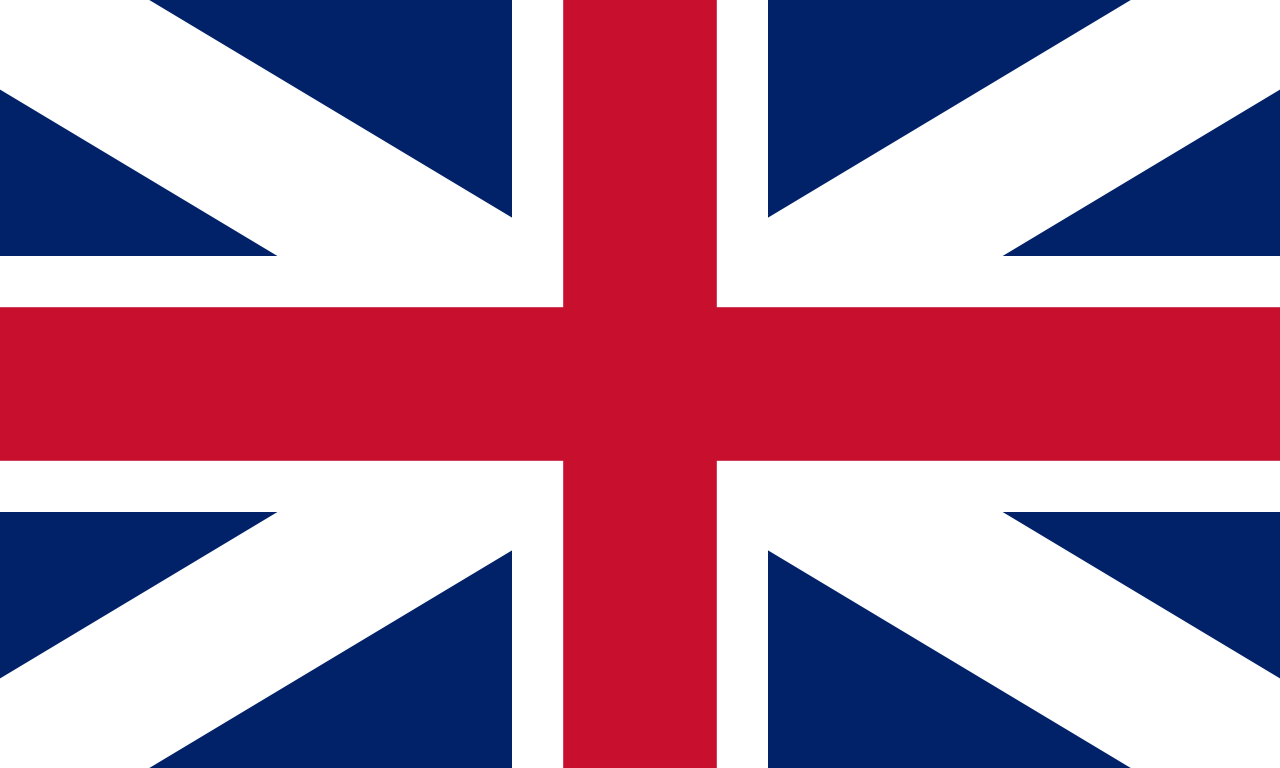
At its zenith in 1922, the British Empire stretched across approximately 13.7 million square miles — roughly a quarter of the Earth's total land surface — and governed some 458 million people. From the frozen tundra of Canada to the sun-scorched plains of Australia, from the jewel of India to the trading ports of Hong Kong and Singapore, the red-shaded territories on Victorian maps seemed to confirm a maxim that would become both a boast and a burden: the sun never set on the British Empire. No empire in human history had ever commanded such geographic reach, and none has since.
Origins: Sea Dogs, Colonies, and the First Empire
England's imperial ambitions were ignited in the late fifteenth century, partly in rivalry with the dominant maritime powers of Spain and Portugal. The Venetian-born explorer John Cabot, sailing under the English crown in 1497, reached the coast of North America — planting the seed of what would become a vast Atlantic enterprise. Yet the First British Empire, defined primarily by settlements in North America and the Caribbean, did not consolidate until the seventeenth century. The Virginia Company established Jamestown in 1607, the first permanent English settlement in the Americas. By mid-century, colonies stretched along the eastern seaboard of North America, sugar plantations flourished in Barbados and Jamaica, and the triangular trade — exporting manufactured goods to Africa, enslaved people to the Americas, and raw commodities back to Britain — had become a grotesque engine of imperial wealth.
The First Empire effectively ended with the American Revolutionary War. The thirteen colonies declared independence in 1776, and the Treaty of Paris in 1783 forced Britain to recognize the United States of America. It was a humiliation, but not a fatal one. British strategists, merchants, and administrators pivoted east with extraordinary speed.
The Second Empire: India, Asia, and Global Dominance
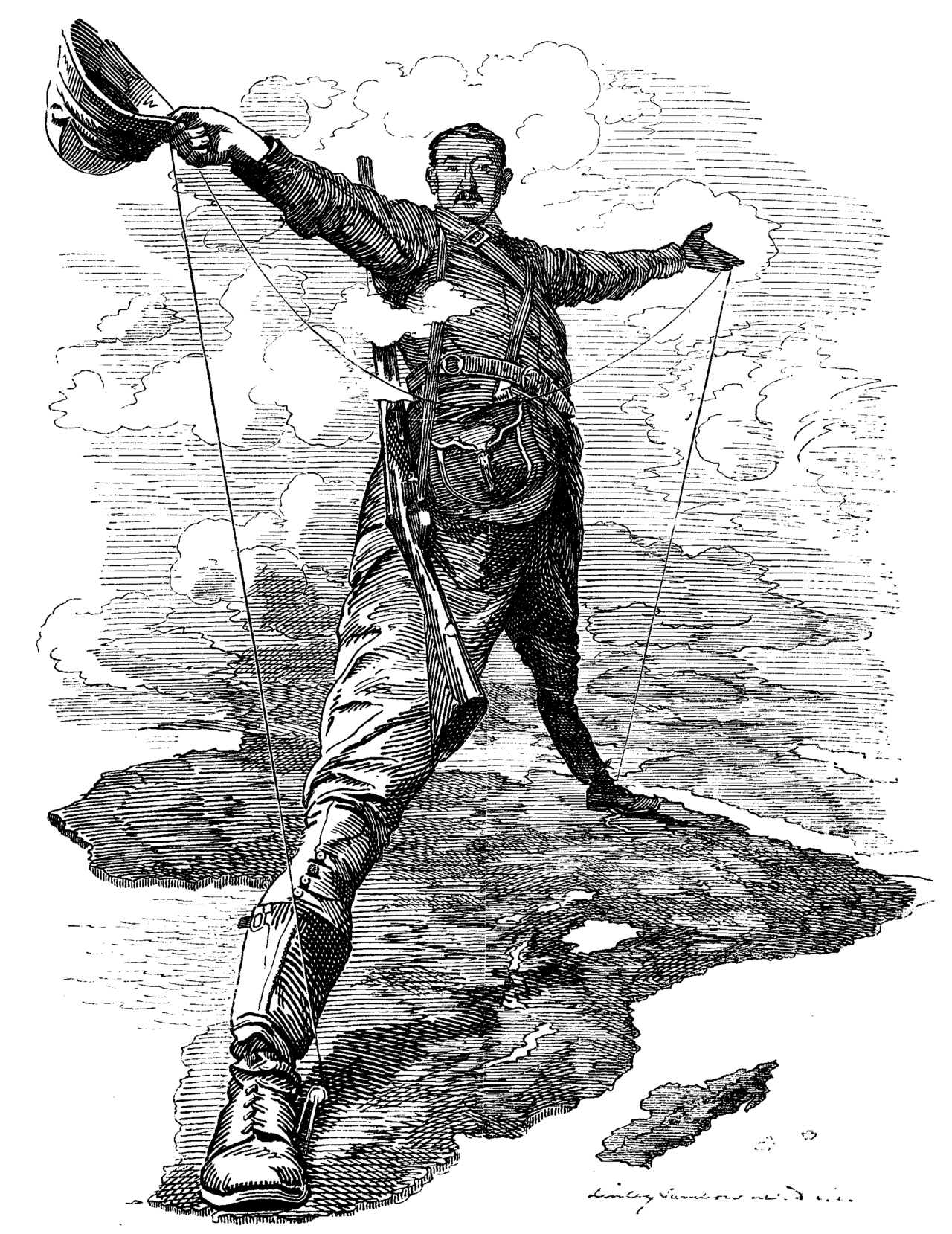
If the First Empire was built on tobacco and sugar, the Second was built on cotton, opium, and the extraordinary subcontinent of India. The British East India Company, chartered in 1600, had spent a century and a half establishing trading posts. After the Battle of Plassey in 1757 — where Company forces under Robert Clive decisively defeated the Nawab of Bengal — Britain began its political domination of India. By 1858, following the tumultuous Indian Rebellion of 1857 (which the British called the 'Sepoy Mutiny'), the Crown dissolved the East India Company and assumed direct control. Queen Victoria was proclaimed Empress of India in 1876, and India became the centerpiece of imperial identity — 'the jewel in the crown.'
Meanwhile, the Napoleonic Wars paradoxically expanded British power. As France and its allies tied themselves in European conflict, Britain seized strategic territories: Cape Colony in South Africa, Ceylon (modern Sri Lanka), Malta, and Mauritius. The Royal Navy, the most powerful maritime force in the world following the Battle of Trafalgar in 1805, guaranteed free passage for British commerce across every ocean. Free trade imperialism — compelling weaker nations to open their markets under the threat of naval force, as in the Opium Wars with China — extended British economic dominance far beyond territories formally colored red on the map.
The Scramble for Africa and the Height of Empire
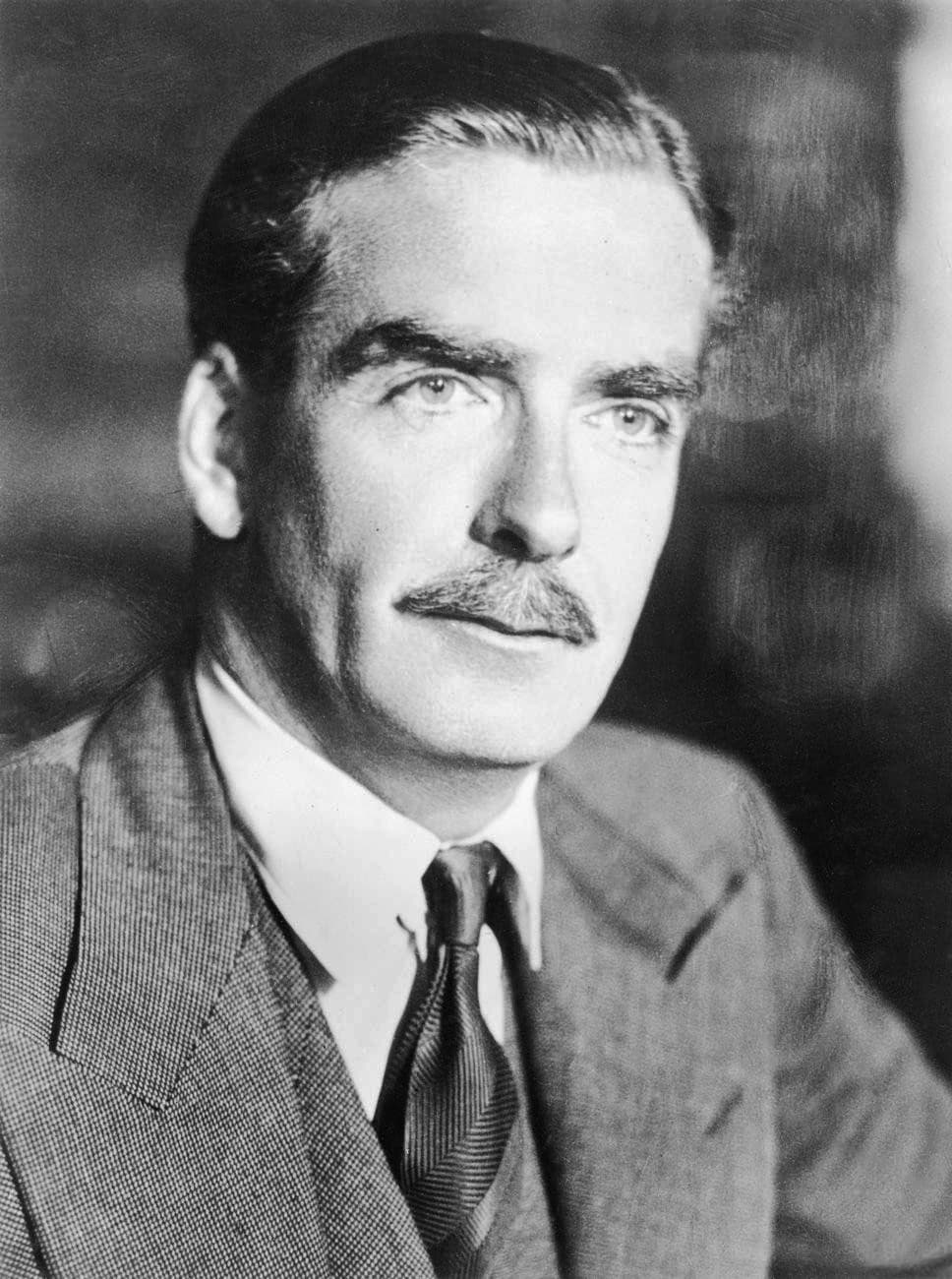
The late nineteenth century saw a dramatic acceleration of imperial expansion, particularly in Africa. The Berlin Conference of 1884–85, convened by Otto von Bismarck, attempted to regulate European colonization of the continent — an exercise conducted almost entirely without African input. Britain emerged from the 'Scramble for Africa' with vast new territories: Nigeria, Kenya, Uganda, Rhodesia (modern Zimbabwe and Zambia), and the eventual defeat of the Boer republics in South Africa after two costly wars (1880–81 and 1899–1902). Cecil Rhodes, the mining magnate and Cape Colony Prime Minister, famously dreamed of a continuous British corridor from 'Cape to Cairo.' By 1914, Britain controlled roughly 30% of Africa's population.
| Territory | Acquired | Present-Day Country |
|---|---|---|
| Virginia Colony | 1607 | United States |
| Bengal (India) | 1757 | India / Bangladesh |
| Cape Colony | 1806 | South Africa |
| Hong Kong | 1842 | China (SAR) |
| Nigeria | 1861–1914 | Nigeria |
| Kenya | 1895 | Kenya |
| Mandatory Palestine | 1920 | Israel / Palestine |
The Cost of Empire: Slavery, Famine, and Resistance
The British Empire's record of violence and exploitation is inseparable from its story of power. The transatlantic slave trade transported an estimated 3.1 million enslaved Africans under British ships between 1640 and 1807, when Parliament finally abolished the trade — though not slavery itself, which continued in British colonies until 1834. Compensation paid upon emancipation went not to the enslaved, but to slave owners: a sum of £20 million (equivalent to billions in today's money), a debt so large that British taxpayers only finished repaying it in 2015.
In India, critics — most notably Nobel laureate economist Amartya Sen and historian Mike Davis — have documented how British economic policies contributed to catastrophic famines. The Great Bengal Famine of 1770 killed an estimated 10 million people; famines in the 1870s and 1890s, during which grain continued to be exported from India, may have killed between 12 and 29 million. The British response was frequently ideological rather than humanitarian, with administrators adhering to free-market principles even as populations starved. Resistance was constant: from the 1857 uprising in India to the Zulu Wars, the Mau Mau rebellion in Kenya, and Gandhi's independence movement, empire was never passively accepted.
Decline and Decolonization
The two World Wars fundamentally undermined the empire's foundations. Britain emerged from the First World War victorious but financially hollowed out, having borrowed heavily from the United States. The Second World War was even more devastating. Churchill's government pledged independence to India as a wartime incentive; by 1947, the jewel in the crown was gone. Partition created India and Pakistan in one of history's bloodiest migrations, displacing 14 million people and killing up to 2 million. The 1956 Suez Crisis — in which Britain and France attempted to retake the nationalized Suez Canal, only to be forced back by American pressure — marked the unmistakable end of Britain as a first-rank global power.

The late 1950s and 1960s saw a rapid wave of decolonization across Africa, the Caribbean, and Southeast Asia. Prime Minister Harold Macmillan's 1960 'Wind of Change' speech in Cape Town acknowledged the inevitable tide of African nationalism. Hong Kong, the last major colonial possession, was handed back to China in 1997. Today, 14 British Overseas Territories remain — from Gibraltar to the Falkland Islands — but they are remnants, not an empire.
Legacy: A World Remade
The British Empire's legacy is written into the modern world in ways both profound and contentious. The English language is today spoken by over 1.5 billion people, a direct consequence of imperial reach. Parliamentary democracy, common law, and railway infrastructure were implanted — sometimes beneficially, often forcibly — across continents. The borders of dozens of modern nations, many of them arbitrary lines drawn by colonial administrators with little regard for ethnic, linguistic, or cultural geography, continue to generate conflict. Debates about reparations, the return of looted cultural artifacts (including the Elgin Marbles and the Koh-i-Noor diamond), and the honest teaching of imperial history remain fiercely contested. To understand the modern world — its inequalities, its institutions, its conflicts — one must reckon with the British Empire.