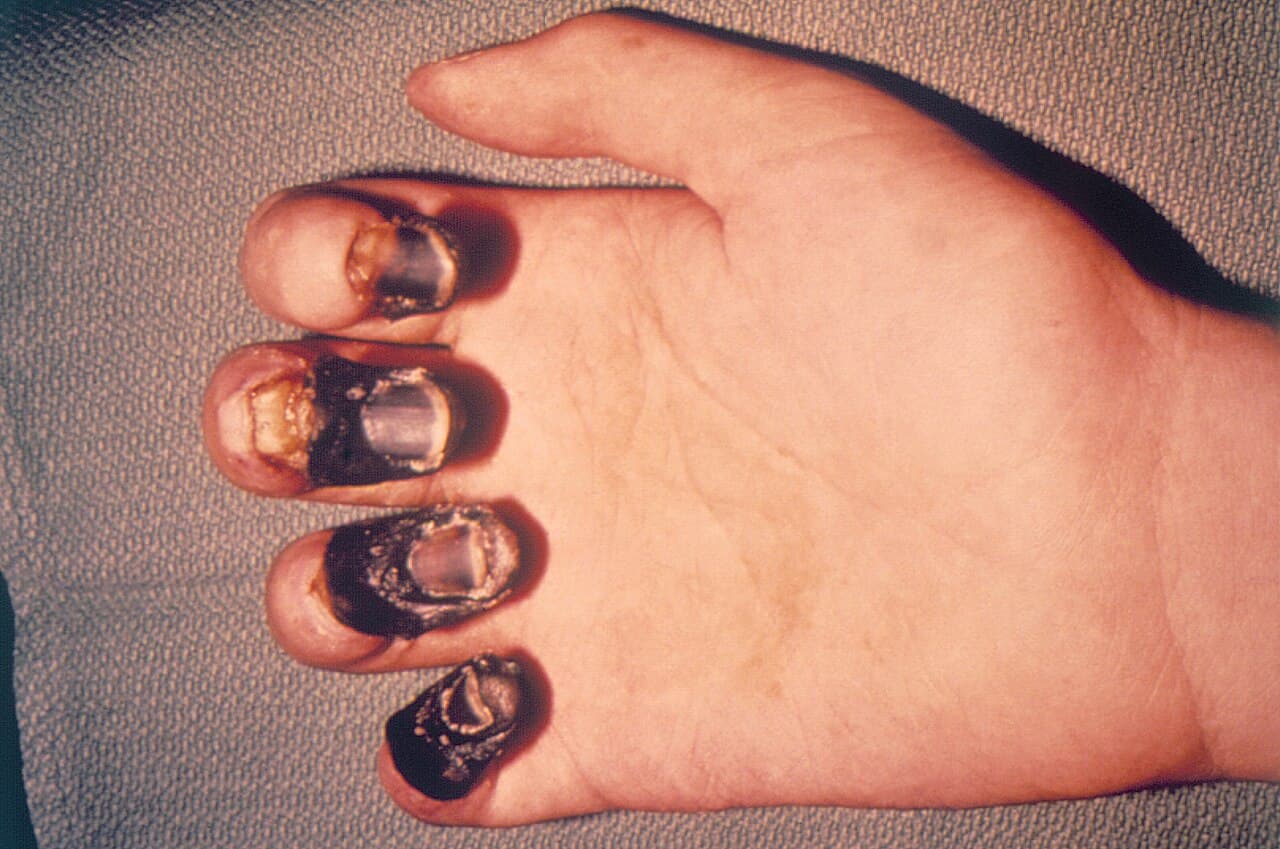
In the autumn of 1347, twelve Genoese trading ships docked at the Sicilian port of Messina. When port officials boarded the vessels, they were met with a scene of horror: most of the sailors were dead, and those still alive were covered in black, pus-filled boils that oozed blood and pus. The ships were ordered back out to sea immediately, but it was already too late. The Black Death had arrived in Europe.
What followed over the next six years was the most catastrophic pandemic in recorded human history. The plague swept across the Mediterranean, through the heart of Europe, and into Scandinavia and Russia, killing an estimated 75 to 200 million people worldwide. In Europe alone, between one-third and one-half of the entire population perished. No war, famine, or natural disaster before or since has claimed lives at such a staggering rate in so short a time.
Origins: A Disease Born on the Steppe
Modern genetic and archaeological research has traced the Black Death to its likely origin in Central Asia, probably in the region of present-day Kyrgyzstan, where ancient cemeteries dating to 1338–1339 show a sudden spike in mortality with inscriptions referencing a mysterious pestilence. The disease was caused by the bacterium Yersinia pestis, which lives in fleas carried by rodents—particularly the black rat. It spread along the vast Silk Road trading networks that connected China and Central Asia to the Middle East and Europe.
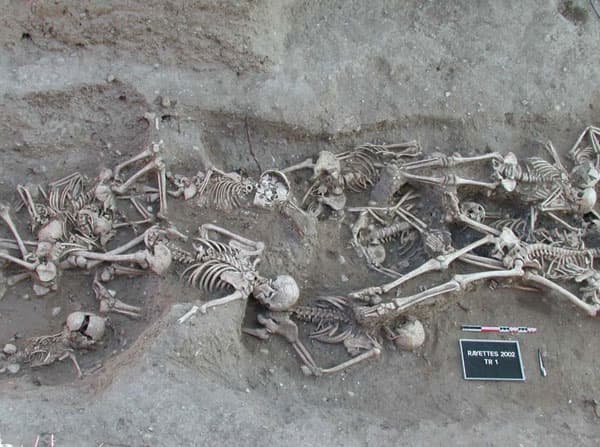
A pivotal moment in the disease's westward journey came in 1346, during the Mongol siege of Caffa (modern Feodosia, in Crimea), a Genoese trading outpost on the Black Sea. According to chronicler Gabriele de' Mussi, the besieging Mongol army—itself riddled with plague—catapulted infected corpses over the city walls. The terrified Genoese merchants fled by ship, carrying the disease to Constantinople, Sicily, and ultimately the ports of Italy. Whether or not this account is entirely accurate, the Black Sea trade routes were unquestionably the conduit that brought the plague to Europe.
The Three Forms of the Plague
The Black Death manifested in three closely related but distinct forms. Bubonic plague, the most common, was transmitted through flea bites and produced the signature swollen lymph nodes—called buboes—in the groin, armpits, and neck. These blackened as they filled with necrotic tissue, giving the disease its grim name. Without treatment, it killed roughly 30–60% of those infected. Pneumonic plague, spread through airborne respiratory droplets, attacked the lungs and was nearly always fatal if left untreated. Septicemic plague, the rarest form, entered the bloodstream directly, causing skin to blacken and death to occur within hours—sometimes before any other symptoms appeared.
| Form | Transmission | Mortality Rate (untreated) | Key Symptom |
|---|---|---|---|
| Bubonic | Flea bites | 30–60% | Swollen, blackened lymph nodes (buboes) |
| Pneumonic | Airborne droplets | 90–95% | Bloody coughing, lung failure |
| Septicemic | Direct bloodstream entry | Near 100% | Blackened skin, rapid organ failure |
The Spread Across Europe
From Sicily, the plague spread to the Italian mainland with terrifying speed. Florence lost perhaps 60% of its population within months. The Florentine writer Giovanni Boccaccio, who witnessed the carnage firsthand, described corpses piled in the streets and the complete breakdown of social order in the preface to his masterwork, the Decameron. 'How many valiant men, how many fair ladies, breakfasted with their kinfolk and that same night supped with their ancestors in the next world,' he wrote.
The disease moved north and west through France, killing an estimated one-third of the French population. It ravaged Paris, then leapt across the English Channel, arriving in England in the summer of 1348. By 1350 it had reached Scandinavia—carried, legend has it, aboard a ghost ship found drifting off the coast of Norway with its entire crew dead. Russia fell in 1351. Few corners of the continent were spared. Some isolated communities, including parts of Poland and Milan, survived largely through aggressive quarantine measures—Milan sealed infected houses and their inhabitants inside, a brutal but arguably effective strategy.
Social and Religious Upheaval
The Church, which had been the bedrock of medieval European society, was shaken to its foundations. Priests who administered last rites died alongside their parishioners. Monasteries were decimated. When prayers and processions failed to stop the dying, many questioned the power—or even the existence—of a merciful God. Some turned to frenzied piety: flagellant movements, in which roving bands of men publicly whipped themselves to atone for humanity's sins, swept through Germany and the Low Countries.
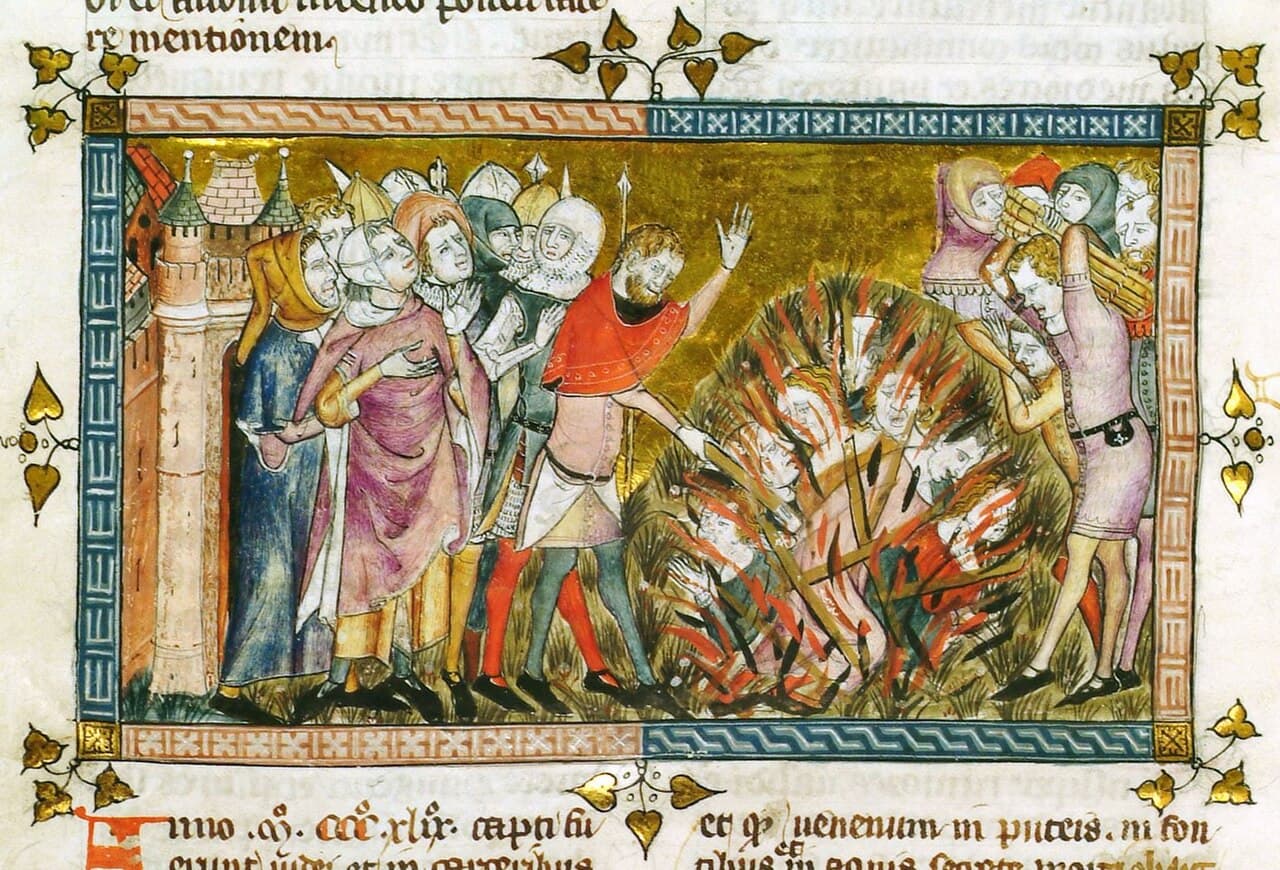
Others looked for scapegoats. Jewish communities across Europe were accused of poisoning wells and causing the plague, despite Pope Clement VI issuing two papal bulls condemning the accusations as false. Pogroms erupted across France, Germany, and the Holy Roman Empire. In Strasbourg in February 1349, approximately 2,000 Jews were burned alive. The Black Death unleashed some of the worst antisemitic violence in European history before the twentieth century.
The Aftermath: A World Transformed
For all its horror, the Black Death set in motion profound changes that shaped the modern world. With labor suddenly scarce, surviving peasants found themselves in an unprecedented position of economic power. Serfdom began to collapse across Western Europe as lords competed for workers. Wages rose dramatically, fueling resentment among the nobility and contributing to revolts such as the English Peasants' Revolt of 1381 and the French Jacquerie of 1358.
The plague also accelerated the development of public health infrastructure. Italian city-states pioneered the concept of quarantine—derived from the Italian quarantina, meaning forty days—requiring ships to anchor offshore before their crews could disembark. Venice established the world's first permanent public health board in 1348. These innovations laid the groundwork for modern epidemiology and public health governance.
Culturally, the plague left an indelible mark. The 'danse macabre'—the Dance of Death—became a defining artistic motif, depicting Death leading people of all social classes to their graves as a reminder of universal mortality. Literature, philosophy, and art turned toward humanism and the individual, a shift that some historians see as a direct catalyst for the Renaissance that flourished in the plague's wake.
A Shadow That Never Fully Lifted
The Black Death did not vanish after 1353. Plague returned to Europe repeatedly over the next three centuries, including the Great Plague of London in 1665 and the plague of Marseille in 1720. Europe's population did not recover to pre-plague levels until around 1500—more than 150 years after the initial catastrophe. Yersinia pestis still exists in the world today, circulating in rodent populations on every inhabited continent except Australia, with dozens of human cases reported annually. Modern antibiotics make it treatable, but the bacterium that brought medieval civilization to its knees has never been eradicated.
The Black Death endures not merely as a medical curiosity or a chapter in history textbooks, but as a mirror held up to humanity at its most vulnerable: revealing the depths of cruelty, the heights of compassion, and the extraordinary resilience of societies capable of rebuilding from almost total ruin. In an age of emerging pathogens and global interconnection, its lessons about the speed of contagion, the importance of public health, and the social fractures that disease can expose remain urgently, uncomfortably relevant.