
Falcon 9 is a two-stage, partially reusable orbital rocket designed and operated by SpaceX, first launched on 4 June 2010. Built around a revolutionary first-stage booster that lands itself back on Earth after delivering payloads to orbit, Falcon 9 has fundamentally cut the cost of reaching space and become the world's most frequently flown orbital rocket. By 2024, it had completed more than 300 successful flights, making it the most reliable launch vehicle in history.
What Makes Falcon 9 Different From Other Rockets?
Most orbital rockets before Falcon 9 were expendable — used once and discarded in the ocean. SpaceX's core innovation was propulsive landing: after separating from the second stage, the Falcon 9 first-stage booster re-ignites its Merlin engines, deploys grid fins for steering, and lands vertically on a drone ship at sea or a ground pad near the launch site. A single booster has been reflown up to 20 times. Each Merlin 1D engine produces roughly 845 kN of thrust at sea level, and nine of them power the first stage. This reusability slashed launch costs to approximately $2,700 per kilogram to low Earth orbit — compared to over $54,000 per kg on NASA's Space Shuttle.
Key Milestones and Historic Missions of Falcon 9
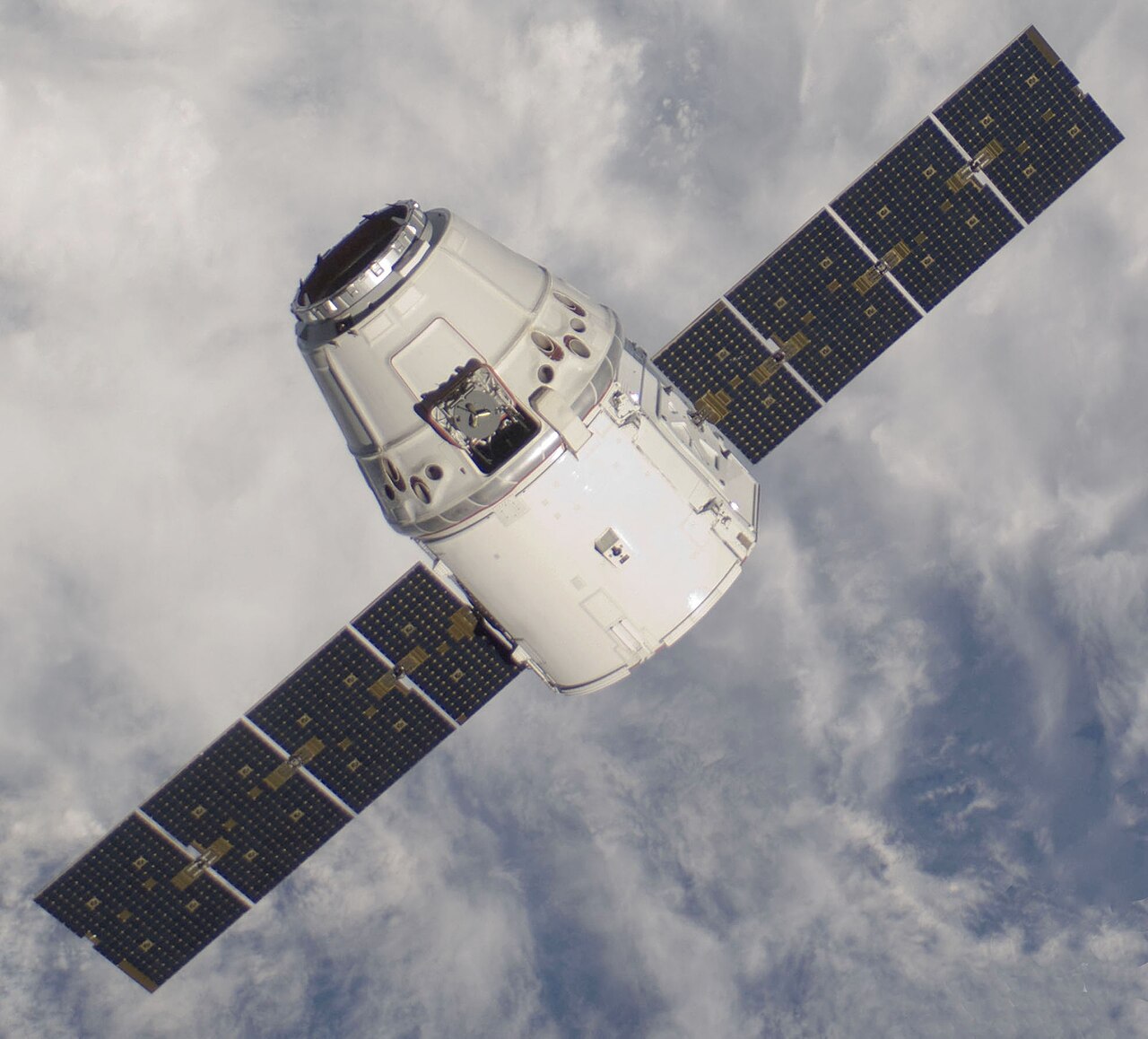
Falcon 9's career includes several landmark achievements. In May 2012, it became the first commercial rocket to deliver cargo to the International Space Station via the Dragon spacecraft. In May 2020, it launched NASA astronauts Bob Behnken and Doug Hurley on the Crew Dragon Demo-2 mission — the first crewed orbital launch from US soil since 2011. The Starlink broadband constellation, comprising over 6,000 satellites by 2024, is almost entirely lofted by Falcon 9, demonstrating its industrial-scale cadence. In 2023 alone, SpaceX conducted 96 Falcon 9 launches, averaging roughly one every four days.
| Version | First Flight | Payload to LEO | Key Change |
|---|---|---|---|
| Falcon 9 v1.0 | June 2010 | 8,560 kg | Initial design, expendable |
| Falcon 9 v1.1 | September 2013 | 13,150 kg | Stretched tanks, new engines |
| Falcon 9 Full Thrust | December 2015 | 22,800 kg | First successful booster landing |
| Falcon 9 Block 5 | May 2018 | 22,800 kg | Designed for rapid reuse, current version |
How Did Falcon 9 Change the Global Launch Industry?
Falcon 9's competitive pricing forced a structural shift across the entire launch industry. European Ariane 6 and United Launch Alliance's Vulcan rocket were redesigned with partial reusability in mind specifically to compete. Russia's Soyuz and Proton rockets lost significant commercial contracts to SpaceX through the 2010s. The US government, once dependent on Russian RD-180 engines for national security launches, certified Falcon 9 as a national security launch vehicle in 2015. The rocket's dominance has made SpaceX responsible for more than 60% of all orbital launch mass worldwide as of 2024.
What Is the Future of Falcon 9?
Falcon 9 will continue flying well into the late 2020s, serving Starlink, NASA Commercial Crew missions, and commercial satellite operators. SpaceX's next-generation Starship rocket is intended to eventually replace Falcon 9 for most missions, but with Starship still in testing as of 2024 and Falcon 9's manifest packed, the workhorse booster shows no signs of retirement soon. SpaceX is also developing Falcon 9's heavier sibling, Falcon Heavy — three Falcon 9 cores strapped together — for payloads requiring greater lift to geostationary orbit or beyond.
