
Chicago is the third-largest city in the United States, home to nearly 2.7 million people, and the economic capital of the Midwest. Founded as a town in 1833 on the southwestern shore of Lake Michigan, it grew with breathtaking speed into a railroad hub, meatpacking colossus, and architectural laboratory — all within a single century. Its history is defined by catastrophe, reinvention, and relentless ambition.
How Did Chicago Grow So Fast?
Chicago's explosive growth began with geography. Sitting at the junction of the Great Lakes and the Mississippi River watershed, it became the natural gateway between the industrial East and the agricultural West. When the Illinois and Michigan Canal opened in 1848, connecting the Chicago River to the Illinois River, goods could flow uninterrupted from New York to New Orleans through the city. The arrival of the Galena and Chicago Union Railroad that same year sealed Chicago's fate as America's freight crossroads. By 1856, more railroad lines converged on Chicago than on any other city on earth. The population, just 4,170 in 1837, surpassed 100,000 by 1860 and topped 1 million by 1890 — a rate of growth unmatched by any major Western city.
What Was the Great Chicago Fire of 1871?
On the night of October 8, 1871, a fire broke out in a barn on DeKoven Street on the city's Near West Side. Fueled by drought conditions, high winds, and a city built almost entirely of wood, the blaze burned for 36 hours, killing approximately 300 people, destroying 17,450 buildings, and leaving 100,000 residents — roughly one-third of the population — homeless. The damage totalled an estimated $200 million (around $4.7 billion today). The legendary story that Catherine O'Leary's cow kicked over a lantern to start the fire was fabricated by a reporter and has never been confirmed. Chicago's response was extraordinary: within two years the city had rebuilt itself substantially in brick and stone, attracting the world's finest architects and giving birth to the Chicago School of architecture, which produced the world's first steel-framed skyscraper — the 10-story Home Insurance Building — in 1885.
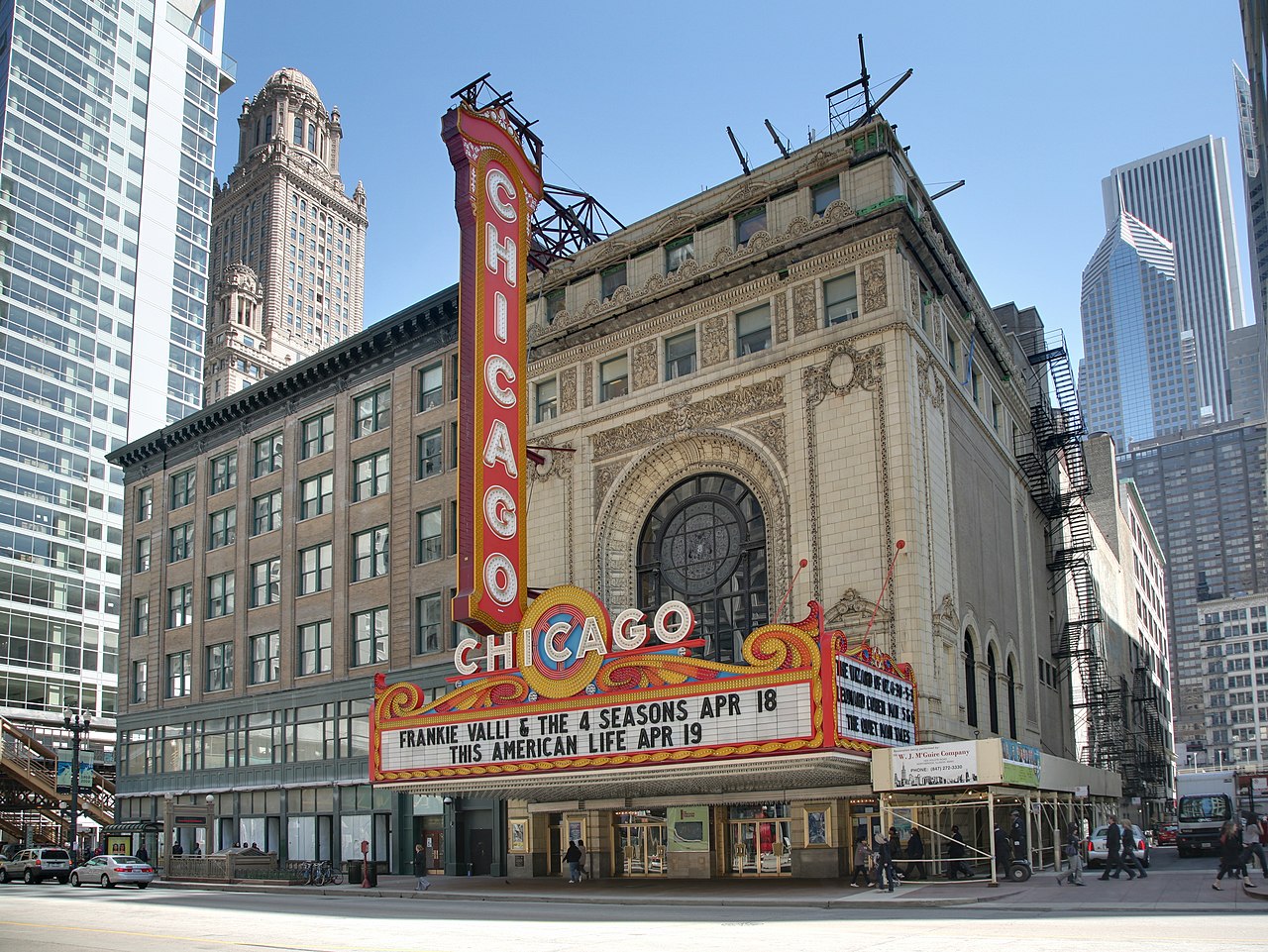
Why Is Chicago's Cultural Legacy So Significant?
Chicago did not merely build buildings — it built American culture. The city's Black Metropolis on the South Side, shaped by the Great Migration of African Americans from the Jim Crow South between 1910 and 1970, became the incubator of electric blues and eventually house music, the genre that seeded global electronic dance culture. Writers like Upton Sinclair, Saul Bellow, and Gwendolyn Brooks — the first African American to win the Pulitzer Prize, in 1950 — called Chicago home. The 1893 World's Columbian Exposition drew 27.5 million visitors and introduced the Ferris wheel to the world. Politically, Chicago produced Barack Obama, who launched his political career in the city's Hyde Park neighbourhood and was elected the 44th President of the United States in 2008. The city's deep-dish pizza, the Chicago-style hot dog, and Second City comedy theatre have each become American cultural exports recognised worldwide.
| Era | Key Event | Impact |
|---|---|---|
| 1833 | Incorporated as a town | Official founding of Chicago |
| 1848 | Canal & railroad open | Becomes America's freight hub |
| 1871 | Great Chicago Fire | 300 dead; city rebuilt in stone |
| 1885 | First skyscraper built | Birth of modern urban architecture |
| 1893 | World's Columbian Exposition | 27.5 million visitors; global showcase |
| 2008 | Obama elected President | Chicago's most prominent political figure reaches the White House |
