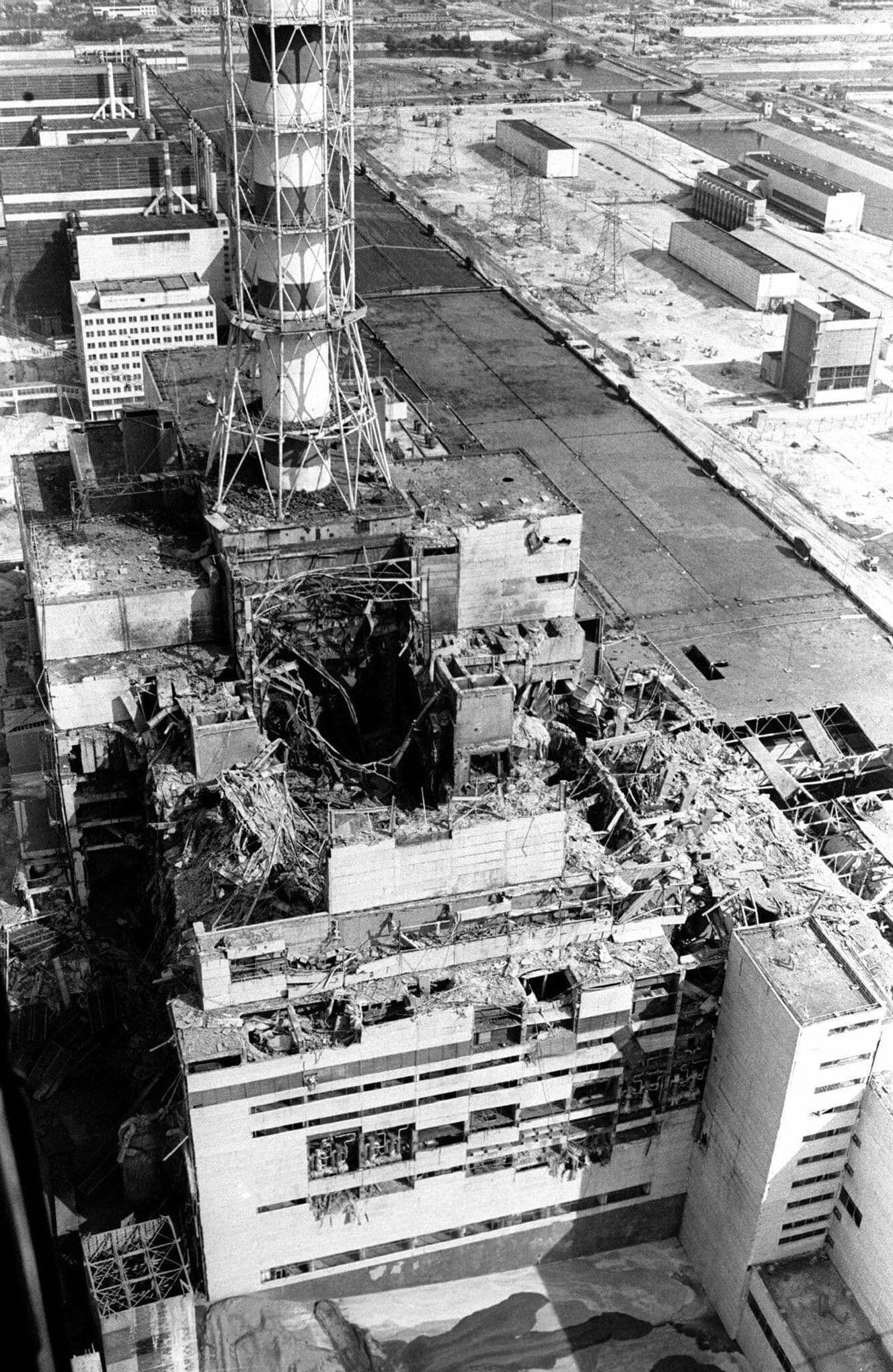
At 1:23 a.m. on April 26, 1986, Reactor No. 4 at the Vladimir Ilyich Lenin Nuclear Power Plant near the city of Pripyat, Ukraine, exploded with a force that blew off the 1,000-tonne steel lid of the reactor vessel and sent a plume of radioactive material high into the night sky. The explosion was not a nuclear detonation, but the resulting fire burned for ten days, releasing approximately 400 times more radiation than the atomic bomb dropped on Hiroshima. In the decades since, Chernobyl has become synonymous with catastrophic institutional failure, human sacrifice, and the terrifying limits of technology.
A Flawed Machine in a Flawed System
The RBMK-1000 reactor at Chernobyl was a Soviet design with a critical and well-known flaw: a positive void coefficient. In plain terms, if coolant water inside the reactor began to boil and turn to steam, the nuclear chain reaction would accelerate rather than slow down — the opposite of what most Western reactor designs ensured. Soviet nuclear engineers were aware of this instability, but the information was classified and not communicated to plant operators. The reactor also had graphite-tipped control rods that, paradoxically, caused a brief power surge when inserted into the reactor — a phenomenon operators on the night of April 25–26 had no knowledge of.
The Fatal Safety Test
The disaster occurred during a scheduled safety test designed to determine whether the reactor's turbines could generate enough electricity to power the cooling system pumps during a brief power outage — the gap between a grid power failure and the activation of diesel backup generators. The test had been postponed multiple times and was finally conducted during a night shift whose workers had little preparation or briefing. When operators attempted to stabilize the reactor at a low power level for the test, the reactor fell to near zero power — a state called a 'xenon pit' — caused by a buildup of xenon-135 gas, a byproduct of fission that absorbs neutrons and suppresses the chain reaction.
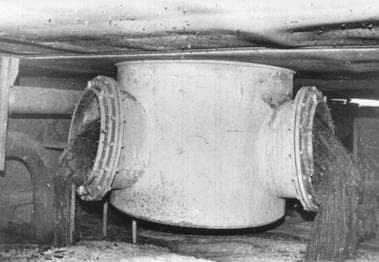
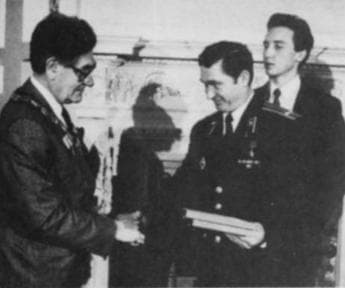
Rather than abandoning the test, shift foreman Aleksandr Akimov and reactor physicist Leonid Toptunov worked to manually raise the power level by withdrawing almost all of the control rods — a dangerously unstable configuration that violated operational protocols. With the reactor in an extremely sensitive state, the safety test was initiated. Almost immediately, power surged uncontrollably. Operators hit the emergency shutdown button, inserting all control rods simultaneously. But the graphite tips on the rods caused a momentary spike in reactivity. Within three seconds, the reactor's power output surged to roughly 30,000 megawatts — ten times its normal capacity. Two explosions followed in rapid succession, tearing the reactor apart.
The Immediate Aftermath: Heroism in the Dark
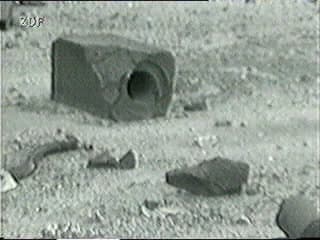
The first firefighters to arrive at the scene had no idea they were walking into a radioactive inferno. Many picked up pieces of graphite from the reactor core with their bare hands. Within hours, dozens of first responders were showing signs of acute radiation syndrome — vomiting, skin burns, and a metallic taste in the mouth. Twenty-eight emergency workers and firefighters died within months from acute radiation exposure. They are counted among the most direct victims, though they knowingly gave their lives to prevent a second, potentially larger explosion and to contain the fire from spreading to the adjacent reactors.
Soviet authorities initially downplayed the severity of the accident. The city of Pripyat, home to approximately 49,000 people — most of them plant workers and their families — was not evacuated until 36 hours after the explosion. Residents were told they would be gone for three days. Most never returned. The evacuation eventually extended to a 30-kilometer exclusion zone, displacing more than 350,000 people across Ukraine, Belarus, and Russia.
The Scale of Contamination
The radioactive plume carried isotopes of cesium-137, iodine-131, strontium-90, and plutonium across much of Europe. Elevated radiation levels were detected as far away as Sweden, where workers at a nuclear plant set off radiation alarms — alerting the outside world to an accident the Soviets had not yet publicly acknowledged. The most contaminated areas remain in parts of Ukraine, Belarus, and the Russian SFSR. Iodine-131, with a half-life of eight days, caused a dramatic spike in thyroid cancer cases — particularly among children who drank contaminated milk. To date, over 6,000 cases of thyroid cancer have been diagnosed in individuals who were children at the time of the accident.
The Sarcophagus and the New Safe Confinement
In the months following the disaster, a massive engineering effort was undertaken to entomb the destroyed reactor under a concrete and steel structure known as the 'sarcophagus.' Completed in November 1986 by tens of thousands of workers — many of whom received high radiation doses — the structure was always considered a temporary solution. By the 2000s, it was deteriorating. An international effort led to the construction of the New Safe Confinement, a colossal arch-shaped steel structure 108 meters tall and 257 meters wide, slid into place over the old sarcophagus in November 2016. It is designed to contain the remains of the reactor for at least 100 years.
Political Fallout: Chernobyl and the Fall of the Soviet Union
Soviet leader Mikhail Gorbachev later said that Chernobyl was perhaps the real cause of the collapse of the Soviet Union. The disaster exposed the systemic culture of secrecy, institutional dishonesty, and bureaucratic inertia that defined the Soviet state. Glasnost — Gorbachev's policy of openness — was partly accelerated by the impossibility of concealing a catastrophe that was literally raining down on Western Europe. The cost of the cleanup, the economic disruption, and the shattered public trust in Soviet institutions combined to hasten the unraveling of the USSR just five years later.
Legacy: A Wound That Does Not Close
Today, the Chernobyl Exclusion Zone has become an unlikely wildlife sanctuary, with wolves, lynx, wild horses, and bison reclaiming the abandoned landscape. It also draws thousands of tourists each year, drawn by a mixture of dark curiosity and historical gravity. The 2019 HBO/Sky Atlantic miniseries 'Chernobyl' brought renewed global attention to the disaster, praised for its historical accuracy and emotional portrayal of the scientists, engineers, and officials who grappled with the catastrophe. The debate over the long-term health impacts — particularly cancer rates beyond thyroid cancer — remains contested among scientists. What is not contested is the human cost: a society uprooted, an environment permanently altered, and a warning written in radiation about the dangers of institutional arrogance.
| Fact | Detail |
|---|---|
| Date of explosion | April 26, 1986, 1:23 a.m. |
| Reactor type | RBMK-1000 |
| Radiation released | ~400x that of the Hiroshima bomb |
| Immediate deaths (acute radiation) | 28 confirmed within months |
| People displaced | Over 350,000 |
| Thyroid cancer cases (children) | 6,000+ diagnosed |
| Exclusion zone radius | 30 kilometers |
| New Safe Confinement completed | November 2016 |