In the spring of 1861, the United States fractured along a fault line that had been widening since the nation's founding. What began as a political crisis over slavery, states' rights, and the future of a rapidly expanding republic erupted into four years of catastrophic warfare. The American Civil War—fought between the Union states of the North and the Confederate states of the South—remains the deadliest conflict in American history, claiming an estimated 620,000 to 750,000 lives and transforming the country in ways that still reverberate today.
The Seeds of Conflict: Slavery and Sectional Division
The Civil War did not erupt overnight. For decades, the United States had been bitterly divided over the institution of slavery, which underpinned the agricultural economy of the Southern states. By 1860, nearly four million enslaved African Americans labored on Southern plantations, and the question of whether slavery would expand into newly acquired western territories had paralyzed Congress. The Missouri Compromise of 1820 and the Compromise of 1850 had temporarily defused tensions, but the Kansas-Nebraska Act of 1854 reignited them, unleashing violent clashes in 'Bleeding Kansas' as pro-slavery and anti-slavery settlers fought for control of the territory.
The election of Abraham Lincoln in November 1860 proved to be the final trigger. Lincoln, a Republican who opposed the expansion of slavery, won the presidency without carrying a single Southern state. Within weeks, South Carolina seceded from the Union. By February 1861, six more states—Mississippi, Florida, Alabama, Georgia, Louisiana, and Texas—had followed, forming the Confederate States of America under the presidency of Jefferson Davis. Four more states would join the Confederacy after the war's opening shots.
The War Begins: Fort Sumter and the Opening Campaigns
The war's first shots rang out on April 12, 1861, when Confederate artillery under General P.G.T. Beauregard bombarded Fort Sumter, a Union garrison in the harbor of Charleston, South Carolina. After 34 hours of bombardment, the Union garrison surrendered. Lincoln called for 75,000 volunteers to suppress the rebellion, and the nation plunged into war. Early Confederate victories—most notably at the First Battle of Bull Run in July 1861, where Union troops were routed just 30 miles from Washington—shattered Northern illusions of a quick, easy suppression of the rebellion.
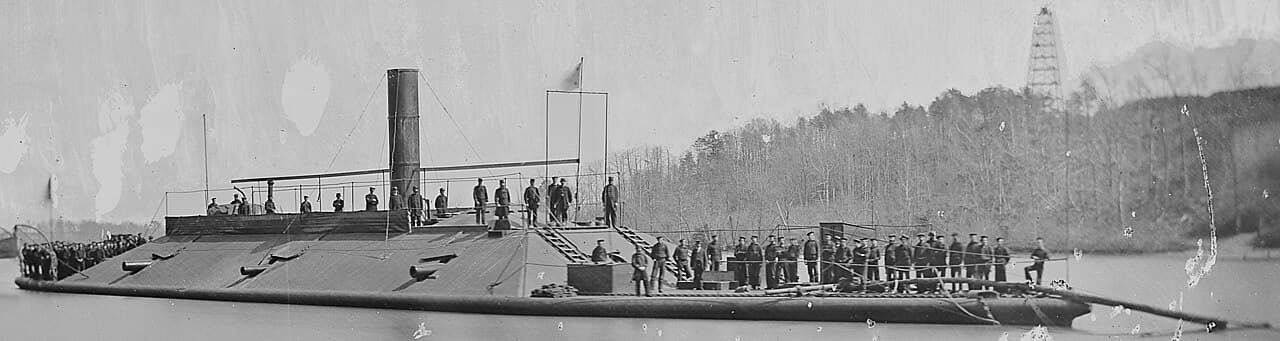
The war quickly revealed itself to be a conflict of unprecedented scale and brutality. Both sides mobilized massive armies. The Union ultimately fielded approximately 2.1 million soldiers, while the Confederacy raised around 880,000. Technological advances—including rifled muskets, ironclad warships, and early use of railroads and telegraph for military logistics—transformed the nature of warfare, making battles deadlier and sieges more prolonged than in any previous American conflict.
Turning Points: Antietam, Emancipation, and Gettysburg
The war's momentum shifted decisively in 1862 and 1863. The Battle of Antietam on September 17, 1862—still the bloodiest single day in American military history, with approximately 22,700 casualties—halted Confederate General Robert E. Lee's first invasion of the North. Though tactically inconclusive, Union General George McClellan's ability to turn Lee back gave Lincoln the political opening he needed. On January 1, 1863, Lincoln issued the Emancipation Proclamation, declaring enslaved people in Confederate states to be free. The proclamation transformed the war's moral character, making the abolition of slavery an explicit Union war aim and discouraging European powers—particularly Britain and France—from recognizing the Confederacy.
The summer of 1863 brought twin disasters for the Confederacy. At Gettysburg, Pennsylvania, from July 1–3, Lee's army suffered catastrophic losses in a failed invasion of the North—including the infamous Pickett's Charge, in which approximately 12,500 Confederate troops advanced across open ground into devastating Union fire. Simultaneously, on July 4, Union General Ulysses S. Grant captured Vicksburg, Mississippi, giving the Union control of the entire Mississippi River and splitting the Confederacy in two. The tide had irrevocably turned.
Grant, Sherman, and the Road to Appomattox
Lincoln appointed Grant commander of all Union armies in March 1864. Grant pursued a strategy of relentless attrition against Lee's Army of Northern Virginia, while General William Tecumseh Sherman drove deep into the Confederate heartland. Sherman's March to the Sea—a 300-mile campaign from Atlanta to Savannah in late 1864—pioneered a brutal new concept of total war, destroying Confederate infrastructure, supply lines, and civilian morale on a massive scale. Though controversial, Sherman's strategy crippled the South's ability to sustain the war.
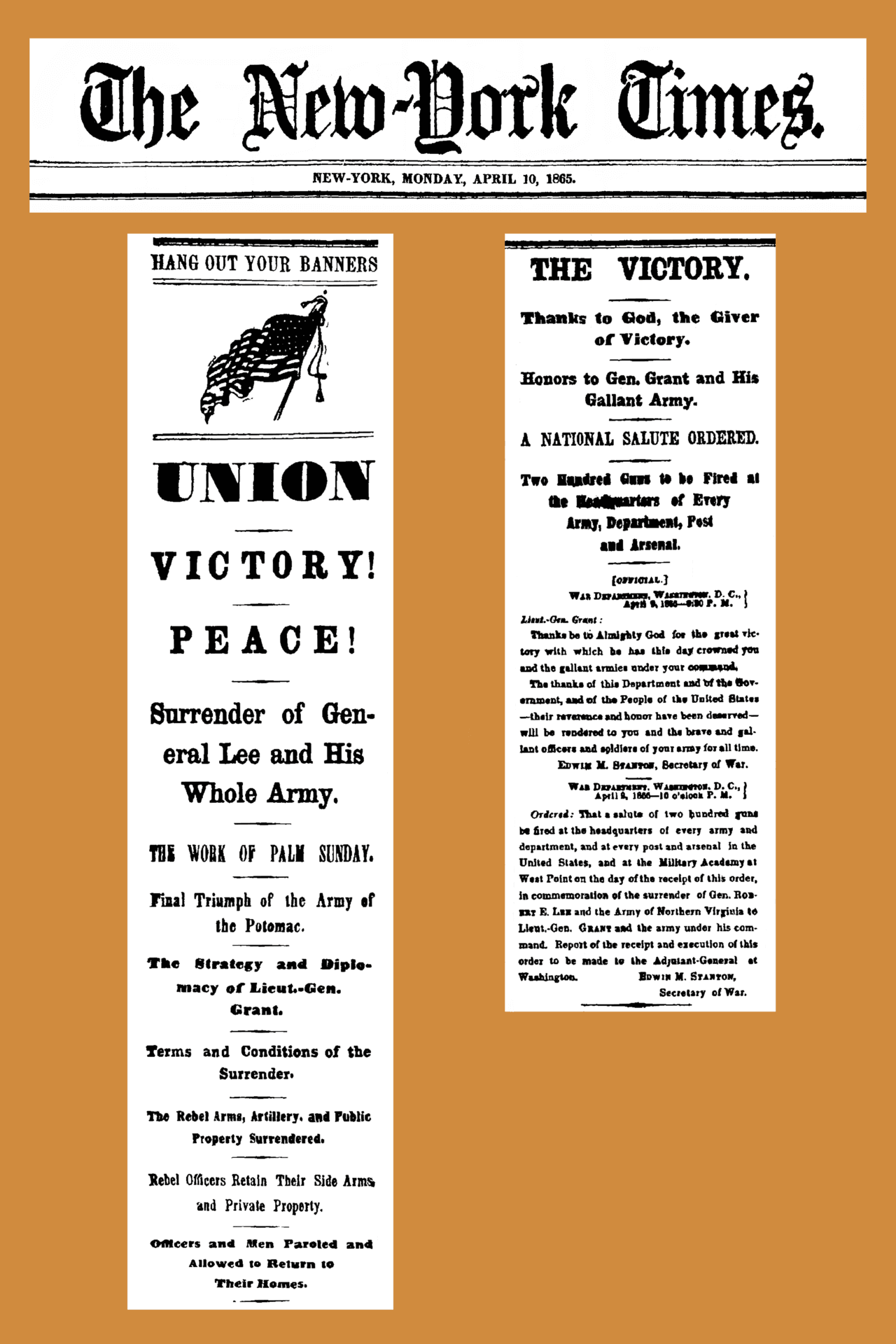
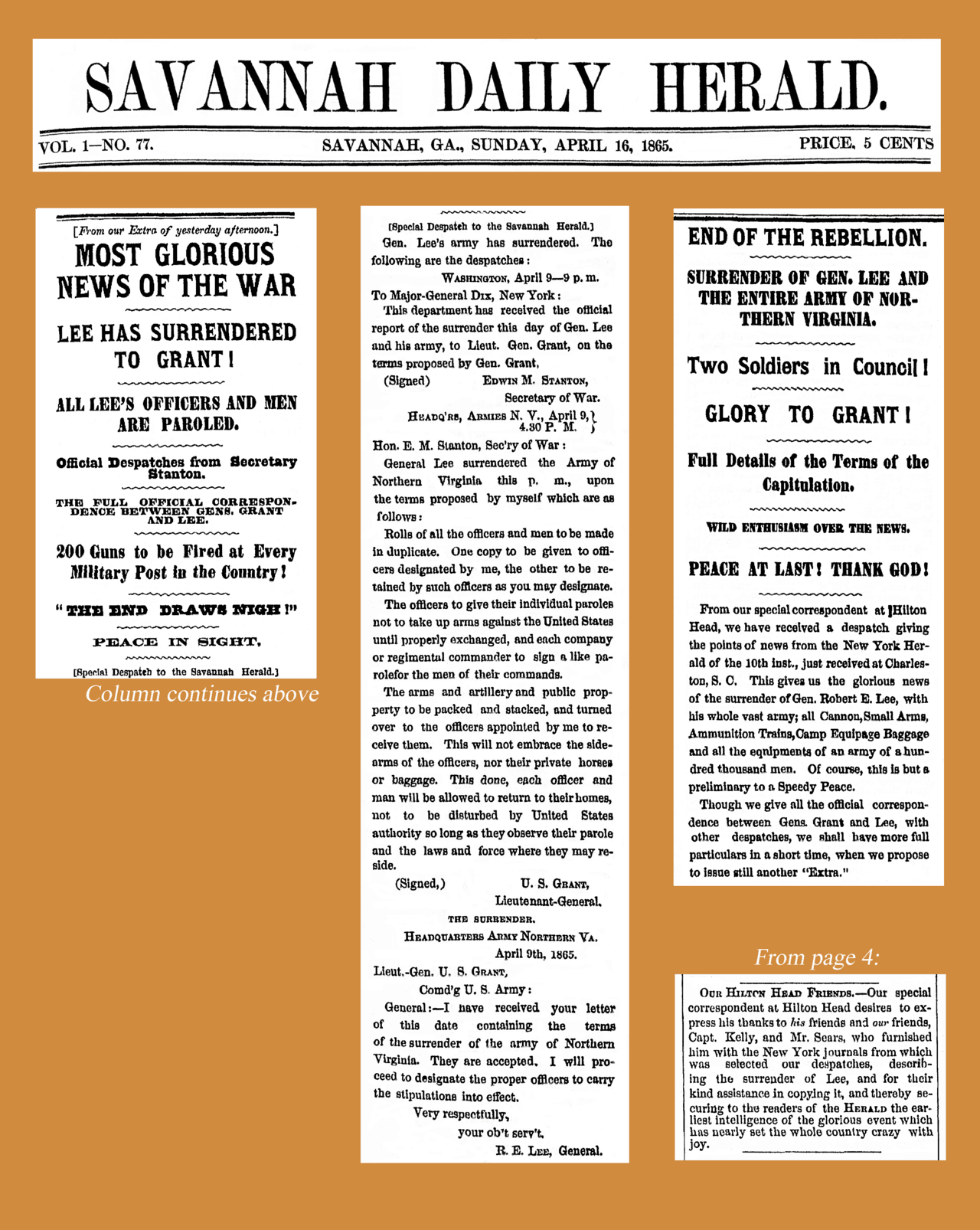
By April 1865, the Confederacy was collapsing. Richmond, the Confederate capital, fell on April 3. Lee, surrounded and outnumbered, surrendered to Grant at Appomattox Court House, Virginia, on April 9, 1865, effectively ending the war. Grant's terms were magnanimous: Confederate soldiers were paroled and allowed to return home, officers kept their sidearms, and soldiers were permitted to keep their horses for spring planting. Five days later, President Lincoln was shot by Confederate sympathizer John Wilkes Booth at Ford's Theatre in Washington. He died the following morning, April 15, 1865.
The Human Cost and Enduring Legacy
The Civil War's human toll was staggering. Modern scholarship estimates total deaths at between 620,000 and 750,000—more Americans than died in both World Wars combined. Disease killed roughly twice as many soldiers as combat. The conflict also left hundreds of thousands maimed, and the psychological wounds ran deeper still. The war destroyed the Southern plantation economy and formally abolished slavery through the Thirteenth Amendment, ratified in December 1865. The Fourteenth and Fifteenth Amendments followed, promising citizenship and voting rights to Black Americans—promises that would go largely unfulfilled for another century, as Reconstruction gave way to the Jim Crow era.
The Civil War settled, once and for all, that the United States was a single, indivisible nation rather than a voluntary compact of sovereign states. It accelerated industrialization in the North, transformed the federal government's role in American life, and laid the moral groundwork—however incompletely realized—for the long struggle for racial equality that continues to define the American experience. More than 150 years later, the war's causes, consequences, and memories remain fiercely contested, a testament to the depth of the wounds it inflicted and the magnitude of the questions it raised.
| Battle | Date | Outcome | Casualties (approx.) |
|---|---|---|---|
| Fort Sumter | April 12–14, 1861 | Confederate Victory | ~13 |
| First Bull Run | July 21, 1861 | Confederate Victory | ~4,700 |
| Antietam | September 17, 1862 | Union Victory (strategic) | ~22,700 |
| Gettysburg | July 1–3, 1863 | Union Victory | ~51,000 |
| Vicksburg | May 18 – July 4, 1863 | Union Victory | ~37,000 |
| Appomattox Campaign | April 1865 | Union Victory / War ends | ~9,000 |