The American Renaissance was a period of American architecture and the arts from 1876 to 1917, characterized by renewed national self-confidence and a feeling that the United States was the heir to Greek democracy, Roman law, and Renaissance humanism. Local conditions and requirements of America, including the aforementioned nationalism, spurred this change of style, allowing it to slowly develop over time in various places around the United States. The era spans the period between the Centennial Exposition (celebrating the 100th anniversary of the signing of the Declaration of Independence) and the United States' entry into World War I.
A great variety of buildings were made using this style, such as townhouses, cottages, state houses, libraries, capitol buildings, museums, banks, railway terminals, and more.
Building materials
Early buildings of the American Renaissance were of wood, plentiful in the United States, and often painted. As the country became wealthier, builders gradually followed the Greeks and Romans in their use of stone. For example, early columns of the period were carved of wood, but later architects and builders could use white marble, a more durable material, for intricate carvings and details.
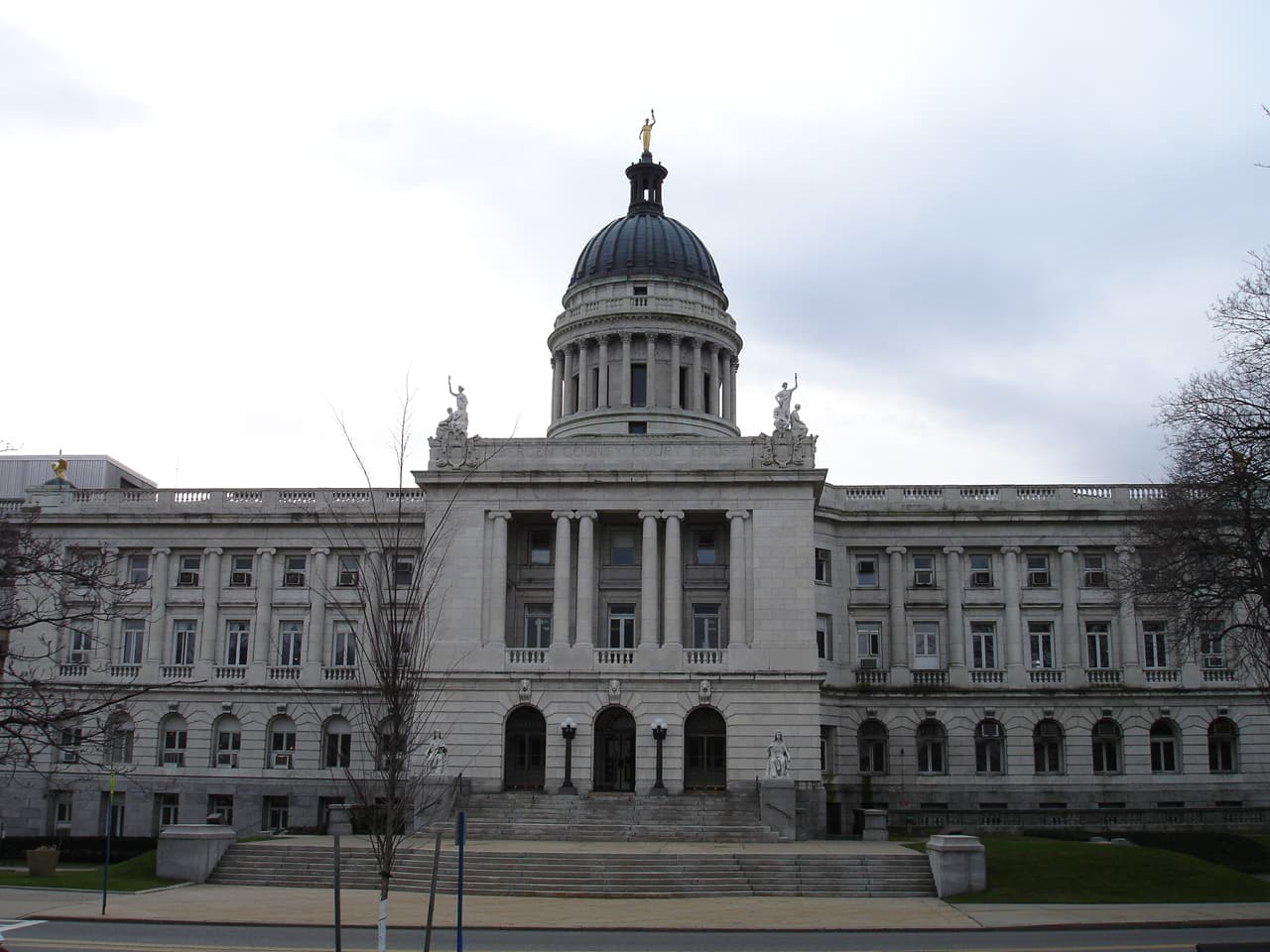
Both materials had their benefits. Wood is more easily repaired and replaced given its lack of lengthy durability in addition to its charm, warmth, and personality, which is characteristic of the American style. Stone, especially white marble, has a shine and glow to it. It is also more durable and able to withstand harsh weather.
Characteristics
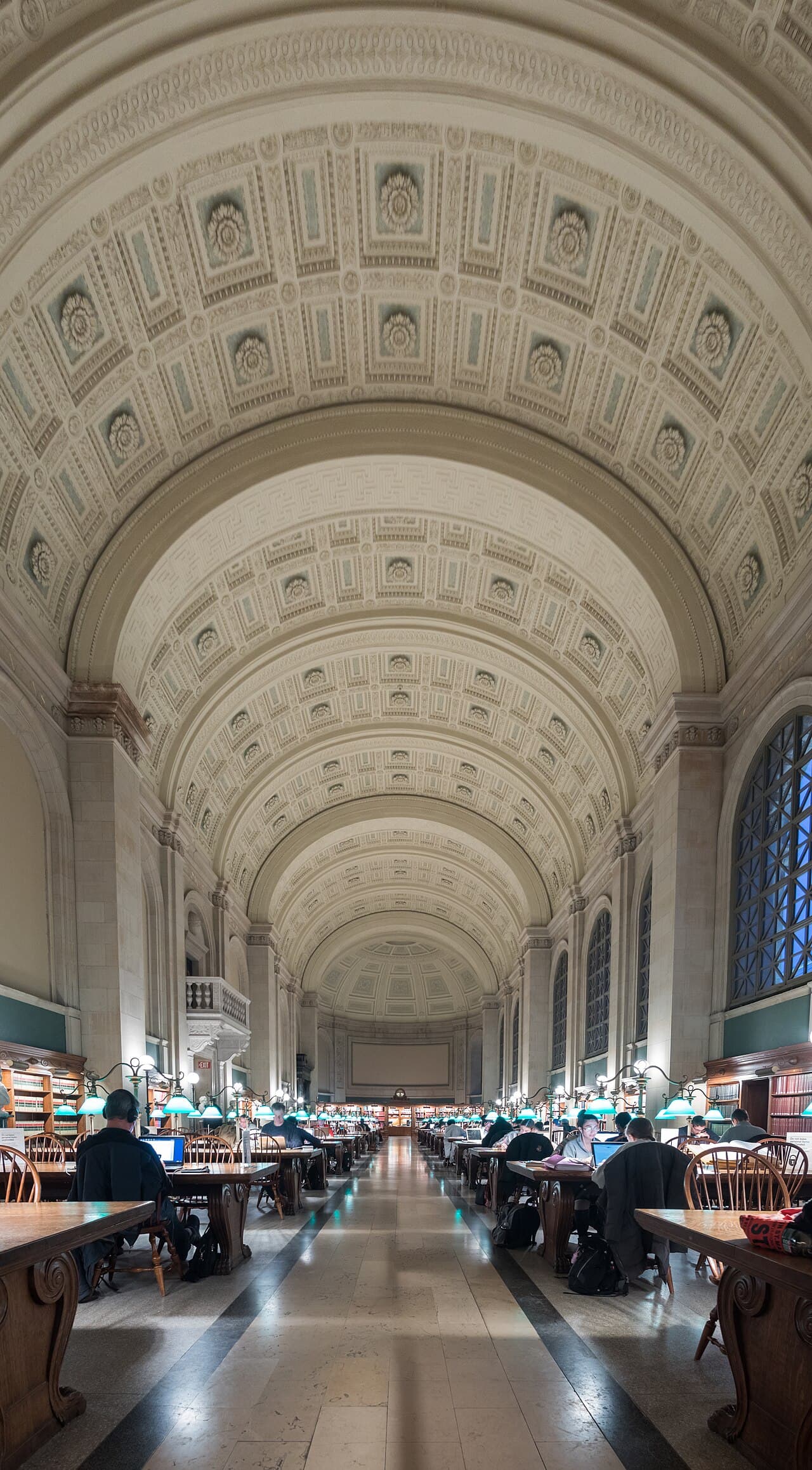
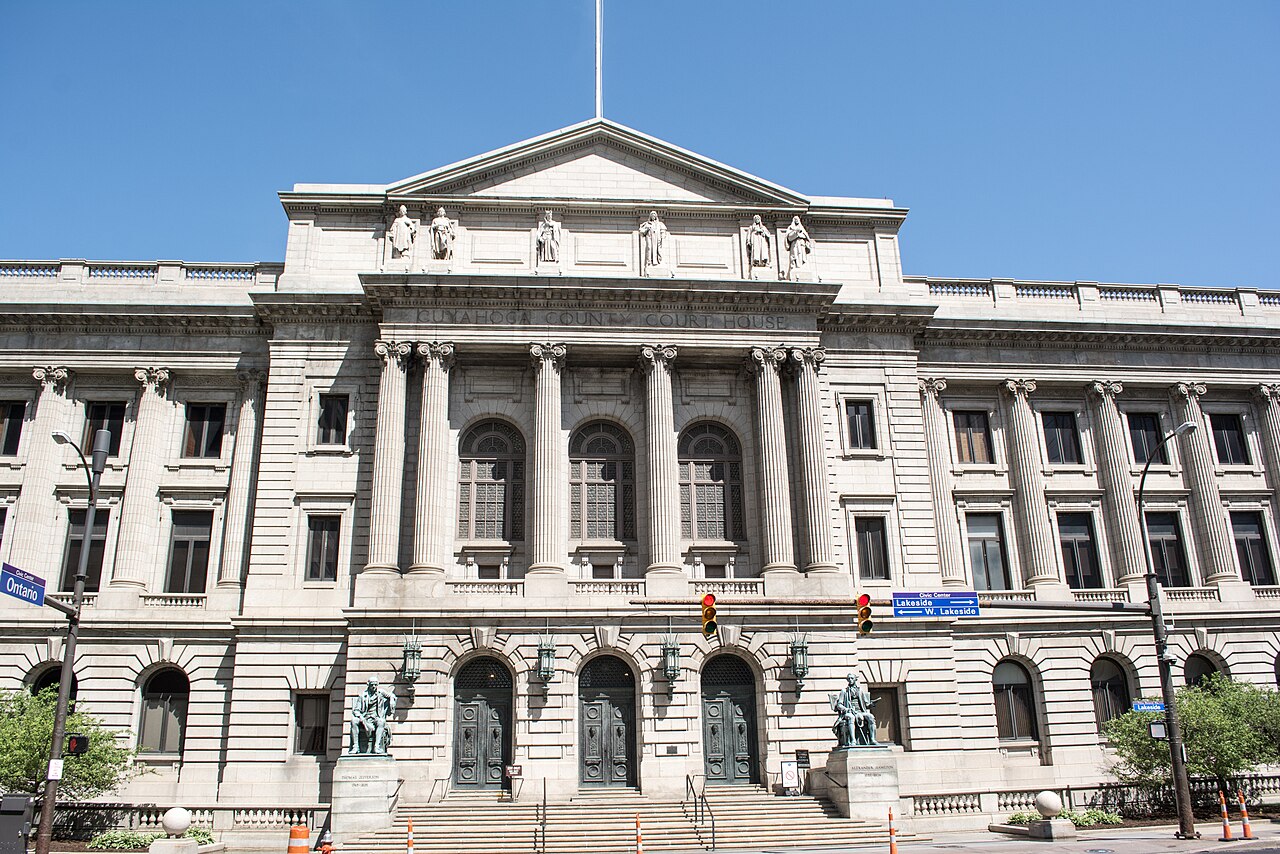
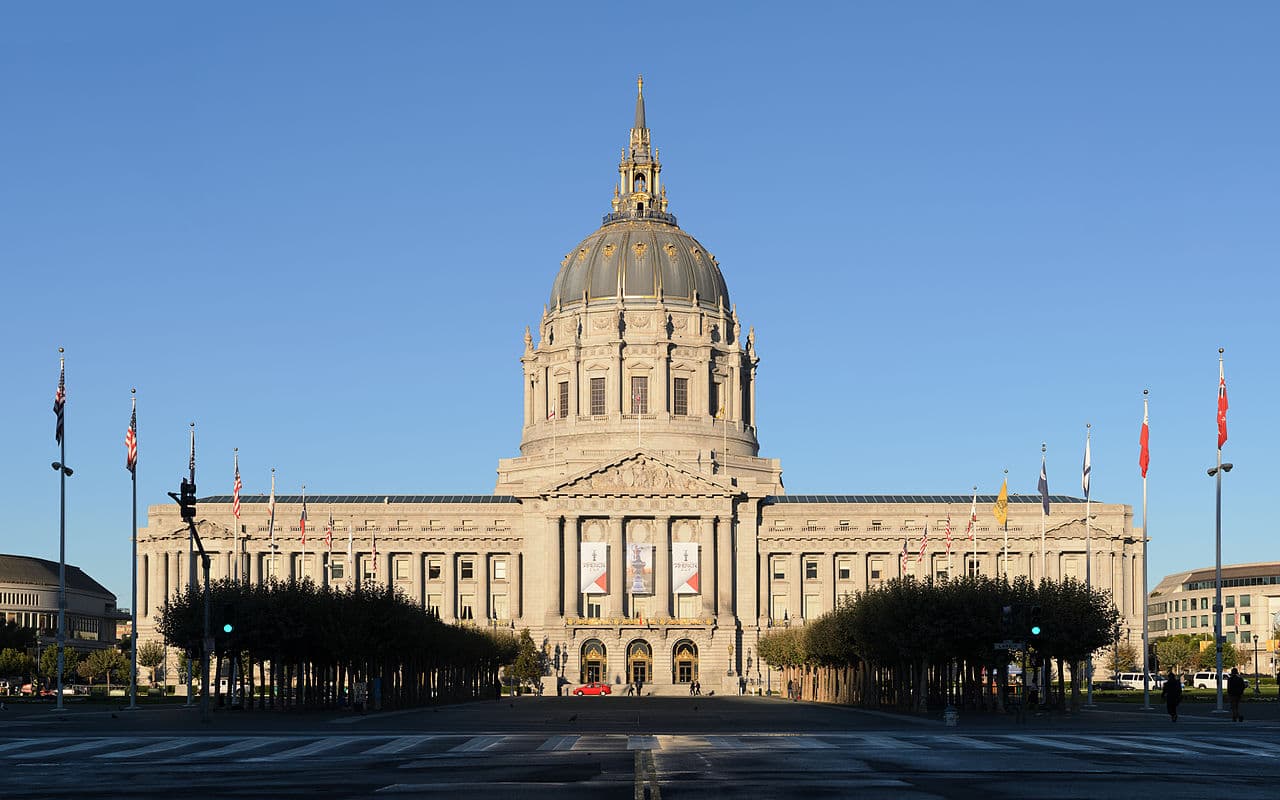
Decorative elements, such as arches, domes, vaulted ceilings, and columns were commonplace during the American Renaissance. There was a strong desire for the revival of Classical forms, symmetrical designs, and elaborate decorative elements. A sense of national identity was created and explored through the use of local materials and motifs.
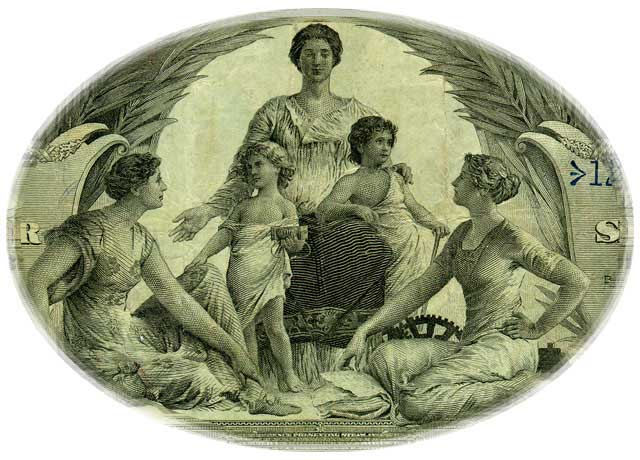
During the American Renaissance, the United States' preoccupation with national identity (or New Nationalism) was expressed by modernism and technology, as well as academic classicism. This classicism made way for a new form of creative and artistic rhetoric, which in turn helped establish the new aesthetic of the time. It expressed its self-confidence in new technologies, such as the wire cables of the Brooklyn Bridge in New York City. It found its cultural outlets in Prairie School houses and in Beaux-Arts architecture and sculpture, in the "City Beautiful" movement, and in the creation of the American . A goal of the "City Beautiful" movement, which coincides with the American Renaissance, was, "to shape American and society aesthetically, morally, and professionally". Through this goal, order, acculturation, and assimilation were meant to be brought to the American city, easing the transition for immigrants while also establishing a professional authority through architecture. Americans felt that their civilization was uniquely the modern heir, and that it had come of age. Politically and economically, this era coincides with the Gilded Age and the New Imperialism.