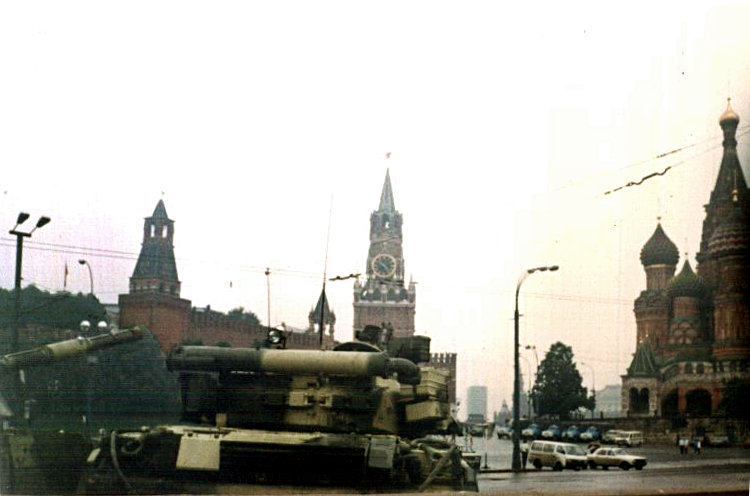
The Revolutions of 1989 were a cascade of popular uprisings that dismantled Communist governments across Eastern Europe between January and December of that year. Driven by economic stagnation, Soviet leader Mikhail Gorbachev's reformist policies, and decades of suppressed democratic ambition, regimes in Poland, Hungary, East Germany, Czechoslovakia, Bulgaria, and Romania all collapsed within months. The fall of the Berlin Wall on 9 November 1989 became the defining symbol of the era, marking the effective end of the Cold War.
What Caused the Revolutions of 1989?
Three forces converged to make 1989 inevitable. First, Soviet economic decline: by the mid-1980s, GDP growth in the Eastern bloc had stalled and consumer shortages were chronic. Second, Gorbachev's twin policies of glasnost and perestroika, introduced after 1985, signalled that Moscow would no longer send tanks to crush dissent as it had in Hungary in 1956 and Czechoslovakia in 1968. Third, organised civil society had grown powerful: Poland's Solidarity trade union, founded in 1980, had 10 million members by 1989, while Czechoslovakia's Charter 77 movement kept intellectual opposition alive for over a decade. When Gorbachev declined to intervene in Eastern European affairs — what Western observers called the Sinatra Doctrine — communist leaders lost their ultimate guarantor.
How Did Each Country's Revolution Unfold?
Poland led the way: Round Table Agreements in April 1989 legalised Solidarity, and June elections gave the opposition a landslide, producing Europe's first non-Communist prime minister since World War II, Tadeusz Mazowiecki, in August. Hungary quietly dismantled its Iron Curtain border fence in May, allowing thousands of East Germans to flee West. East Germany's regime crumbled after massive street protests in Leipzig and Dresden; on 9 November, a miscommunicated press conference announcement triggered crowds to tear down the Berlin Wall. Czechoslovakia's Velvet Revolution was almost bloodless: seventeen days of mass protests led by Vaclav Havel ended with Communist leaders resigning by 29 November. Bulgaria's change came via an internal party coup on 10 November. Romania alone turned violent — dictator Nicolae Ceausescu ordered troops to fire on protesters in Timisoara, but the army switched sides; Ceausescu and his wife Elena were tried and executed on 25 December 1989.

| Country | Key Date | Method | Outcome |
|---|---|---|---|
| Poland | June 1989 | Elections | Solidarity government formed |
| Hungary | October 1989 | Reform from within | Multi-party republic declared |
| East Germany | 9 Nov 1989 | Mass protest | Berlin Wall falls; reunification follows |
| Czechoslovakia | 29 Nov 1989 | Peaceful protest | Communist Party relinquishes power |
| Bulgaria | 10 Nov 1989 | Party coup | Todor Zhivkov ousted after 35 years |
| Romania | 25 Dec 1989 | Armed uprising | Ceausescu executed; 1,000+ killed |
What Was the Legacy of the 1989 Revolutions?
The revolutions triggered German reunification on 3 October 1990 and accelerated the dissolution of the Soviet Union itself in December 1991. By the mid-1990s, most former Eastern bloc states had held free elections, introduced market economies, and begun joining NATO and the European Union — Poland, Hungary, and the Czech Republic joined NATO in 1999. Vaclav Havel became Czechoslovakia's president; Lech Walesa, Solidarity's founder, became Poland's president in 1990. The events reshaped global geopolitics, ended a 45-year ideological confrontation, and proved that non-violent mass mobilisation could topple entrenched authoritarian regimes.