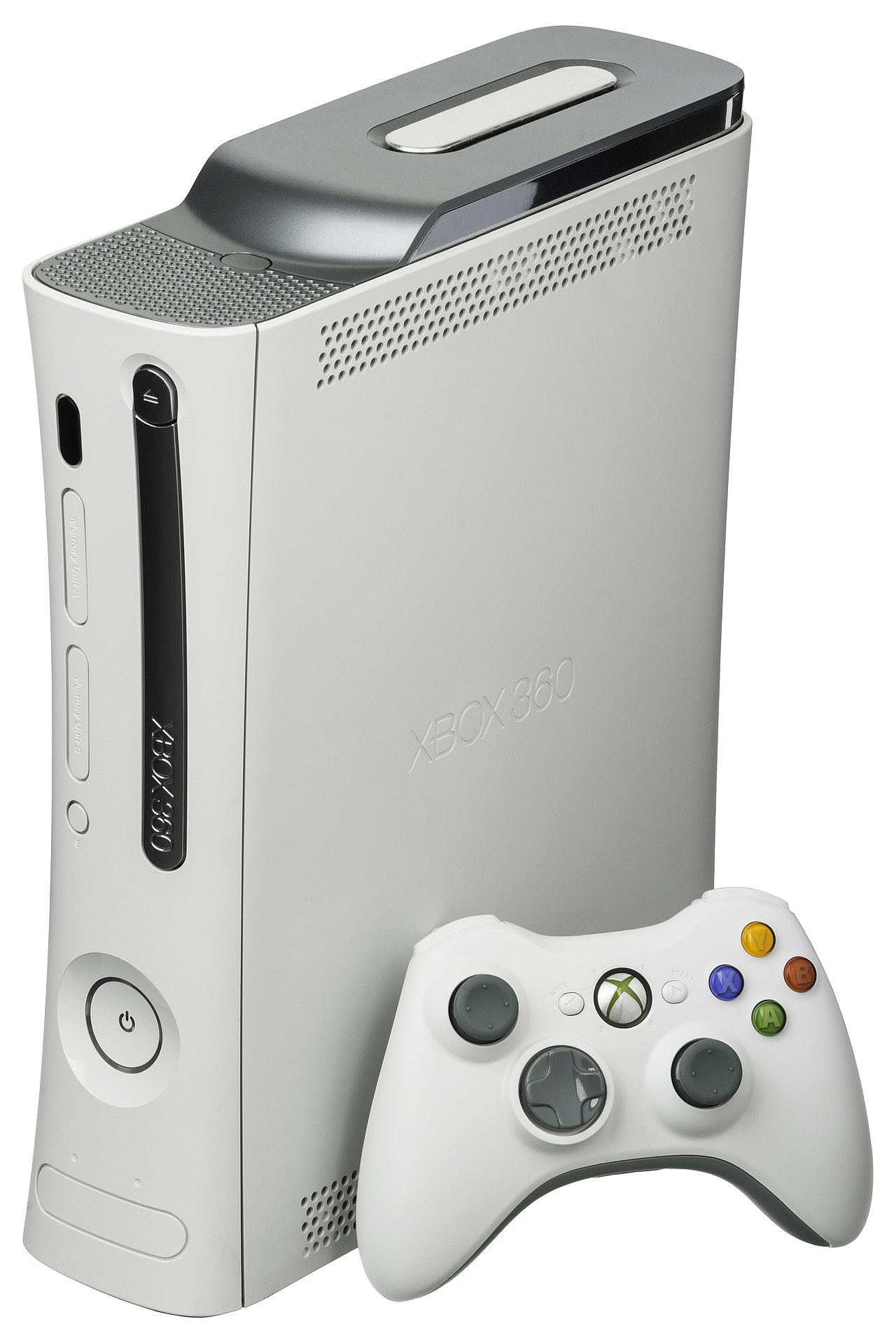
The video game console was born in 1972 when Magnavox released the Odyssey, the world's first home gaming system, designed by engineer Ralph Baer. Over the following five decades, consoles evolved from simple circuit boxes displaying ping-pong paddles into powerful multimedia computers capable of photorealistic graphics, online multiplayer, and 4K streaming. Today, the global console gaming market is worth over $50 billion annually, dominated by Sony, Microsoft, and Nintendo.
How Did the Console Industry Begin? The First Generation (1972–1977)
Ralph Baer, an engineer at Sanders Associates, developed the 'Brown Box' prototype in 1967 — the blueprint for the Magnavox Odyssey, released in May 1972 at a retail price of $99. The Odyssey used interchangeable circuit cards and plastic screen overlays rather than software. Atari founder Nolan Bushnell witnessed an Odyssey demonstration, then released the arcade hit Pong in 1972 and its home version in 1975. Atari's 1977 launch of the Atari 2600 — a cartridge-based console with a joystick controller — marked the true start of the modern console era, selling over 30 million units by the late 1980s.
What Were the Great Console Wars? Nintendo vs. Sega and Beyond
After the North American video game crash of 1983 wiped out an estimated $3 billion in revenue, Nintendo revived the market with the Nintendo Entertainment System (NES) in 1985, selling 61.9 million units worldwide. Sega fired back with the Mega Drive (Genesis) in 1988, launching the first major console war with aggressive advertising targeting older teens. Sony entered the arena in 1994 with the PlayStation, which sold 102.5 million units and popularised CD-ROM gaming. Microsoft joined in 2001 with the original Xbox, introducing a built-in hard drive and broadband online play via Xbox Live in 2002 — permanently shifting gaming toward connected experiences. Each generation intensified competition on price, processing power, and exclusive titles.

| Console | Manufacturer | Launch Year | Units Sold |
|---|---|---|---|
| Magnavox Odyssey | Magnavox | 1972 | ~350,000 |
| Atari 2600 | Atari | 1977 | 30 million+ |
| NES | Nintendo | 1985 | 61.9 million |
| PlayStation | Sony | 1994 | 102.5 million |
| PlayStation 2 | Sony | 2000 | 155 million |
| Nintendo Wii | Nintendo | 2006 | 101.6 million |
| PlayStation 4 | Sony | 2013 | 117.2 million |
| PlayStation 5 | Sony | 2020 | 59 million (by 2024) |
What Is the Modern Console Era? PS5, Xbox Series X, and Nintendo Switch
The Nintendo Switch, launched in March 2017, disrupted the market by combining home and handheld gaming in a single hybrid device; it has sold over 140 million units, making it Nintendo's best-selling console ever. Sony's PlayStation 5 and Microsoft's Xbox Series X both launched in November 2020, delivering solid-state drives that virtually eliminated load times and ray-tracing GPUs for cinematic lighting. Microsoft's strategy shifted toward subscription services — Xbox Game Pass surpassed 34 million subscribers by 2024 — while Sony focused on blockbuster exclusives such as God of War Ragnarök and Spider-Man 2. Cloud gaming services like Xbox Cloud Gaming and PlayStation Now signal that the next evolution may untether games from hardware entirely.