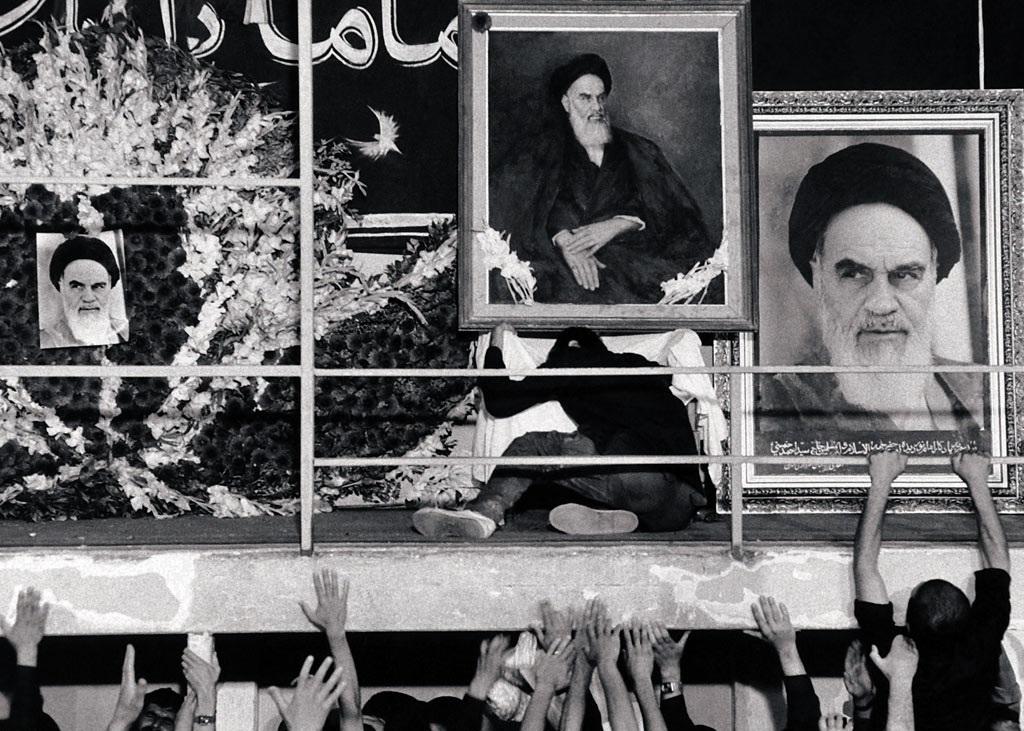
Ayatollah Ruhollah Khomeini, the Supreme Leader of Iran and architect of the 1979 Islamic Revolution, died on June 3, 1989, at approximately 10:22 PM Tehran time after suffering a heart attack following eleven days of hospitalisation for internal bleeding. He was 86 years old. His death triggered an unprecedented outpouring of grief across Iran, and his state funeral on June 4–5, 1989, drew an estimated crowd of 10 to 12 million people — one of the largest funeral gatherings in recorded history — descending into scenes of mass hysteria that shocked the world.
What Was Khomeini's Condition Before His Death?
Khomeini had suffered from a heart condition and prostate cancer for years. In late May 1989, he was admitted to Tehran's Jamaran medical clinic after experiencing severe gastrointestinal bleeding. Surgeons performed multiple operations, but his weakened cardiovascular system could not recover. He received eleven blood transfusions in his final days. The Iranian government, fearing public unrest, initially withheld the severity of his condition from state media. When his death was finally announced by state radio on the night of June 3, the broadcast triggered immediate, spontaneous mass mourning across every Iranian city.
How Did the Funeral Descend Into Chaos?
Khomeini's body was initially placed in a refrigerated container at the Musalla mosque in Tehran, where hundreds of thousands filed past to pay respects. When the funeral procession moved toward the Behesht-e Zahra cemetery on June 5, the crowd surged to catastrophic levels. Mourners tore at Khomeini's white burial shroud, attempting to touch or take pieces of it as holy relics. The wooden coffin was knocked over, and his body briefly fell to the ground. Overwhelmed security forces were unable to control the crowd. At least eight people were crushed to death and hundreds were injured. The first burial attempt had to be abandoned entirely. Authorities eventually airlifted Khomeini's body by helicopter to Behesht-e Zahra, where a second, heavily guarded ceremony allowed burial to proceed. He was interred in a simple grave consistent with Islamic tradition, though a large shrine complex was later constructed over the site.
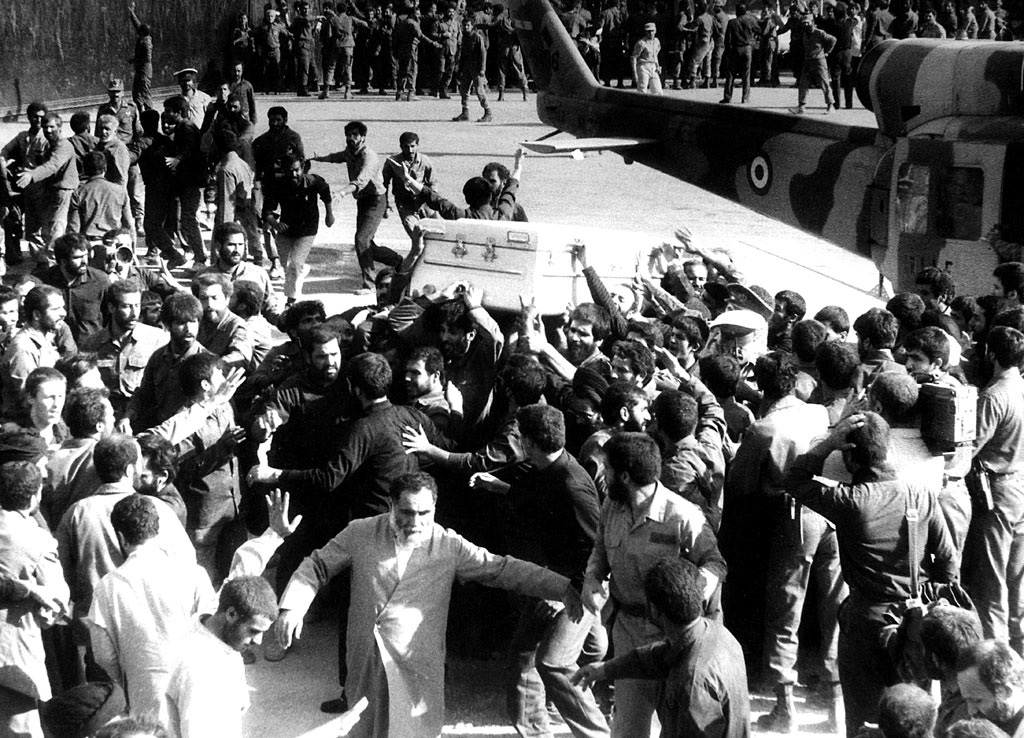
What Was the Political Legacy of Khomeini's Death?
Khomeini's death immediately triggered a constitutional crisis in Iran. The Assembly of Experts convened within hours and, on June 4, 1989, selected Ali Khamenei — then President of Iran — as the new Supreme Leader, a position Khamenei holds to this day. Concurrently, Ali Akbar Hashemi Rafsanjani was elected President in July 1989. Khomeini's passing marked the end of the revolutionary founding generation's direct rule. His shrine at Behesht-e Zahra became a major pilgrimage site, and the anniversary of his death, known as Sâlgard-e Ertehal, is observed annually as a national day of mourning in Iran. Internationally, his death was met with mixed reactions: mourning in much of the Muslim world, and quiet relief among Western governments and Iranian exiles.
| Event | Date | Detail |
|---|---|---|
| Khomeini hospitalised | May 23, 1989 | Admitted for severe internal bleeding |
| Death announced | June 3, 1989 | Died at 10:22 PM Tehran time, age 86 |
| Public viewing begins | June 4, 1989 | Body placed at Musalla mosque, Tehran |
| First burial attempt fails | June 5, 1989 | Crowd overwhelms procession; coffin knocked over |
| Helicopter airlift | June 5, 1989 | Body airlifted to Behesht-e Zahra cemetery |
| Khamenei named Supreme Leader | June 4, 1989 | Assembly of Experts emergency session |
