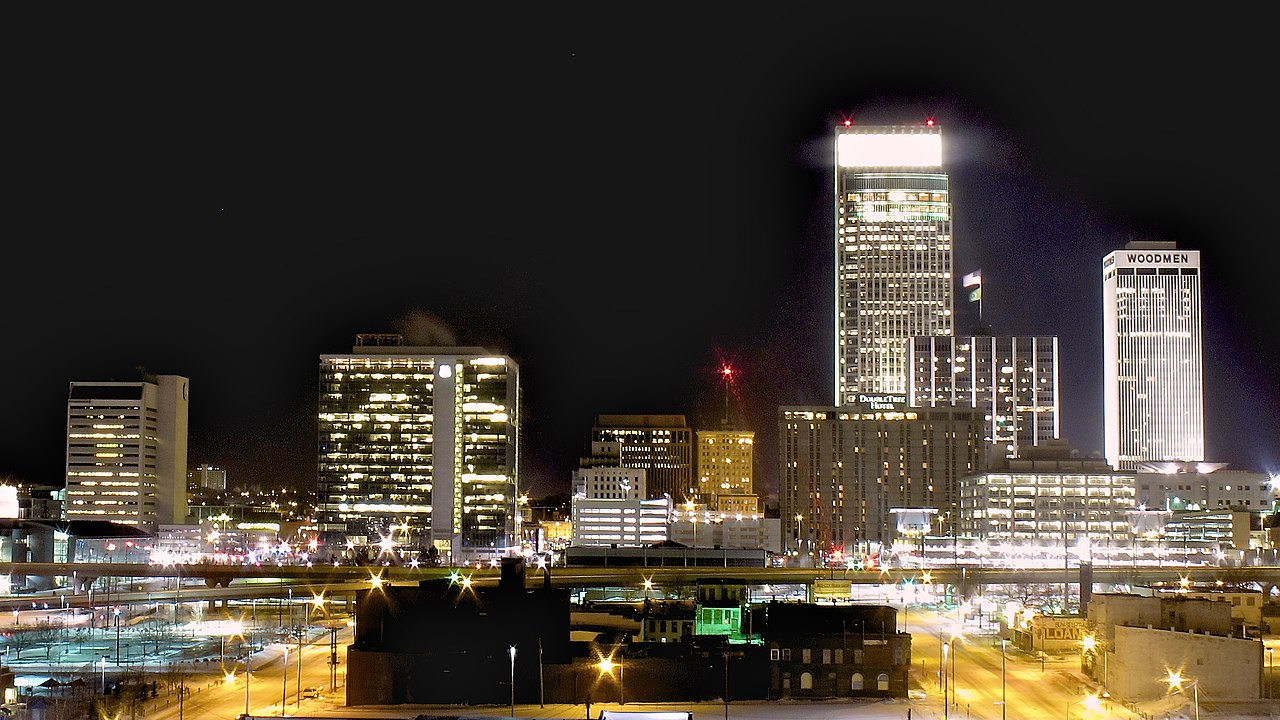
Nebraska is a landlocked state in the Great Plains region of the central United States, admitted to the Union on March 1, 1867, as the 37th state. Home to roughly 2 million people, it is defined by its vast agricultural landscape, the winding Platte River, and a frontier heritage shaped by Indigenous nations, westward migration, and immigrant homesteaders. Its capital is Lincoln, while Omaha serves as its largest city and economic hub.
What Is Nebraska's Geography and Why Does It Matter?
Nebraska covers 77,358 square miles, making it the 16th-largest state. The landscape divides into two broad zones: the fertile eastern lowlands carved by the Missouri River, and the rugged western high plains. The iconic Sandhills — a 19,300-square-mile region of grass-stabilised sand dunes — form the largest sand dune formation in the Western Hemisphere and sit atop the Ogallala Aquifer, one of the world's largest underground freshwater reserves. This aquifer irrigates roughly 8 million acres of cropland across the Great Plains. The Platte River Valley cuts east to west across the state and served as the highway for the Oregon, California, and Mormon trails in the 19th century, funnelling hundreds of thousands of migrants westward between the 1840s and 1860s.
What Is Nebraska's History? From Indigenous Nations to Statehood
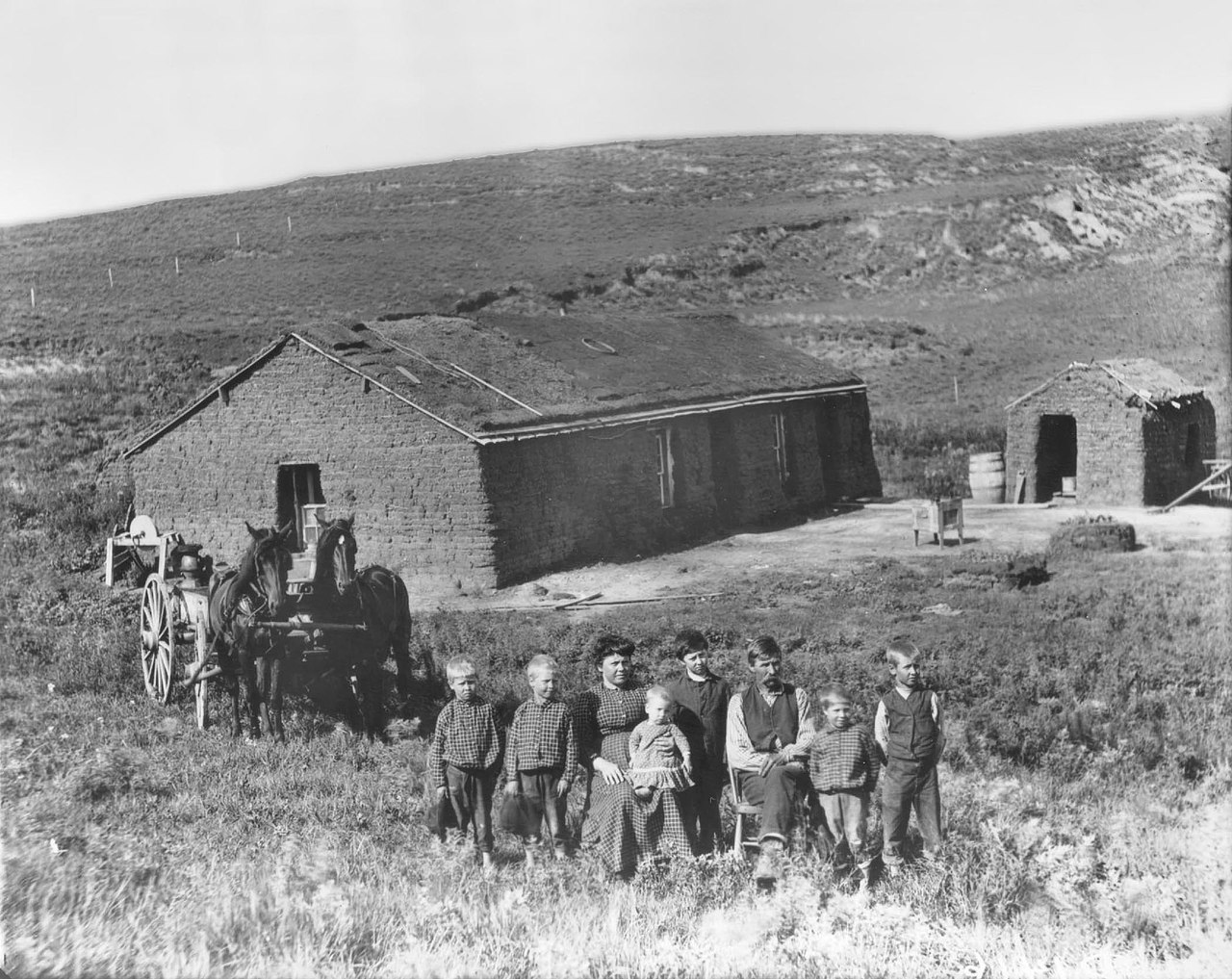
Before European contact, the region was home to the Pawnee, Omaha, Lakota Sioux, and other Indigenous nations who had inhabited the plains for thousands of years. Spanish and French explorers mapped the territory in the 17th and 18th centuries, but American sovereignty came with the Louisiana Purchase of 1803. The Kansas-Nebraska Act of 1854 formally organised Nebraska Territory, igniting fierce debate over whether new territories would permit slavery — a controversy that helped precipitate the Civil War. After the war, the Homestead Act of 1862 drew thousands of settlers, granting 160-acre plots to those who farmed the land for five years. By 1867, Nebraska had sufficient population for statehood, and it became the only U.S. state with a unicameral (single-chamber) legislature, adopted in 1937 at the urging of reformer George W. Norris.
| Fast Fact | Detail |
|---|---|
| Statehood | March 1, 1867 (37th state) |
| Capital | Lincoln |
| Largest City | Omaha |
| Population (2023 est.) | ~2.0 million |
| Area | 77,358 sq mi (16th largest) |
| Nickname | Cornhusker State |
| Legislature | Unicameral — unique in the U.S. |
| Key River | Platte River |
What Is Nebraska Known For? Economy, Culture, and Notable Figures
Nebraska consistently ranks among the top U.S. states for agricultural output, producing corn, soybeans, beef cattle, and pork. It is the nation's leading beef-processing state, with major meatpacking plants in Omaha and Lexington. Beyond farming, Omaha has emerged as a corporate powerhouse — it is the headquarters of Warren Buffett's Berkshire Hathaway, Union Pacific Railroad, and mutual fund giant TD Ameritrade. Culturally, Nebraska gave the world figures including President Gerald Ford (born in Omaha, 1913), author Willa Cather, whose novels like 'O Pioneers!' (1913) immortalised the immigrant prairie experience, and musician Bright Eyes frontman Conor Oberst. The University of Nebraska Cornhuskers football program commands near-religious devotion; Memorial Stadium in Lincoln has sold out every home game since 1962 — a streak exceeding 380 consecutive sellouts.