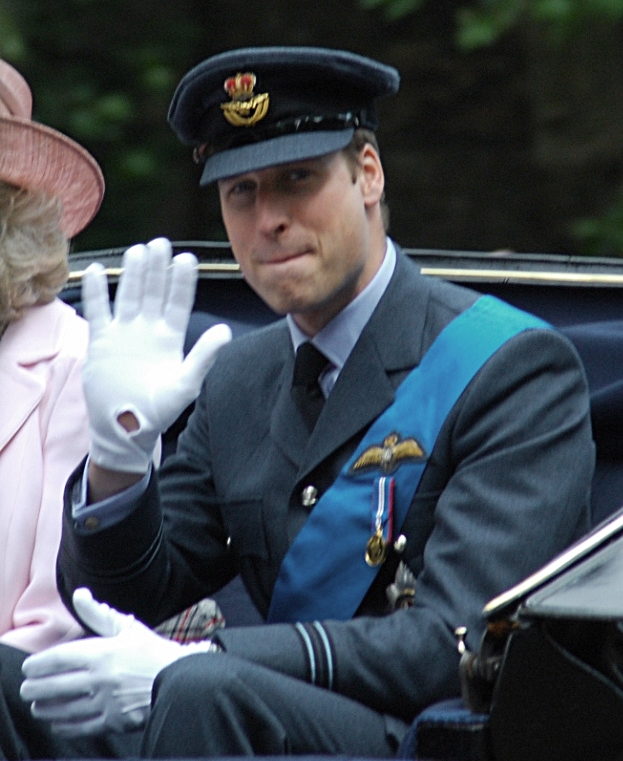
A flight lieutenant is a commissioned officer rank in the Royal Air Force (RAF) and many Commonwealth air forces, sitting above flying officer and below squadron leader. Equivalent in seniority to an army captain, the rank was established when the RAF was formed on 1 April 1918. Flight lieutenants typically command flights of aircraft, lead small aircrew teams, or hold specialist staff roles within a squadron.
What Is the History and Origin of the Flight Lieutenant Rank?
The rank emerged directly from the Royal Flying Corps (RFC) and Royal Naval Air Service (RNAS) traditions when they merged to form the RAF in 1918. The new service deliberately created its own rank structure distinct from the Army and Navy, giving officer grades aviation-flavoured titles. 'Flight lieutenant' reflected the basic tactical unit of the early RAF — the flight, a subdivision of a squadron typically comprising three to six aircraft. During the First World War, a flight was a fundamental combat grouping, so its commander's title became institutionalised. The rank was retained through the interwar years, proved essential during the Battle of Britain in 1940 — when flight lieutenants led individual flights of Spitfires and Hurricanes — and has remained unchanged to the present day. Commonwealth nations including Australia (RAAF), Canada (RCAF, until 1968 and again post-1982), New Zealand (RNZAF), India, and Pakistan adopted identical or near-identical rank structures, spreading the title across the globe.
What Are the Responsibilities of a Flight Lieutenant?
In the modern RAF, a flight lieutenant is a mid-grade officer, typically with five to ten years of service. Key responsibilities include commanding a 'flight' of up to 20 personnel, acting as a qualified flying instructor (QFI), serving as a weapons systems officer, or filling a ground-based staff appointment. Many flight lieutenants are experienced front-line aircrew, flying fast jets, helicopters, or multi-engine transport aircraft. On the ground, they may manage training programmes, logistics cells, or intelligence sections. The rank is broadly NATO OF-2, the same grade as an army captain or a naval lieutenant, allowing for clear joint-operations equivalence among allied forces.
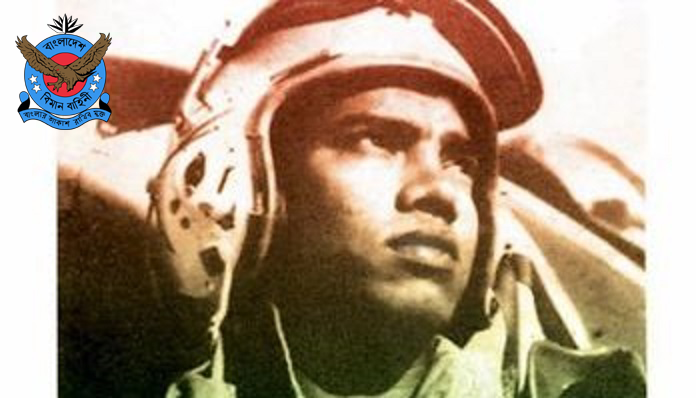
How Is a Flight Lieutenant Identified? Insignia and Uniform
A flight lieutenant is identified by two and a half braid rings (stripes) on the sleeve of the No. 1 Service Dress uniform, or equivalent rank slides on working dress. The half ring between the two full rings is the visual shorthand that distinguishes the rank from a flying officer (two rings) or a squadron leader (three rings). On the shoulder rank slide used in everyday service dress, the same pattern is reproduced in black braid on a blue-grey background. Mess dress retains the traditional sleeve rings. In the RAAF and RNZAF the identical braid configuration is used, while the Indian Air Force uses the same rings with its own uniform colouring.
| Air Force | Equivalent Rank Name | NATO Grade | Army Equivalent |
|---|---|---|---|
| Royal Air Force (UK) | Flight Lieutenant | OF-2 | Captain |
| Royal Australian Air Force | Flight Lieutenant | OF-2 | Captain |
| Royal New Zealand Air Force | Flight Lieutenant | OF-2 | Captain |
| Indian Air Force | Flight Lieutenant | OF-2 | Captain |
| Pakistan Air Force | Flight Lieutenant | OF-2 | Captain |
| Royal Canadian Air Force | Captain (Air) / Flight Lieutenant* | OF-2 | Captain |