
Western Armenian (Western Armenian: Արեւմտահայերէն, romanized: Arevmdahayeren [ɑɾɛvmədɑhɑjɛˈɾɛn]) is one of the two standardized forms of Modern Armenian, the other being Eastern Armenian. It is based mainly on the Istanbul Armenian dialect, as opposed to Eastern Armenian, which is mainly based on the Yerevan Armenian dialect.
Until the early 20th century, various Western Armenian dialects were spoken in the Ottoman Empire, predominantly in the historically Armenian populated regions of Western Armenia. The dialectal varieties of Western Armenian currently in use include Homshetsi, spoken by the Hemshin people; the dialects of Armenians in Kessab, Latakia and Jisr al-Shughur in Syria, Anjar in Lebanon, and Istanbul and Vakıflı, in Turkey (part of the "Sueidia" dialect). The Sasun and Mush dialects are also spoken in modern-day Armenian villages such as Bazmaberd and Sasnashen. The Cilician dialect is also spoken in Cyprus, where it is taught in Armenian schools (Nareg), and is the first language of about 3,000 people of Armenian descent.
Forms of the Karin dialect of Western Armenian are spoken by several hundred thousand people in Northern Armenia, mostly in Gyumri, Artik, Akhuryan, and around 130 villages in the Shirak province, and by Armenians in Samtskhe–Javakheti province of Georgia (Akhalkalaki, Akhaltsikhe).

A mostly diasporic language and one that is not an official language of any state, Western Armenian faces extinction as its native speakers lose fluency in Western Armenian amid pressures to assimilate into their host countries. According to Ethnologue, there are 1.58 million native speakers of Western Armenian, primarily in Turkey, Armenia, Georgia, Lebanon, and Iraq. The language is classified as 6b (i.e., threatened, with interruptions in intergenerational transmission).
Classification
Western Armenian is an Indo-European language belonging to the Armenic branch of the family, alongside Eastern and Classical Armenian. According to Glottolog, Antioch, Artial, Asia Minor, Bolu, Hamshenic, Cilicia, Mush-Tigranakert, Stanoz, Vanic and Yozgat are the main dialects of Western Armenian.
Speakers
Western Armenian is spoken by Armenians of most of Southeast Europe and West Asia except for Iran, and Rostov-on-Don in Russia. It is a moribund language spoken by only a small percentage of Armenians in Turkey (especially in Istanbul) as a first language, with 18 percent among the community in general and 8 percent among younger people. There are notable diaspora L2 Western Armenian speakers in Lebanon (Beirut), Syria (Aleppo, Damascus), California (Fresno, Los Angeles), and France (Marseilles).
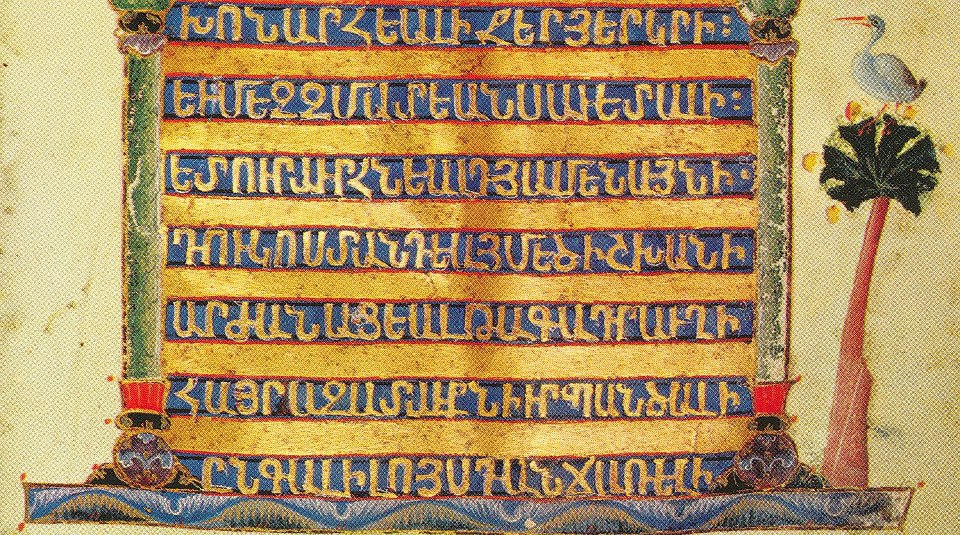
Western Armenian used to be the dominant Armenian variety, but as a result of the Armenian genocide, the speakers of Western Armenian were mostly murdered or exiled. Those who fled to Eastern Armenia now speak either Eastern Armenian or have a diglossic situation between Western Armenian dialects in informal usage and an Eastern Armenian standard. The only Western Armenian dialect still spoken in Western Armenia is the Homshetsi dialect, since the Hemshin peoples, who were Muslim converts, did not fall victim to the Armenian genocide.
Western Armenian isn't just predominant for Armenians in West Asia, the Armenians living in Southeastern Europe/Balkans, mostly Bulgaria, Romania, Greece, and Turkey (Istanbul) are Western Armenian speakers, who immigrated of the Armenian Genocide. Historically there was presence of Western Armenians (Cilicians) in Moldova.
On 21 February 2009, International Mother Language Day, a new edition of the Atlas of the World's Languages in Danger was released by UNESCO in which the Western Armenian language in Turkey was defined as a definitely endangered language.
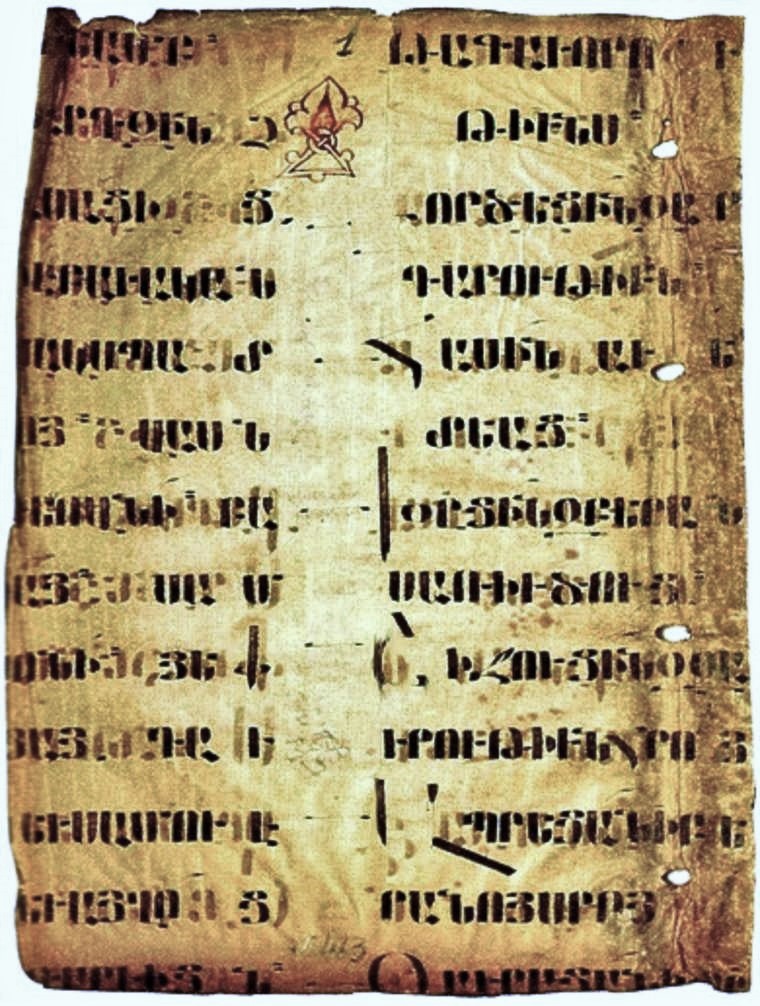
Modern-day speakers
In modern-day Armenia, the city of Gyumri took host to large numbers of Armenian refugees fleeing the Ottoman Empire from the Armenian Genocide. Many of these people spoke the Karin dialect of Armenian, which is spoken in Gyumri but overtime many Eastern Armenian and Russian words have been borrowed into the dialect. There was also a wave of Armenians coming from the rest of West Asia who were Western Armenian, who moved to the Soviet Union, mostly in Soviet Armenia. Many have assimilated into the Eastern Armenian dialect.
Endangerment and controversy
With Western Armenian being declared an endangered language, there has been recent pushback on reviving the language in Los Angeles, which is home to the largest concentration of Western Armenians.
Shushan Karapetian, in her evaluation of both the Eastern and Western dialects of Armenian, concludes that heritage languages, in the face of an English dominant society, rapidly die out within no more than 2 generations, calling America a "linguistic graveyard." In US census data, the percentage of people of Armenian ancestry who speak Western Armenian at home has rapidly declined, down from 25% in 1980 to 16% in 2000.
Phonology
Vowels
Monophthongs
Western Armenian has seven monophthongs.
⟨իւ⟩ /ʏ/ is sometimes realized as /ju/ in nonstandard speech. The cluster թիւն /tʏn/ also shows phonetic variation, even in formal speech, with pronunciations ranging from /t͡ʃ(j)un/ and /tjun/ to /t͡ʃʏn/ and /tʏn/.
Diphthongs
Western Armenian has nine vowel sequences in which two vowels appear together in the orthography but belong to the same syllable, forming diphthongs.
The letter ⟨ե⟩ frequently participates in diphthongs, representing sounds such as /jɑ/ and /jo/. When word-initial, ⟨ե⟩ alone denotes /jɛ/. The letter ⟨յ⟩ functions as a postvocalic glide, marking /j/ following vowels.
The cluster ⟨իյ⟩ /ij/ (e.g. in իյնալ /ijˈnɑl/) has generally merged with ⟨ի⟩ /i/ through glide loss, resulting in a phonemic merger of /ij/ with /i/.
In some cases, vowel sequences span syllable or morpheme boundaries rather than forming true diphthongs; in those environments, glide formation (yod insertion) is expected.
Consonants
This is the Western Armenian Consonantal System using letters from the International Phonetic Alphabet (IPA), followed by the corresponding Armenian letter in brackets.
The /f/ in Armenian is rare and exclusively used in non-native words; the letter "ֆ" was added to the alphabet much later. The /w/ glide is not used except for foreign proper nouns, like Washington (by utilizing the "u" vowel, Armenian "ու").
Phonological differences with Classical Armenian
Stop and Affricate System
The primary phonological difference between Western Armenian and Classical Armenian lies in the stop and affricate system.
Classical Armenian distinguished three series of stops and affricates: voiced, voiceless unaspirated (plain), and voiceless aspirated. Western Armenian reduced this to a two-way contrast: voiced vs. aspirated. As a result, Classical Armenian's voiced series became aspirated in Western Armenian, while its plain voiceless series became voiced.
In comparison, Eastern Armenian fully preserves this contrast.
Example:
Classical Armenian /d͡ʒur/ "water" (⟨ջուր⟩) became Western Armenian /t͡ʃur/ (⟨ջուր⟩). Words such as [kʰaɾ] "stone" (⟨քար⟩) remain phonetically similar in both stages.
Other phonological differences
Orthography
Western Armenian uses Classical Armenian orthography, also known as Mashdotsian orthography. The Armenian orthography reform (commonly called Abeghian orthography), first introduced in the Armenian Soviet Socialist Republic and used by most Eastern Armenian speakers from Armenia, has not been adopted by Eastern Armenian speakers of Iran and their diaspora or by speakers of Western Armenian, with the exception of periodicals published in Romania and Bulgaria under Communist regimes.
Morphology
Nouns
Armenian lacks grammatical gender, including in pronouns. A feminine suffix -ուհի /uhi/ exists but carries no grammatical effect.
Western Armenian nouns have four grammatical cases: nominative-accusative (subject / direct object), genitive-dative (possession / indirect object), ablative (origin) and instrumental (means). Except for personal pronouns, the nominative and accusative are the same, and the genitive and dative are the same, meaning that nouns have four distinct forms for case.
Nouns in Armenian also decline for number (singular and plural). They are pluralized with the suffixes -եր /ɛr/ or -ներ /nɛr/, which are generally not interchangeable and follow predictable attachment patterns. Two other plural suffixes, -ք /k/ and -ց /t͡s/, inherited from Classical Armenian, both survive in a small set of nouns. For example, տղայ /dəˈʁɑ/ "boy" forms the plural տղաք /dəˈʁɑk/ "boys," and տիկին /diˈgin/ "madam" forms տիկնա(ն)ց /diˈgna(n)t͡s/ "madams." Such nouns may follow regular pluralization.
Declension in Armenian is based on how the genitive is formed. There are several declensions, the first three (genitive in i, u, and a respectively) being the most common. The genitive in i, however, is the most common, while other forms are in gradual decline and are being replaced by the i-form, which has virtually attained the status of a regular form. The plural is consistent across almost all declensions.
* Extremely rare.
Which case the direct object takes is split based on animacy (a phenomenon more generally known as differential object marking). Inanimate nouns generally take the nominative-accusative, while animate nouns generally take the genetive-dative.
Ես խնձորը կերայ /ˈjɛs χənˈt͡sorə gɛˈrɑ/ – "I ate the apple (Nom-Acc)."
Ես մարդուն տեսայ /ˈjɛs mɑrˈtun dɛˈsɑ/ – "I saw the man (Gen-Dat)."
Other rare declensional forms are also found, though they have almost completely fallen out of use.
Articles
Indefinite Article
The indefinite article in Western Armenian is մը /mə/, and it follows the noun:
Աթոռ մը /ɑˈtor mə/ – "a chair" (Nom. sg.)
Աթոռի մը /ɑˈtori mə/ – "of a chair" (Gen. sg.)
When followed by ալ ("also, too") or by the present/imperfect forms of եմ ("to be"), the article takes the form մըն /mən/:
Գիրք մը /ˈkirk mə/ – "a book"
Ասիկա գիրք մըն է /ɑsiga ˈkirk mən ɛ/ – "This is a book."
Գիրք մըն ալ /ˈkirk mən ˈɑl/– "A book as well."
Definite Article
The definite article is a suffix attached directly to the noun.