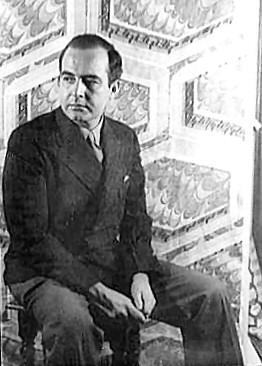
Samuel Osmond Barber II was an American composer, pianist, conductor, baritone, and music educator, and one of the most celebrated composers of the mid-20th century. Principally influenced by nine years' composition studies with Rosario Scalero at the Curtis Institute and more than 25 years' study with his uncle, the composer Sidney Homer, Barber's music usually eschewed the experimental trends of musical modernism in favor of traditional 19th-century harmonic language and formal structure embracing lyricism and emotional expression. However, he adopted elements of modernism after 1940 in some of his compositions, such as an increased use of dissonance and chromaticism in the Cello Concerto (1945) and Medea's Dance of Vengeance (1955); and the use of tonal ambiguity and a narrow use of serialism in his Piano Sonata (1949), Prayers of Kierkegaard (1954), and Nocturne (1959).
Key Facts
| Subject | Samuel Barber |
| Category | American composer (1910–1981) |
| Reading time | 1 min · Advanced |
| Key date | 1940 |
People Mentioned
Reading level
Audio Summary
Played with your browser's voice. Studio-quality audio can be added with a text-to-speech service.
Ask about this article
📝 Quick Quiz1 / 1
What is "Samuel Barber" primarily known for?
Vocix Daily — In Your Inbox
Top stories, deep-dive articles, and "On This Day" history — one crisp digest delivered every morning.
Sources & references
Reference material for this entry is drawn from the open encyclopedic record, including Wikipedia , available under the CC BY-SA 4.0 license. Images are credited individually beside each photo.