
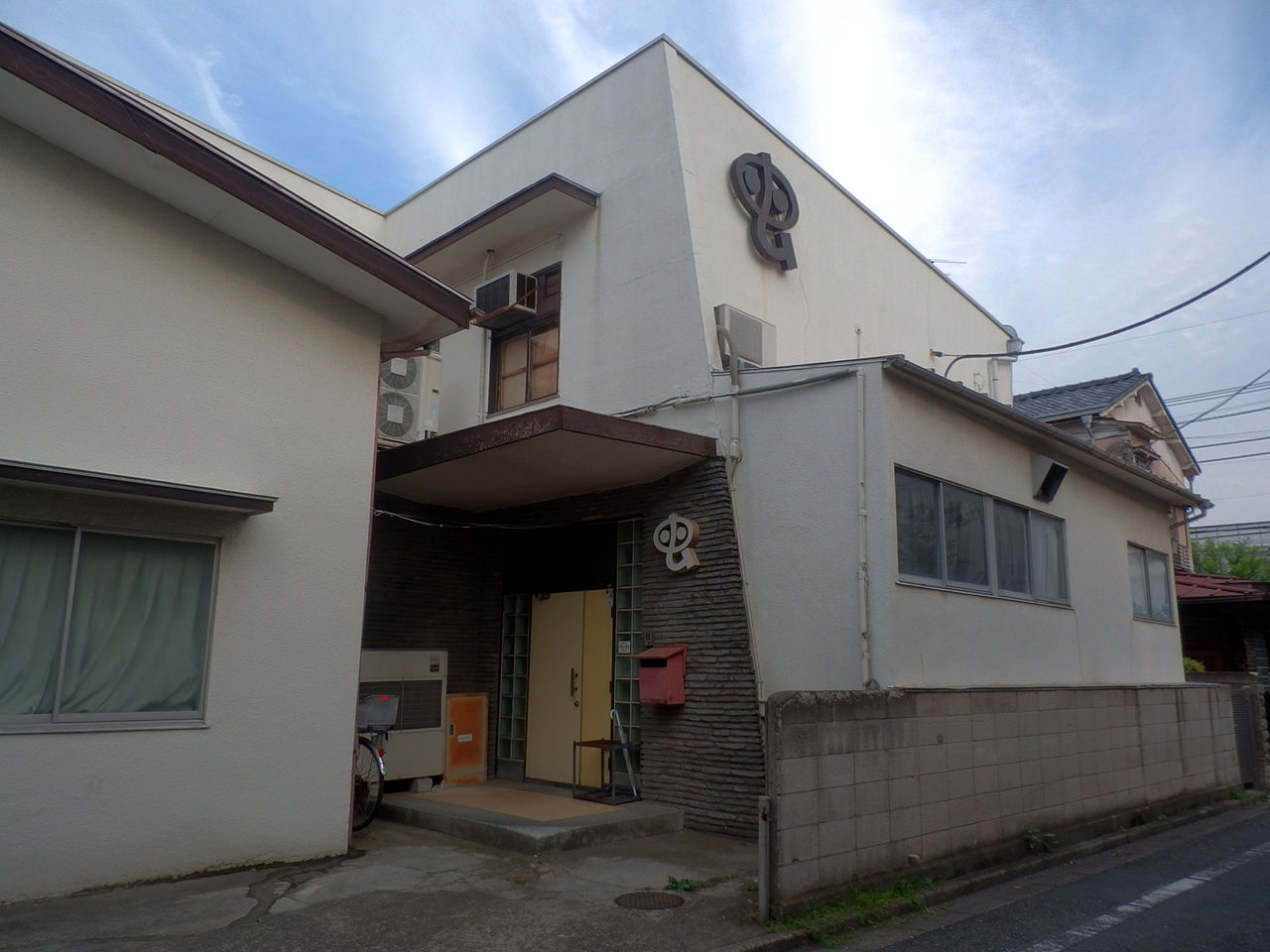
Mushi Production (虫プロダクション, Mushi Purodakushon; "Bug Production") or Mushi Pro for short, is a Japanese animation studio headquartered in Fujimidai, Nerima, Tokyo, Japan. It previously had a headquarters elsewhere in Nerima.
The studio was headed by manga artist Osamu Tezuka. Tezuka started it as a rivalry with Toei Animation, his former employer, after Tezuka's contract with Toei expired in 1961. The studio pioneered TV animation in Japan, and was responsible for many successful anime television series, such as Astro Boy, Gokū no Daibōken, Princess Knight, Kimba the White Lion, Dororo and Ashita no Joe, as well as more adult-oriented feature films such as A Thousand and One Nights, Cleopatra (the first Japanese X-rated animated film) and Belladonna of Sadness.
In addition to doing their anime productions, Mushi was best known for its overseas work on five traditionally animated TV projects from Arthur Rankin, Jr. and Jules Bass' Videocraft International (now Rankin/Bass Productions) in New York, New York, including the Christmas special Frosty the Snowman, with the production artwork being done by Paul Coker, Jr., along with the animation supervision by Yusaku "Steve" Nakagawa.
Morisawa argues that Tezuka "proposed an unrealistically suppressed production budget... in an attempt to outbid his competitors", a budget that contributed to the Studio's (and industry at the time) low profitability. Mushi, plagued by financial difficulties, declared bankruptcy in 1973 and its assets were divided. Tezuka had already left the company by then, having stepped down as acting director in 1968 and formed a new animation studio, Tezuka Productions (which made such works as Marvelous Melmo and Unico). The company was later reestablished on November 26, 1977, and has continued to operate as "legacy company".
The name "Mushi" means "insect" in Japanese, which is significant because Tezuka had a deep affection for insects, particularly since he was a fan of entomology from a young age. This passion is reflected in his pen name, "Osamu Tezuka," where "Tezuka" is derived from the word for "firefly" in Japanese.
Productions
Original (1962–1973)
(based on the works of Osamu Tezuka)

Films
Tales of a Street Corner (November 5, 1962) - experimental film
Male (November 5, 1962) - experimental film
Memory (September 21, 1964) - experimental film
Mermaid (September 21, 1964) - experimental film
Mighty Atom, the Brave in Space (July 26, 1964)
Cigarettes and Ashes (October 1, 1965) - experimental film
The Drop (October 1, 1965) - experimental film
Jungle Emperor Leo Movie (July 31, 1966)
Pictures at an Exhibition (November 11, 1966) - experimental film
Genesis (October 1, 1968) - experimental film
Television series
Tetsuwan Atomu (Astro Boy) (January 1, 1963 – December 31, 1966)
Ginga Shōnen Tai (Galaxy Boy Troop) (April 7, 1963 – April 1, 1965)
Wandā Surī (The Amazing 3) (June 6, 1965 – June 27, 1966)
Janguru Taitei (Kimba the White Lion) (October 6, 1965 – September 28, 1966)
Shin Janguru Taitei: Susume Reo! (Leo the Lion) (October 5, 1966 – March 29, 1967)
Gokū no Daibōken (Adventures of the Monkey King) (January 7, 1967 – September 30, 1967)
Ribon no Kishi (Princess Knight) (April 2, 1967 – April 7, 1968)
Banpaiya (Vampire) (October 5, 1968 – March 29, 1969)
Dororo (April 6, 1969 – September 28, 1969)
Wansa-kun (Little Wansa) (April 2, 1973 – September 24, 1973)
Television specials
Shin Takarajima (New Treasure Island) (January 3, 1965)
Son Goku ga hajimaru yo! kofudaio no maki (Son Goku Is About to Begin! Volume of the Great Yellow Wind) (June 12, 1966) - Pilot
Ribon no Kishi (Ribbon Knight) (1966; produced in November 1966, unaired) - Pilot
Flying Ben (September 1967) - Pilot
Dororo (January 1968) - Pilot
Gum Gum Punch (April 1968) - Pilot
Zero-Man (June 1968) - Pilot
Norman (July 1968) - Pilot
Space Journey: The First Dream of Wonder-kun (January 2, 1969)
Astro Boy vs. the Giants (Kyojin no Hoshi tai Tetsuwan Atomu) (June 9, 1969, co-production with Tokyo Movie Shinsha and A Production)
Till a City Beneath the Sea is Built (February 2, 1969)
Blue Triton (October 1971) - Pilot
Non-original (1968–present)
(original TV/film productions, or adaptations of other material)
Television series
Wanpaku Tanteidan (February 2, 1968 - September 26, 1968)
Sabu to Ichi Torimono Hikae (October 3, 1968 – September 24, 1969; co-production with Toei Animation and Studio Zero)
Animal 1 (April 1, 1968 – September 30, 1968)
Moomin (October 5, 1969 – December 27, 1970; produced the anime from episode 27 to the final episode, the production from episode 1 to episode 26 was from Tokyo Movie Shinsha)
Ashita no Joe (April 1, 1970 – September 29, 1971; original; second series was created by Tokyo Movie Shinsha)
Andersen Monogatari (January 3, 1971 – December 26, 1971; co-production with Zuiyo Enterprise)
Wandering Sun (April 8, 1971 – September 30, 1971)
Kunimatsu-sama no Otōridai (October 6, 1971 - September 25, 1972)
Wonder Beat Scramble (April 16, 1986 – November 19, 1986) - co-produced with Magic Bus
Films
Animerama (film series)
A Thousand and One Nights (June 14, 1969)
Cleopatra (September 15, 1970) - Next-to-first film to be given the self-applied "X" rating in the United States.
Belladonna of Sadness (June 30, 1973)