Chuknagar massacre (Bengali: চুকনগর গণহত্যা) was a massacre of Bengali Hindus committed by the Pakistan Army and local collaborators during the Bangladesh War of Independence in 1971. The massacre took place on 20 May 1971 at Dumuria in Khulna and it was one of the largest massacres during the war.
According to local estimates, between 10,000 and 12,000 people were killed, though the exact number of persons killed in the massacre is not known. Academic Sarmila Bose, in her controversial book. dismisses claims that 10,000 were killed as "unhelpful", and argues that the reported number of attackers could have shot no more than several hundred people before running out of ammunition. The majority of people killed in the massacre were men, although an unknown number of women and children were murdered as well. She does admit a massacre took place, but the numbers claimed are unhelpful. Salil Tripathi had criticized Bose for taking at face value defensive statements by Pakistan Army officers, but doubting any claims made by Bangladeshis.
Background
Sheikh Mujibur Rahman led Awami League wins the majority of the parliamentary seats in the 1970 Pakistani general election. The results were not accepted by West Pakistan which led to a politicial stalemate. Following widespread unrest, the Pakistan Military launches Operation Searchlight
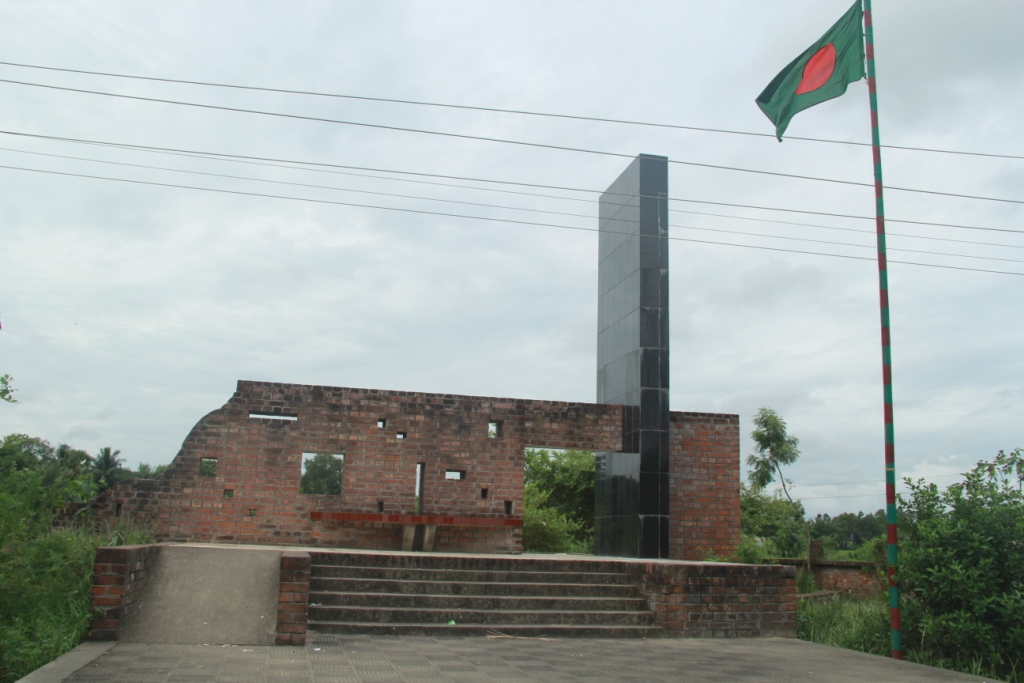
Massacre
Chuknagar is a small town at Dumuria of Khulna, adjacent to the Indian border, and on the banks of the Bhodra River. After the Pakistan military launched a military campaign called Operation Searchlight, many people of the Bengali Hindu community started fleeing from Khulna and Bagerhat. It became a transit point for the refugees fleeing to India. India provided shelter to around 10 million refugees from Bangladesh during the War. The chairman of Atlia Union, Ghulam Hossain, had informed the Pakistan Army that refugees were using Chuknagar to flee to India.